


Denmark, a Scandinavian jewel, captivates not only with its picturesque landscapes but also with its intriguing climate. A nation characterized by its cool, calm demeanor, Denmark experiences a weather pattern that is as multifaceted as its cultural heritage. The interplay between maritime influences and continental conditions culminates in a climate that piques the curiosity of meteorologists and environmentalists alike.
The Danish climate is classified as an oceanic climate, with characteristics that epitomize a temperate zone. The positioning of Denmark, nestled between the North Sea and the Baltic Sea, engenders a climate replete with balmy summers and moderately chilly winters. Here, the ocean exerts its influence profoundly, creating a thermal buffer that tempers extremes.
In general, the summer months, particularly June through August, invite visitors and locals alike to bask in relatively mild temperatures. Daytime highs can reach a comfortable range of 20 to 25 degrees Celsius (68 to 77 degrees Fahrenheit). The prolonged daylight—thanks to Denmark’s northern latitude—offers a splendid opportunity to immerse oneself in outdoor activities. Sunsets linger late into the evening, casting a golden glow over the serene Danish countryside.
Nevertheless, one must not disregard the capricious nature of Danish weather, which can shift with astonishing rapidity. It embodies a seemingly serene façade, but those familiar with it know to expect a sudden drizzle or a brisk wind. The occasional shift from bright and sunny to overcast and rainy instills a certain unpredictability. In fact, the common Danish adage, “There is no bad weather, only bad clothing,” emphasizes the necessity of being prepared for whatever the skies might conjure up.
Autumn graces Denmark with a kaleidoscopic display of colors, as deciduous trees shed their leaves in favor of an earthy palette. From September to November, temperatures gradually decline, transitioning from balmy conditions into the cool embrace of winter. Autumn’s breezes often carry a hint of moisture, as the clouds loom, promising the forthcoming colder days.
Winter envelops Denmark from December to February, heralding a time of remarkable serenity. Though the temperatures can dip to around -1 to 3 degrees Celsius (30 to 37 degrees Fahrenheit), conditions are seldom extreme. The influence of the ocean, which is slow to cool, mitigates the harshness of winter, leading to milder temperatures compared to other regions at similar latitudes. Snowfall is relatively sporadic, yet when it occurs, it paints the landscapes in a mesmerizing white mantle, transforming cities and countryside into enchanting winter wonderlands.
As spring emerges, from March to May, a sense of rejuvenation permeates the air. Blossom-laden trees and vibrant flowers awaken from their slumber, coaxed by the gradually warming sun. Temperatures ascend into the pleasantly crisp range of 6 to 15 degrees Celsius (43 to 59 degrees Fahrenheit). This season of thaw is not just a feast for the visual senses; it is a reminder of nature’s resilience and its cyclical patterns. With the arrival of longer days, Danes often find themselves enamored with outdoor pursuits, such as cycling along scenic routes or enjoying picnics in verdant parks.
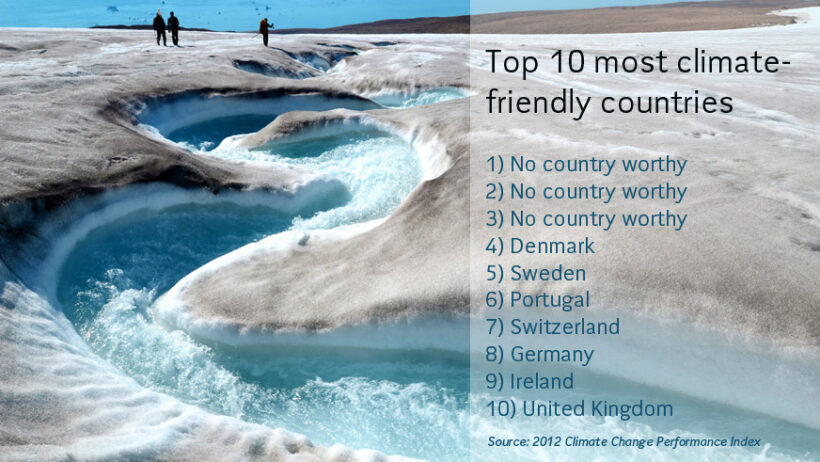
One cannot discuss Denmark’s climate without examining the robust impact of climate change, a phenomenon that has begun to alter historical weather patterns. Denmark has taken substantial strides to mitigate its environmental impact, underscoring its position as a global leader in renewable energy. Strategies have been meticulously crafted to not only reduce carbon emissions but also to adapt to the effects of environmental shifts. The fervor for sustainability is palpable, and the country’s ambitious vision includes a goal to be carbon neutral by 2050.
This collective consciousness regarding climate has fostered a shift in perspective among the citizenry. There is a pervasive understanding that active engagement with the environment is paramount. From embracing cycling as an everyday mode of transport to supporting local agriculture, Danes are increasingly attuned to their ecological footprint and its implications for future generations.
The climate in Denmark challenges individuals to engage with nature thoughtfully, encouraging a lifestyle that harmonizes with its rhythms rather than oppresses them. This perspective fosters not only a respect for the environment but also a sentiment of kinship with one another, as communities unite under common goals of sustainability and preservation.
In conclusion, Denmark’s climate is much more than a simple meteorological summary; it is an intricate tapestry woven from the threads of geography, culture, and the ongoing narrative of climate action. Buffeted by cooler winds one moment and bathed in sunlight the next, Denmark exemplifies the duality of nature’s moods. As this nation moves forward, it embodies the promise that understanding and appreciating its unique climate can inspire a more profound connection to both the environment and the global community’s efforts to combat climate change.