

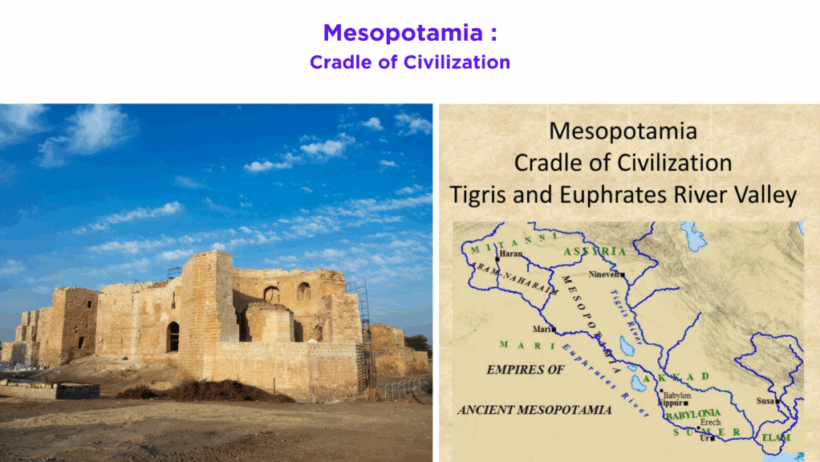

Mesopotamia, often lauded as the “Cradle of Civilization,” boasts a climate that has played a significant role in shaping its historical and cultural narrative. This region, lying between the Tigris and Euphrates rivers, encompasses parts of modern-day Iraq, Syria, and Turkey. The character of the climate in Mesopotamia is primarily arid and semi-arid, with profound implications for its agriculture, settlements, and the socio-political structures that arose over millennia.
The climate of Mesopotamia can be categorized into several distinct zones, each influenced by geographical factors and topography. The northern region, characterized by its mountainous landscape, experiences a more temperate climate. The higher elevation contributes to cooler summers and significant precipitation during the winter months. Meanwhile, the southern part of Mesopotamia is dominantly arid, with scorching summers and mild winters, further emphasizing the climatic dichotomy within this ancient land.
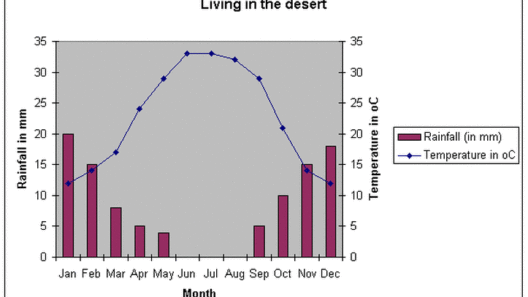
In terms of temperature, Mesopotamia experiences extremes. Summer temperatures can soar above 40 degrees Celsius (104 degrees Fahrenheit), rendering the environment inhospitable during the peak of the day. Conversely, winter nights can be quite chilly, with temperatures occasionally dropping to near freezing, particularly in the northern areas. This variation encourages a remarkable adaptability among the region’s flora and fauna, fostering ecosystems that are resilient yet fragile.
Precipitation patterns in Mesopotamia are another focal point in its climatic assessment. The region averages between 200 and 350 millimeters of rainfall per year, predominantly occurring between November and March. This seasonal availability of water has historically dictated agricultural practices, influencing the types of crops that could be cultivated. The unpredictable nature of rainfall also necessitated the development of irrigation systems—one of the hallmarks of Mesopotamian innovation. Ancient societies developed intricate networks of canals and dikes to manage water resources, signifying a profound understanding of their environment.
As civilizations emerged in ancient Mesopotamia, the relationship between climate and agriculture became crucial. The rich alluvial soil of the Tigris and Euphrates rivers was conducive to crop production. Barley and wheat were staples, supported by the irrigation systems that harnessed the river waters. The ability to cultivate these grains supported the growth of urban centers, allowing societies to transition from nomadic lifestyles to settled agricultural communities.
Environmental stability, however, has been historically tenuous in Mesopotamia. The climate has undergone alterations due to natural cycles and anthropogenic influences. Records indicate periods of severe drought interspersed with flood events, revealing a landscape continually shaped by climatic forces. Such shifts not only impacted agricultural productivity but also compelled societies to adapt their strategies for resource management and settlement patterns.
In contemporary discussions about climate change, Mesopotamia presents a poignant case study. Presently, the region faces numerous environmental challenges exacerbated by global warming. Increased frequency of droughts and altered precipitation patterns threaten traditional agriculture. Additionally, the over-extraction of water resources has led to significant decline in water levels, impacting both the ecosystem and the livelihoods of local populations. Grassroots movements advocating for sustainable water management practices and climate resilience are becoming increasingly prevalent in modern Mesopotamia.
The climatic dynamics of Mesopotamia also hold implications for biodiversity. The region is home to various endemic species, some of which are under threat due to environmental degradation. The alteration of habitats due to shifting climate conditions can lead to declines in biodiversity, undermining the delicate ecosystems that have existed for centuries. Efforts to conservation, though, are emerging to protect these natural treasures, emphasizing the need for a harmonious relationship between development and nature.
Furthermore, the cultural ramifications of climate are significant. Understanding the changing climate provides insights into historical migrations, trade routes, and settlement patterns. For ancient peoples, climate fluctuations could signal famine or plentiful harvests, necessitating swift societal adaptations. Such lessons remain salient today as communities within and around Mesopotamia confront the realities of a changing climate.
Beyond agriculture and biodiversity, Mesopotamia’s climate also influences socio-economic conditions. Communities dependent on agriculture face vulnerabilities due to climate variability. Social structures must adapt to mitigate the risks associated with fluctuating weather, whether through enhanced agricultural techniques or diversification of economic activities. Support from international organizations is vital in helping local communities develop adaptive strategies and ensuring food security amid climate uncertainties.
Mesopotamia’s climate serves as a crucible for understanding the interplay between human civilization and environmental factors. As the region grapples with contemporary climate challenges, the resilience displayed by its ancient inhabitants provides a template for modern societies. From irrigation innovations to adaptive agricultural practices, the lessons learned from Mesopotamia’s tumultuous climatic history can inform contemporary environmental policies. The need for sustainable development strategies has never been greater, underscoring the importance of melding modern science with ancient wisdom to ensure the survival and prosperity of communities in this historically rich region.
Ultimately, as climate patterns continue to change, the future of Mesopotamia remains uncertain. The ongoing dialogue surrounding climate change must prioritize not only environmental sustainability but also the cultural heritage and resilience of its peoples. Mesopotamia’s climatic narrative, a tale of adaptation, struggle, and survival, reflects the enduring connection between culture and climate, a lesson for generations to come.