


Oregon is renowned for its diverse geography, which in turn significantly influences its climatic conditions. The state’s climate can be characteristically described as a tapestry woven from the threads of various microclimates, resulting in a spectrum of weather patterns. This article delves into the distinctive climate features of Oregon, emphasizing the interplay of rain, the prevalence of pine forests, and the enigmatic Pacific mists that cloak much of its coastal regions.
To appreciate the intricacies of Oregon’s climate, one must first understand its geographical layout. The state is divided into several distinct regions, each with its own climate dynamics. The Coast Range embraces the western part of Oregon, introducing a maritime climate characterized by moderate temperatures and significant precipitation. In contrast, the eastern part of the state is dominated by a more arid climate, with harsher winters and warmer summers.
The coastal areas, particularly those situated along the Pacific Ocean, experience frequent rainfall throughout the year. This consistent precipitation is a defining feature of Oregon’s climate, contributing to the lush greenery that the state is famous for. The coastal climate is classified as a temperate maritime climate, where the ocean acts as a regulating force, moderating extreme temperature fluctuations. Rainfall is pervasive, with various regions, especially the north coast around Cannon Beach and the central coast around Florence, receiving upwards of 60 inches of rain annually.
Within this verdant environment, one finds the majestic pine trees that define much of Oregon’s forests. The state is home to a variety of pine species, including Ponderosa pine, Lodgepole pine, and Western white pine. These trees thrive in the region due to the ample moisture provided by the frequent rain while also adapting to the drier conditions prevalent in eastern Oregon. The forests play a critical role in capturing carbon dioxide from the atmosphere, highlighting the importance of maintaining healthy ecosystems in the fight against climate change.
Transitioning to the state’s interior, the climatic conditions evolve dramatically. The Cascade Mountain Range creates a significant barrier that influences weather patterns across the state. West of the Cascades, the climate remains wet and mild, whereas to the east, one enters a semi-arid landscape. Regions like Pendleton and Baker City experience considerable temperature variations, with hot summers reaching upwards of 90 degrees Fahrenheit, and cold winters where temperatures can plummet to below freezing.
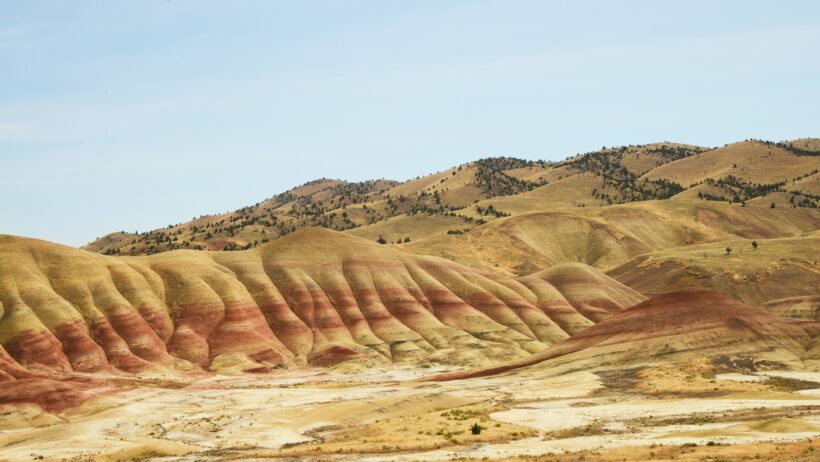
The ecological transformation in eastern Oregon is striking, with expansive sagebrush steppe and high desert terrain replacing the lush coniferous forests. Despite the reduced rainfall, the resilience of the ecosystem is evident through various drought-resistant plant species. The climate here supports agricultural practices that focus on growing crops such as wheat and barley, which thrive in the more arid conditions.
Seasonal variability is another hallmark of Oregon’s climate. Winters can be mild on the coast while embracing a different persona in the mountainous regions where heavy snowfall is common. Over time, the Cascade Mountains have shaped regional climates and influenced local weather patterns, creating a diversity of environments that support different life forms and agricultural practices.
As we turn our attention to the phenomenon of Pacific mists, it becomes evident that fog is an integral element of the coastal climate. This mist arises when warm, moist air from the Pacific Ocean meets the cooler air directly above the coastline. The result is a dense fog that blankets the coastal towns and the lush coastal forests, providing essential moisture to the ecosystem, especially during the dry summer months. This interplay between the ocean and the land fosters a unique environment where the coastal redwoods and other flora flourish.
In contrast, the precipitation pattern changes beyond the coastal regions. Areas that experience rain shadow effects, particularly those situated east of the Cascades, showcase a remarkable diversity in habitats. Here, the interplay of elevation, latitude, and prevailing winds results in a complex network of ecosystems that reflect the environmental adaptability of plants and animals alike.
The climatic variations across Oregon not only shape its landscapes but profoundly impact its communities and agricultural practices. From the bustling urban centers like Portland and Bend to the small coastal towns, residents have adapted to the climatic nuances of their respective regions, often incorporating sustainable practices that reflect a growing awareness of environmental stewardship.
Climate change poses a significant threat to Oregon’s diverse ecosystems and communities. Alterations in precipitation patterns, increased frequency of extreme weather events, and changing seasonal temperatures place strain on everything from water resources to agricultural productivity. Addressing these challenges requires concerted efforts and advocacy to mitigate future impacts and ensure the protection of Oregon’s natural heritage.
In conclusion, the climate in Oregon is a multifaceted subject, informed by geographical diversity, seasonal transitions, and climatic contrasts. This intricate balance of rain, pines, and Pacific mists enriches the state’s natural beauty while underscoring the critical links between climate, ecology, and community. Understanding these themes is essential as Oregonians and the larger global community seek to navigate the complexities of climate change and its implications for the years to come.