


What is the climate in Paris? This seemingly straightforward question lends itself to a profound exploration of the city’s environmental tapestry and the seasonal rhythms that define life in the iconic City of Light. Paris, with its graceful boulevards and historic architecture, displays a temperate oceanic climate (Köppen classification Cfb) characterized by distinct seasons. Each season brings its own nuances to the city’s atmosphere, influencing everything from local behavior to tourism.
Spring: A Rebirth of Nature
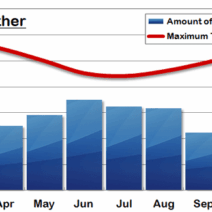
Spring in Paris, spanning from March to May, brings a vibrant resurgence of life. As winter’s chill recedes, cherry blossoms and tulips bloom across the Jardin des Tuileries, and the Seine’s banks become a canvas for picnics and leisurely strolls. Average temperatures gradually incline, starting around 10°C (50°F) in March and soaring to approximately 18°C (64°F) by May. Rainfall is moderate yet unpredictable, as April showers are an adage for a reason.
Residents revel in the crisp air and the lengthening days. The playful question for visitors may be: How can one fully experience Paris in the spring? The challenge here lies in resisting the temptation of well-trodden tourist paths. Opting for lesser-known parks, such as Parc des Buttes-Chaumont, offers a unique perspective on Parisian spring while showcasing the city’s dedication to green spaces.
Moreover, one must not overlook the environmental implications of frequenting parks. The city has been actively working on greening initiatives to combat urban heat and improve air quality. This focus on sustainability invites exploration beyond the traditional tourist experience.
Summer: The Warm Embrace
As spring transitions into summer, from June to August, Paris experiences its warmest months. Average temperatures hover between 18°C (64°F) and 25°C (77°F), with occasional heatwaves pushing the mercury even higher. The city thrives during the summer, packed with outdoor festivals, open-air cinema, and bustling terraces filled with patrons sipping café au lait.
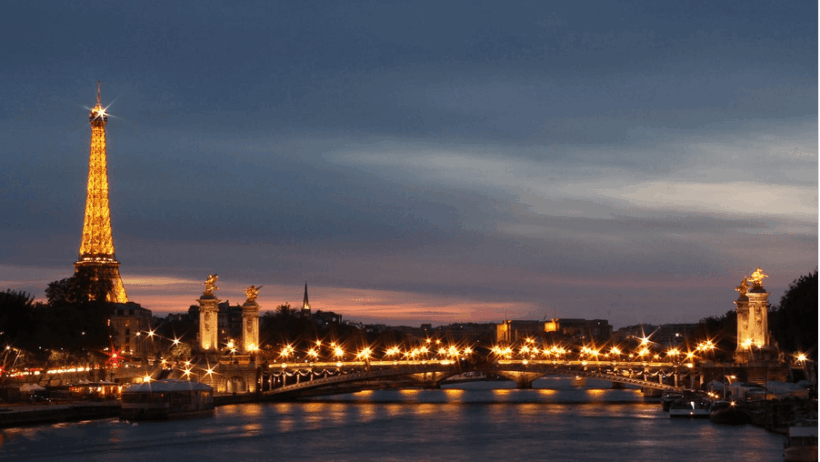
The sunlight bathing iconic landmarks like the Eiffel Tower and Sacré-Cœur creates an enchanting atmosphere. Yet, amidst this beauty, a significant concern arises: urban heat islands. The formidable buildings and asphalt create pockets of elevated temperatures that can starkly affect both the environment and local health.
To mitigate these effects, Paris has implemented a myriad of initiatives focused on thermal regulation, including the introduction of green roofs and increased tree planting efforts. The playful challenge here is to witness the city’s duality – revel in its summer splendor while appreciating the pressing need for sustainable urban living practices.
Autumn: The Palette of Change
Autumn, from September to November, transforms Paris into a breathtaking palette of fiery hues. The average temperatures begin to cool, gradually descending from 20°C (68°F) in September to around 10°C (50°F) by November. This season not only ushers in the beauty of changing leaves but also an increase in rainfall, casting a reflective mood over the city.
Visitors often flock to Montmartre for its panoramic views while sipping hot cider at quaint cafés. The playfulness of autumn in Paris presents a challenge: How can one explore the city’s artistic essence without falling into the clichés? Beneath the surface, Paris becomes a hub for cultural activities like Nuit Blanche, an all-night art event that invites deep engagement with local creativity.
Furthermore, autumn highlights the importance of sustainable practices through events focused on climate change awareness, prompting residents and tourists alike to consider their environmental footprints as they enjoy the seasonal offerings. The dialogue between art and ecology in fall presents an opportunity to reflect on individual actions within a global context.
Winter: A Quiet Elegance
The winter months of December to February cast a serene, almost ethereal quality over Paris. While temperatures can dip as low as 3°C (37°F), the city remains steadfast in its charm. Flurries of snow can transform cobblestone streets into dreamy landscapes, allowing for picturesque scenes around the Canal Saint-Martin and quaint squares.
Though days are shorter, cultural life thrives within cozy spaces – galleries, theaters, and chocolatiers draw locals and tourists indoors. A potential challenge arises: how does one remain environmentally conscious during the splurge of winter festivities? Winter celebrations often lead to increased waste and energy consumption, prompting efforts to reinforce sustainable practices, from eco-friendly decorations to mindful consumption.
Paris emphasizes green initiatives even in winter. The city has launched campaigns encouraging local businesses and residents to adopt eco-conscious practices, such as reducing plastic use and maximizing energy efficiency. Amidst seasonal indulgence, this narrative of sustainability offers a refreshing perspective on caring for the environment during the colder months.
Conclusion: The Climate Conversation
Understanding the climate in Paris extends beyond the meteorological descriptions of seasons. It encapsulates an intricate dance between natural beauty and urban challenges. Each season presents both wonder and reflection, encouraging a dialogue about how to balance enjoyment of one of the world’s most beloved cities with a commitment to sustainability and climate action.
With every season, Parisians and visitors alike engage in a collective responsibility to cherish and protect this vibrant metropolis. The playful questions that arise are both stimulating and important: Can we partake in the city’s offerings while fostering a harmonious relationship with the environment? How can our experiences contribute to a larger narrative of climate consciousness? The answers, through exploration and awareness, manifest in the choices made by individuals and communities, molding the future of Paris.