

When one envisions the Arctic, a landscape dominated by pristine ice and snow likely comes to mind. But beyond this picturesque view lies a realm of complex climatic conditions that govern life in one of the planet’s most fragile ecosystems. Have you ever wondered how such a stark environment can experience a phenomenon like the midnight sun? This captivating aspect of Arctic summers presents both enchantment and a challenge to hinder climate change. Exploring the climatic intricacies of the Arctic unveils a richness that transcends its frigid reputation.
The Arctic climate is primarily characterized by its extreme temperatures and seasonal variations. Winters are long and severe, with temperatures plunging to below -40°C (-40°F) in some areas. In contrast, summers are short and surprisingly mild, with temperatures occasionally reaching above 10°C (50°F). This stark temperature dichotomy results not only from its high latitude but also from the unique geographical and meteorological factors at play.
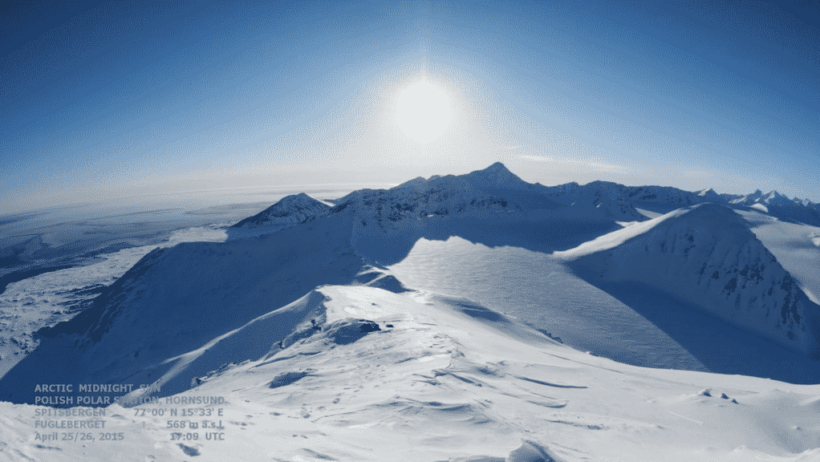
One of the most fascinating phenomena of the Arctic is the midnight sun. During the summer solstice, which occurs around June 21st, certain regions within the Arctic Circle experience continuous daylight for 24 hours, allowing the sun to linger above the horizon. This phenomenon arises due to the tilt of the Earth’s axis, which causes the sun’s rays to travel across the horizon rather than setting. It is during this time that the Arctic landscapes are transformed, bathed in light that reveals stunning vistas of glaciers and tundra.
However, the enchantment of the midnight sun also brings forward a pressing concern: the consequential effects of climate change on this delicate environment. As global temperatures rise, the Arctic is warming at an alarming rate, approximately twice as fast as the rest of the planet. This accelerated warming causes the permafrost—a permanently frozen layer of ground—to thaw, destabilizing ecosystems and releasing greenhouse gases like methane. This feedback loop exacerbates climate change, intensifying the urgency for action.
Additionally, the shifting climate alters traditional seasonal patterns vital to the survival of many species indigenous to the Arctic region. For instance, the hunting seasons for polar bears may become erratic as sea ice diminishes. Polar bears depend on sea ice for hunting seals, their primary food source. As their hunting grounds shrink, their population faces increased vulnerability. This situation poses a grim challenge, not merely for the bears but for all organisms dependent on this unique ecosystem.
The changing climate also influences the migratory patterns of birds and other wildlife. Many species rely on specific climatic conditions to navigate and breed, yet climate change can disrupt these rhythms. For example, warmer temperatures may encourage some birds to arrive earlier than the traditional breeding season, risking their survival due to mismatches in food availability. This intricate web of interdependence illustrates the fragility of Arctic life and the potential cascading effects of a changing climate.
Moreover, the melting ice affects global sea levels, as the influx of freshwater from melting glaciers contributes to rising ocean levels. Coastal communities across the globe may face increased flooding, erosion, and the loss of habitat. In this way, the plight of the Arctic offers a microcosmic view of broader global trends, highlighting our interconnectedness with the climate crisis.
One may find themselves pondering: What can be done to mitigate these detrimental impacts? Raising awareness about the critical state of the Arctic is a significant first step. Education and advocacy can empower communities to engage in climate action, resonate through policy changes, and promote sustainable practices. For instance, supporting renewable energy initiatives can curtail fossil fuel reliance, addressing one of the primary drivers of climate change.
Individuals can also incorporate conscious lifestyle choices, such as reducing waste, adopting sustainable transportation, and supporting eco-friendly products. Each small decision can collectively lead to substantial impacts, demonstrating that collective action surmounts distant and daunting challenges.
Scientific research plays a pivotal role in understanding the Arctic climate. Continuous monitoring of atmospheric conditions, ice thickness, and species behavior helps inform climate models, providing crucial data for predicting future scenarios. Organizations and research institutions must prioritize funding for Arctic studies to further comprehend these complexities and devise effective strategies to combat climate change.
Additionally, international cooperation is essential. The Arctic does not belong to any single nation; therefore, collaborative efforts engaging Arctic nations can foster more substantial, impactful changes. Agreements aimed at protecting this landscape must include indigenous voices, who hold invaluable traditional knowledge and a profound understanding of the ecological systems within the Arctic.
In conclusion, while the Arctic is often perceived as an icy wasteland, it is, in fact, a vital part of the Earth’s climate system. The midnight sun is a remarkable spectacle, yet it also serves as a reminder of the challenges posed by climate change. The stark reality of a warming climate is not just an Arctic issue but a universal crisis that necessitates urgent attention and action. We hold the responsibility to act decisively to protect this unique and fragile environment, ensuring that future generations may someday witness the beauty of the Arctic in all its splendor—under the luminous glow of the midnight sun.