


The Bahamas, an enchanting archipelago situated in the Caribbean, boasts an irresistible climate that captivates visitors and residents alike. With its island breezes and azure skies, the climate in the Bahamas is characterized by a subtropical environment, marked by warmth, sunshine, and occasional rainfall. This combination creates a unique ecosystem that supports a rich array of flora and fauna while simultaneously appealing to the human spirit seeking relaxation and adventure.
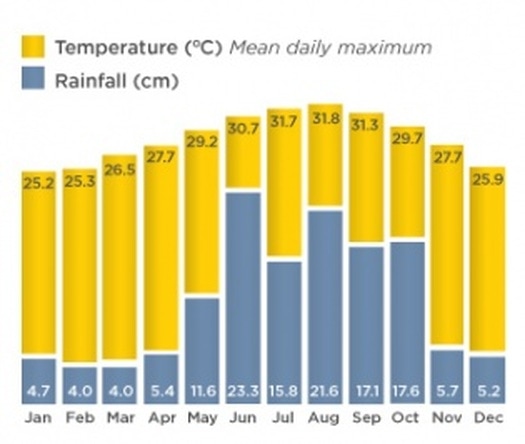
One of the dominant features of Bahamian weather is its mild marine climate. Encompassing about 700 islands and cays, the Bahamas enjoys a relatively stable and temperate climate throughout the year. Average temperatures range from 70°F (21°C) to 90°F (32°C), allowing for a plethora of outdoor activities. The balmy conditions are attributed to the surrounding Atlantic Ocean, which moderates temperature fluctuations. The proximity to water presents a buffer against extreme heat and cold, forming an environment perfect for both locals and tourists.
The seasons in the Bahamas are divided primarily into two: the wet season and the dry season. The wet season typically stretches from May to November, coinciding with hurricane season. During this period, the islands may experience heavy rainfalls and occasional storms, with July and August often being the peak months for precipitation. However, rain showers are usually brief and followed by sunny skies. This phenomenon is often cited as a blessing in disguise; the rainfall nourishes the verdant landscapes, enabling the growth of lush vegetation and contributing to the islands’ tropical allure.
Conversely, the dry season spans from December to April and is considered the best time for tourism. During these months, temperatures are pleasantly cool, particularly in the evenings, creating ideal conditions for sightseeing, water sports, and other outdoor pursuits. The abundance of sunshine during this period attracts countless travelers who seek respite from the harsh winters of other regions. However, the influx of visitors may pose challenges, such as strain on local resources, which necessitates sustainable practices to ensure the islands’ delicate ecosystems remain intact.
In addition to temperatures and rainfall patterns, the Bahamas is influenced by trade winds. These consistent easterly winds are not only responsible for the delightful breezes that sweep across the islands but also play a crucial role in shaping local weather conditions. The winds help moderate humidity levels, providing a comfortable climate for both residents and visitors. Anyone who has visited the Bahamas can attest to the sheer joy of feeling a gentle sea breeze while lounging on the pristine beaches or exploring lush tropical trails.
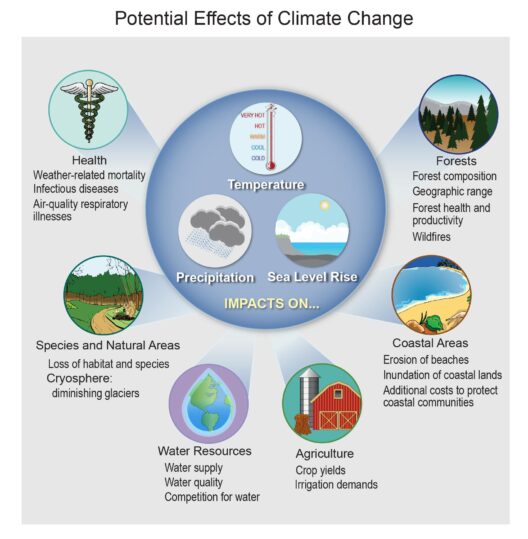
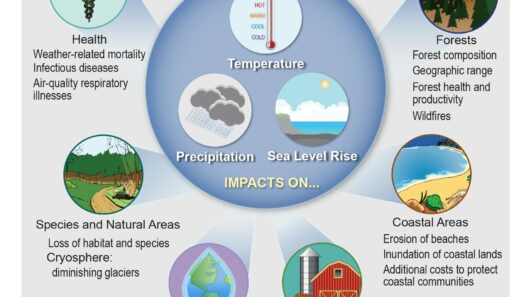
However, the climate in the Bahamas is not without its vulnerabilities. Climate change has increasingly become a pressing concern, with rising sea levels and changing weather patterns likely to impact the archipelago dramatically. The Bahamas is particularly susceptible to the negative effects of climate change due to its geography. Low-lying islands may face significant challenges, such as coastal erosion and the degradation of coral reefs, essential not only for biodiversity but also for tourism and fishing industries. These concerns warrant urgent attention and underscore the necessity for proactive environmental advocacy.
An additional component worth mentioning is the biodiversity encouraged by the Bahamas’ climate. The lush landscapes harbor an impressive variety of species, from vibrant coral reefs teeming with marine life to the intricate ecosystems found on land. This biological wealth is nourished by the prevailing climatic conditions, fostering environment-rich interactions among the flora and fauna. Visitors can marvel at endemic species such as the Abaco Parrot and the Exuma Island Rock Iguana, both of which exemplify nature’s resilience and adaptability intrinsic to the Bahamian environment.
Notably, the marine environment surrounding the Bahamas is also shaped by the subtropical climate. The crystalline waters maintain a warm temperature year-round, facilitating a multitude of water-based activities. Snorkeling, scuba diving, and sailing are just a few ways in which residents and visitors alike can immerse themselves in the tropical splendor. The vibrant coral reefs, which thrive in these warm waters, are vital ecosystems that provide habitats for diverse aquatic species and serve as a buffer against wave action and coastal erosion.
Despite the undeniable beauty of the Bahamian climate, it is essential to recognize the responsibility borne by those who enjoy it. Sustainable practices and environmental stewardship are crucial to preserving this unique climate and its associated ecosystems. Advocacy for climate resilience, conservation, and education will empower future generations to safeguard the islands’ cherished environment while also highlighting the interconnectedness of global climate systems. As noted, the Bahamian experience offers not only a delightful escape but also an opportunity to foster a deeper understanding of our planet’s fragility and the importance of collective action.
In conclusion, the climate of the Bahamas stands as a dynamic interplay of natural elements, presenting an exceptional environment that bolsters both ecological diversity and human enjoyment. By embracing the island breezes and blue skies, individuals are reminded of the delicate balance and responsibilities that come with inhabiting such a paradise. As the world grapples with climate change, acknowledging and safeguarding the unique climate of the Bahamas will ensure its charm and beauty endure for years to come.