


The New England Colonies, comprising Massachusetts, Connecticut, Rhode Island, and New Hampshire, boast a climate rich in diversity yet profoundly influenced by geography and seasonal changes. As we traverse through historical weather phenomena and explore the climatic nuances that have defined this region, one might wonder: How has the climate shaped the socio-economic fabric of these colonies? This exploration raises an intriguing challenge: understanding how historical weather patterns have facilitated or hampered the development of New England’s communities.
To set the stage, it is vital to comprehend the overarching characteristics of New England’s climate. Situated in the northeastern United States, the region experiences a humid continental climate. This classification is characterized by distinct seasonal variations—impressive winters, warm summers, and moderate transitions during spring and fall. The historical evolution of weather patterns has played a paramount role in shaping the agriculture, culture, and economy of New England.
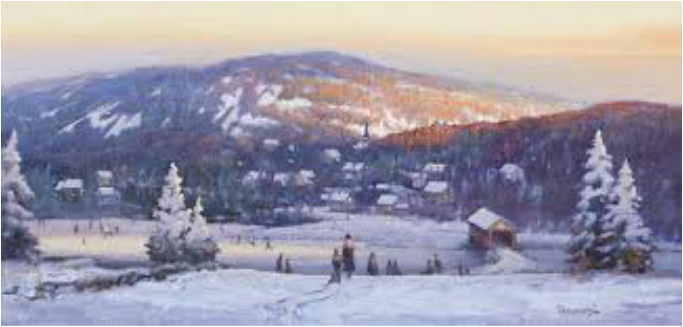
Snow-laden winters are a hallmark of this region, often commencing as early as November and persisting into March or even April. The average snowfall can range dramatically, with mountainous areas such as northern New Hampshire receiving upwards of 100 inches annually. Historical records from colonial times indicate that winters were not only harsh but also restrictive, influencing the settlement patterns of early colonists. Farming was virtually unfeasible during the winter months, leading communities to engage in various forms of trade and resource sharing to survive.
Upon the arrival of spring, a transformation occurs. The thawing of snow does not merely signify the end of winter; it heralds a period of rejuvenation and hope. The burgeoning of flora coincides closely with the agricultural calendar. Colonists would commence planting crops around late April to early May, with the first signs of greenery representing both sustenance and economic opportunity. Thus, one can see that climate not only dictated agricultural practices but also the rhythm and lifestyle of inhabitants.
The summer months present an appealing contrast to the frigid winter—warmth envelopes the region, with temperatures frequently soaring into the 80s and 90s Fahrenheit. However, this season is not devoid of challenges. The risk of droughts and unexpected storms looms large. Hurricanes, though infrequent, have historically wreaked havoc along the coast, leading to destruction and loss. These events serve as stark reminders of nature’s unpredictability and its capacity to disrupt lives and livelihoods.
The fall in New England is often celebrated for its aesthetic splendor, characterized by vibrant foliage and a mild climate. Temperatures begin to cool, reaching delightfully crisp levels, which serve as a precursor to the upcoming winter. This period, however, is not without variability; the region can experience heavy rainfall, affecting the harvest of crops. Weather patterns during this season can have considerable implications for communities relying on agriculture as a primary economic driver, adding yet another layer to the complexity of life in the colonies.
Furthermore, an analysis of the New England climate through the ages reveals broader implications—how past weather conditions have influenced major historical events. For instance, the harsh winters of 1780 and 1816, known as “The Year Without a Summer,” had significant repercussions on agricultural outputs. Such climatic anomalies prompted shifts in farming practices, leading to innovations such as crop rotation and diversification. The severity of weather events not only molded the agricultural landscape but also catalyzed discussions around sustainability—an issue that remains crucial today.
As we delve further into climate-related challenges faced by the New England Colonies, one must consider the role of indigenous practices that predated European settlement. Native American tribes had adapted to local climatic conditions, employing methods of land management that sustained ecosystems. Understanding these historical practices may provide insights into modern-day climate adaptation strategies—perhaps presenting a challenge to rethink our approaches to sustainability.
Considering contemporary ramifications, climate change has begun to exert its influence on New England’s weather patterns. While the colonists faced their own climatic adversities, today’s inhabitants grapple with rising temperatures, increased precipitation patterns, and the threats posed by sea-level rise on coastal communities. The region’s historical reliance on fishing and maritime industries faces unprecedented challenges due to ocean temperature fluctuations and acidification. This underscores the necessity of understanding historical climate impacts in addressing current and future climatic crises.
Moreover, the interplay between climate change and socioeconomic factors necessitates an examination of social equity. As communities evolve, the ability to adapt to climate-induced changes varies widely among populations. Historical weather patterns have often exacerbated inequalities, as those with limited resources or access to technology may struggle to withstand extreme weather events. Engaging with historical data offers a perspective that encourages proactive measures to foster resilience across all sectors of society.
In conclusion, the climate of the New England Colonies has been more than a backdrop; it has been intricately woven into the narrative of survival, innovation, and transformation. Seasonal changes have dictated the rhythm of life and commerce, while historical weather events have influenced agricultural practices and economic structure. As we face modern climate challenges, reflecting on the lessons learned from this region’s past may offer pathways toward developing sustainable practices that honor both history and future generations. Will we heed the call of the past to forge a resilient future, or will we allow history to repeat itself in the face of climate adversity?