


The southwestern United States is an expanse of sublime contrasts, where the undulating contours of arid terrain meet expansive skies, punctuated by striking flora like the iconic saguaro cactus. The climate of this region is predominantly arid, characterized by scorching summers, mild winters, and an ephemeral monsoon season that changes the arid landscape into a tapestry of colors and life. Understanding the intricate dynamics of the climate here invites a deeper appreciation for its ecosystems and the environmental challenges they face.
In the context of global climate change, the observable climatic phenomena in the Southwest take on new urgency. Rising temperatures, prolonged droughts, and shifting precipitation patterns pose significant threats to the delicate balance of these ecosystems. The profound question arises: how will these shifts in climate affect the native flora and fauna, including the majestic saguaro, which symbolizes resilience amidst the heat?
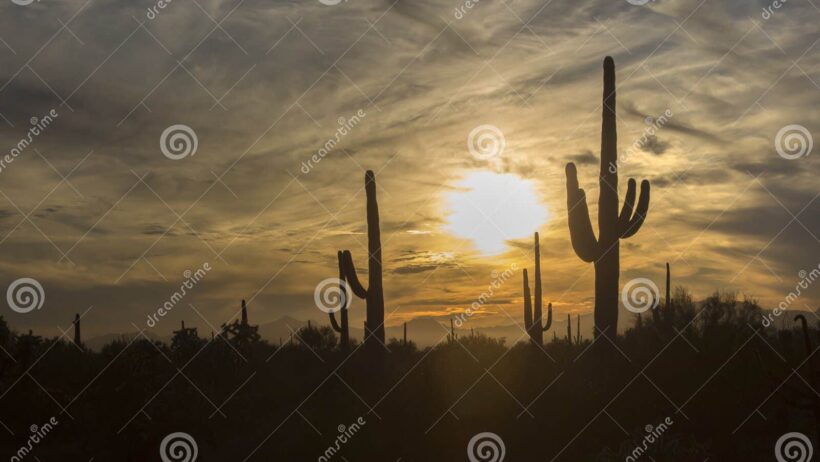
To dissect the climate patterns that govern the Southwest, it is essential to delineate its two predominant seasons. The sweltering summer months usher in relentless heat, with daytime temperatures often surging past the triple-digit mark, while nights offer marginal relief with cooler but still warm conditions. The intense sunlight engenders clear, crisp skies, a profound azure backdrop that ignites the colors of both the desert landscape and its inhabitants. As the sun sets, the vibrant hues of orange and pink dance over the horizon, casting long, dramatic shadows shaped by the towering silhouettes of saguaro cacti.
Conversely, the winter months bestow upon the region a stark yet refreshing transformation. While daytime temperatures remain mild—averaging in the 60s to 70s degrees Fahrenheit—nighttime can plunge into the chilly realm of the 30s and 40s, bringing frost to the higher elevations. The rare appearance of snow in some areas offers a brief, magical contrast to the otherwise parched environment.
Beyond seasonal variations, one cannot overlook the distinct phenomenon of the Southwest’s monsoon season, which typically occurs between July and September. This critical period is marked by sudden and dramatic thunderstorms that infuse the landscape with rejuvenating moisture. These storms, while often torrential and short-lived, are vital for the survival of both endemic species and the local agricultural practices reliant on intermittent rainfall. It is in these fleeting moments of precipitation that the desert floor bursts into life, as dormant seeds awaken, transforming the once-barren vistas into luscious, vibrant displays of blooming wildflowers.
However, the cadence of nature is increasingly disrupted by climate change, which amplifies the severity and unpredictability of weather events. Prolonged droughts have become the new normal, diminishing both the quality and quantity of water resources. This has far-reaching consequences for the saguaro cacti, which require substantial hydration to thrive. As their numbers dwindle, so too does their role as a keystone species in the desert ecosystem, which provides habitat and sustenance for myriad creatures.
The interplay between climate and ecosystems is a delicate web. For instance, the iconic saguaro, often depicted as the epitome of desert life, relies heavily on the cyclical nature of rainfall and temperature regulation. Its unique adaptations, such as a ribbed structure that expands to accommodate water intake, are effective only under normal climatic conditions. As the climate oscillates toward extremes, we must ask ourselves: will the saguaros, symbols of steadfastness and endurance, be able to withstand the onslaught of a warming planet?
Another noteworthy aspect of the Southwest climate is its regional variability. Elevation plays a cardinal role in defining climatic zones within the Southwest. Lower desert regions, such as those surrounding Phoenix and Tucson, are characterized by extreme heat and sparse vegetation. In contrast, areas at higher elevations, such as Flagstaff, experience a more temperate climate accompanied by pine forests and diverse wildlife. Such diversity reveals the complex interconnections between geography and climate, each influencing the distinct ecosystems that emerge in this enchanting region.
The Southwest also faces the existential threat of increased wildfires, exacerbated by rising temperatures and prolonged dry spells. Where once the land was shaped by natural, regular fire cycles, an urchin of haphazard, destructive wildfires disrupts ecosystems, altering habitats and endangering species. This alarming trend magnifies the importance of proactive conservation efforts and habitat management to safeguard the rich biodiversity that the Southwest supports.
As we grapple with the implications of climate change, it is essential not just to understand these shifts but also to engage with them. An adaptive mindset is crucial for fostering resilience within both communities and natural ecosystems. By endorsing sustainable practices and conservation efforts, we can mitigate the impacts of climate variability and contribute to the preservation of the Southwest’s unique character.
In conclusion, the climate of the Southwest is a rich tapestry woven from heat, shadow, and life. The striking saguaro cacti, resilient by nature, stand as guardians of this remarkable landscape. Yet, their story intertwines with larger environmental narratives—narratives that underscore the urgency of addressing climate change. A paradigm shift in our perspectives and actions is imperative for the survival of these ecosystems. The desert is calling for stewardship, compelling us to contribute to its preservation, not just for ourselves, but for generations yet to come. Understanding—and acting upon—this delicate climatic balance is critical for ensuring that the Southwest continues to thrive amid adversity.