

The United States is a vast tapestry of climate zones, each contributing its unique narrative to the nation’s overall weather landscape. From the frigid Arctic tundras of Alaska to the balmy shores of Florida, America’s climatic diversity reflects an intricate interplay of geographic, atmospheric, and oceanic conditions. Have you ever pondered how one country can experience such a kaleidoscope of weather? This intriguing variation invites us to explore the multifaceted climate of the United States, challenging our perceptions and encouraging us to consider how these regional distinctions affect not only the environment but also human life.
To embark on this exploration, we must first categorize the principal climate zones found across the United States. Broadly speaking, the climatic zones can be classified into five distinct categories: tropical, arid, temperate, continental, and polar. Each zone is characterized by its specific temperature ranges, precipitation patterns, and ecological consequences. Understanding these classifications creates a foundation for comprehending the country’s complex climate dynamics.
The tropical climate primarily makes its presence known in the southernmost region of Florida, characterized by warm temperatures year-round and abundant rainfall. The typical tropical climate is marked by high humidity and distinct wet and dry seasons. How does this impact the local flora and fauna, and what adaptations have evolved to thrive in such an environment? The lush Everglades serve as an astounding example of biodiversity that flourishes in these conditions, underscoring the delicate ecosystems that rely on specific climate norms.
Next, let us journey westward to the arid climate zones that dominate vast expanses of the southwestern United States. Places like Arizona and Nevada are emblematic of this climate, where annual rainfall is sparse, and temperatures escalate during summer months. With a landscape primarily dominated by deserts, the challenges of water scarcity loom large. The delicate balance between human activity and the surrounding environment raises pressing questions: how do we sustainably manage our water resources, and what strategies can we implement to protect these fragile ecosystems from exploitation?
Transitioning to the temperate climate zone, we find ourselves in the heart of the U.S., encompassing states like California, Texas, and Illinois. This region is known for its moderate weather patterns, with distinct seasons that alternate between hot summers and cold winters. The temperate climate not only supports an array of agricultural endeavors but also plays a significant role in the country’s economic output. With climate change becoming an increasingly pressing concern, how might shifting weather patterns impact crop yields and food security? The ripple effects of climate change pose a formidable challenge as farmers adapt to new realities.
Traveling further north, we encounter the continental climate, prevalent in the northern states such as North Dakota and Maine. This climate is typified by more extreme seasonal variations, with hot summers and frigid winters. The heavy snowfall experienced in regions like the Upper Midwest demands that local communities prepare for harsh winter conditions. Here, one must consider the implications: how do these climatic extremes influence energy consumption, infrastructure, and public safety? The preparation for such weather necessitates innovation in engineering and design to enhance resilience against harsh conditions.
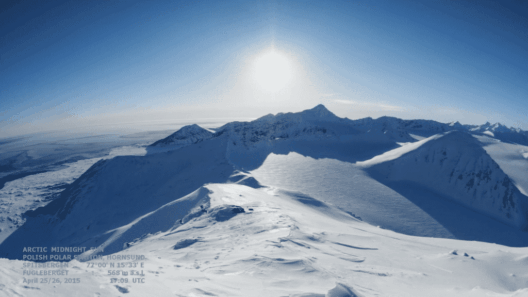
Lastly, the polar climate, predominantly found in Alaska, showcases the stark and unforgiving nature of extreme cold. This region experiences long, harsh winters, with brief summers that yield little respite from the chill. The polar climate significantly influences local wildlife and ecosystems, showcasing the need for conservation efforts. As global warming progresses, how are these ecosystems shifting, and what species are at risk of extinction or habitat loss? Understanding the profound effects of climate change on polar regions compels us to confront broader environmental issues.
As we navigate through these diverse climate zones, it becomes apparent that the implications of climate change are felt acutely in every corner of the United States. The myriad challenges posed by evolving weather patterns require adaptable strategies to mitigate impacts on both human society and natural ecosystems. From rising sea levels threatening coastal cities to increasingly severe weather events in the Midwest, the interconnectedness of climate issues urges us to adopt a holistic perspective on environmental stewardship.
The notion of climate justice emerges as a critical consideration. Vulnerable populations often bear the brunt of climate-related disasters, further emphasizing the need for equitable solutions. How do social inequities intersect with climate impacts, and what measures can be taken to address these systemic inequalities? This multifaceted question illustrates the pressing need for collective action and a commitment to sustainable practices at the community and governmental levels.
In contemplating the vast weather landscape of the United States, we are faced with a myriad of environmental challenges and opportunities. The realities of climate change demand our immediate attention and deliberate action. What role can each of us play in fostering awareness and advocating for sustainable practices? How can we contribute to a future that honors both the diversity of our climates and the interconnectedness of our ecological systems? By engaging in local initiatives and supporting environmentally-conscious policies, we can collectively rise to the occasion and champion the necessary changes for a resilient tomorrow.
In conclusion, understanding the climate of the United States is an emblematic journey that reflects both the beauty and complexity of our planet. Each climate zone tells a story rich with implications for biodiversity, agriculture, public safety, and social justice. The challenge lies not only in recognizing these differences but in actively seeking solutions that honor this intricate landscape, ensuring a sustainable future for generations to come.