


Earth’s tropical rainforests are often referred to as the “lungs of the planet,” a striking metaphor that encapsulates their vital role in regulating the global climate through an intricate web of ecological interactions. These verdant ecosystems are characterized by an abundance of biodiversity, dense foliage, and a unique climate that is as much a marvel as it is a critical component of our planetary health. Understanding the climate in tropical rainforests is essential for appreciating their intrinsic value and advocating for their preservation.
Located near the equator, tropical rainforests experience a climate that is predominantly warm and exceedingly humid throughout the year. The consistent insolation from the sun creates a phenomenon where daytime temperatures often hover around 20 to 34 degrees Celsius (68 to 93 degrees Fahrenheit). Unlike other ecosystems, tropical rainforests are not subject to the stark seasonal fluctuations that characterize temperate regions. Instead, they bask in a perpetual summer, providing ideal conditions for diverse life forms to thrive.
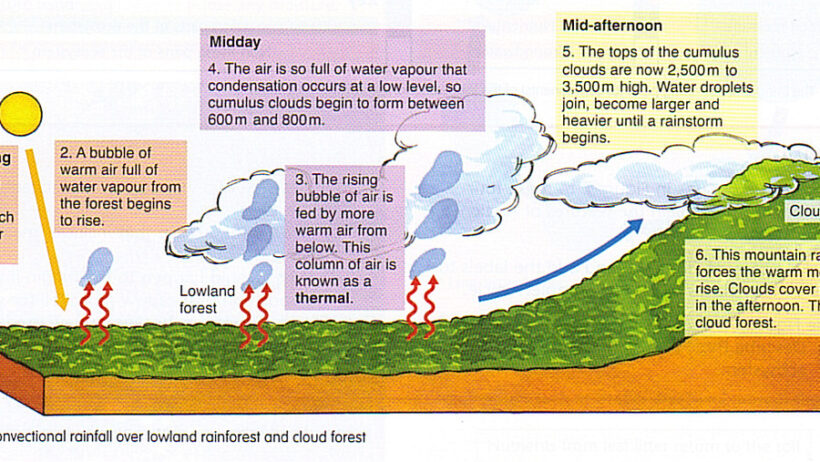
The rainfall patterns in these forests further depict a unique climatic narrative. Tropical rainforests receive abundant precipitation, typically exceeding 1750 millimeters (69 inches) annually, with some areas receiving up to 10,000 millimeters (393 inches). This moisture is a defining characteristic of the rainforest climate and occurs predominantly in the form of intense rainfall, often delivered through daily thunderstorms. Such a deluge creates an enchanting environment where lush greenery flourishes, forming a complex canopy of life that absorbs sunlight and, in turn, fuels the photosynthetic processes vital to our planet’s atmosphere.
The high levels of humidity, often exceeding 80%, not only support the flora but also contribute to the unique microclimates within these ecosystems. The interplay of warmth and moisture cultivates an environment that fosters rapid decomposition of organic matter, releasing nutrients back into the soil, creating a symbiotic relationship between flora and fauna. The towering trees, with trunks that can stretch to great heights and canopies that filter sunlight, create an intricate habitat that hosts a myriad of species, from colorful birds to elusive mammals and countless insects.
Many may find it fascinating that the tropical rainforest climate is intricately linked to broader climatic systems. The dense foliage acts as a carbon sink, absorbing significant amounts of carbon dioxide and playing a pivotal role in mitigating climate change. As carbon dioxide levels rise due to anthropogenic activities, the forests work tirelessly to offset these emissions, emphasizing their role as Earth’s guardians against excessive warming. The metaphor of the rainforest as “Earth’s ever-wet lungs” transcends mere poetic language; it underscores a profound truth about the interconnectivity of ecosystems and atmospheric dynamics.
The biodiversity within tropical rainforests is a direct byproduct of their climate. The stable, warm temperatures and high humidity facilitate the coexistence of a plethora of species. Over half of the world’s terrestrial species reside in these biomes, showcasing a captivating tapestry of life that depends on the climatic conditions provided by the rainforest. This makes the preservation of such ecosystems paramount not just for conservation concerns, but for the continuation of life itself on Earth.
The impact of climate change is already being felt in these crucial habitats. As weather patterns shift and temperatures rise, the delicate balance of the rainforest ecosystem is at risk. Increased droughts, altered precipitation patterns, and the proliferation of invasive species threaten to upend the intricate relationships maintained by the rainforest climate. When considering time on a geological scale, it is evident that the impacts of human activity are swiftly unraveling the fabric of these ecosystems, putting both flora and fauna in a precarious position.
Moreover, indigenous communities rely on these forests, sustaining their livelihoods while preserving the age-old wisdom grounded in the natural world. The climate plays an integral role in their culture, spirituality, and day-to-day survival. The trees, plants, and animals are interwoven into the very essence of their existence, echoing the sobering reality that the destruction of rainforests equates to the dissolution of cultural legacies. It is a poignant reminder that human life and the tropical rainforest climate share a symbiotic relationship which, if disrupted, could have catastrophic implications.
In conclusion, the climate of tropical rainforests encompasses much more than temperature and rainfall; it represents an intricate tapestry of ecological interactions, cultural heritages, and global climatic influence. These ecosystems, profound in their complexity and vital in their contributions to planetary health, demand our attention and protection. Understanding and preserving the unique climate of tropical rainforests is an urgent call to action—one that requires global cooperation and a commitment to sustainable practices. The survival of these forests and the myriad of life they support rest in our hands, as we venture into the future with the resolve to protect the lungs of the earth.