
The climate in Vietnam, a land of multifaceted natural wonders, is characterized primarily by its tropical warmth and the rhythmic cadence of monsoon rains. This enchanting tapestry of weather patterns shapes not only the lush landscapes but also the daily lives of its inhabitants. Exploring the distinctive climate of Vietnam reveals a compelling narrative—a symbiotic relationship between nature and culture.
Vietnam’s climate is predominantly tropical, influenced by geographical diversity ranging from its coastal regions to the mountainous north. Each territory showcases a kaleidoscope of weather, with distinct seasons that weave through the fabric of everyday life. The country experiences two main seasons: the dry and the wet, with the latter being punctuated by the onset of the monsoon, a phenomenon that drapes the land with a nourishing veil of rain.
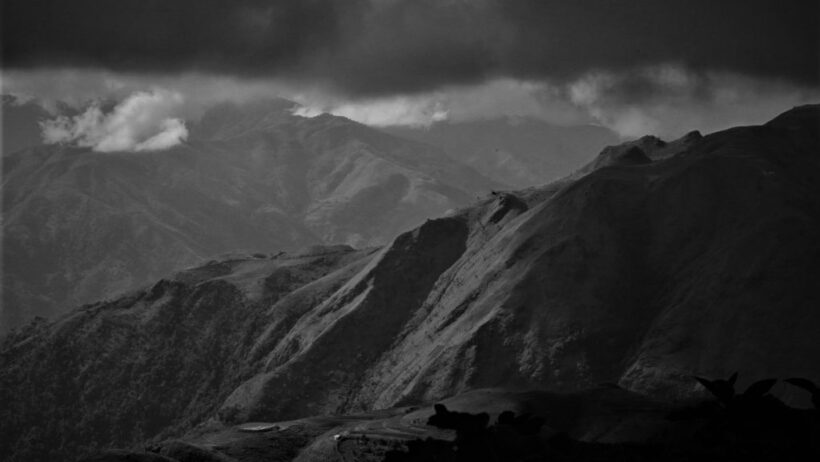
As we delve deeper into the climatic characteristics, the monsoon rains take center stage. They arrive like a long-awaited guest, bringing with them a revival of life, drenching the earth in bountiful water and casting a luminous spell upon the rice paddies and verdant hillsides. The southwest monsoon typically sweeps through from May to October, stirring up humid air from the Indian Ocean, turning the skies gray with clouds heavy with the promise of precipitation. This season epitomizes the poetic struggle of nature; it illustrates the continuity of growth, decay, and rebirth.
Throughout this period, the landscape is transformed into a lush, green tableau, reminiscent of a painter’s most textured canvas. In the northern highlands, the rain nourishes terraced rice fields, creating a mosaic of greens that glisten under a watery sky. The Hue region, with its imperial history, becomes a sanctuary for farmers, whose lives are rhythmically dictated by the rains. The downpour, while at times torrential, is a harbinger of prosperity, leading to fruitful harvests that sustain communities.
Conversely, the southern regions of Vietnam, particularly the Mekong Delta, embrace a different essence of the monsoon. Here, the rains often cause the river systems to swell, filling canals and tributaries, which then play a critical role in irrigation and local agriculture. The Delta transforms into a realm of intricate waterways, where life flourishes in a frenzy of activity. Fishermen deftly navigate through the labyrinthine channels, while farmers cultivate rice, vegetables, and tropical fruits in abundant harmony with the ever-present water.
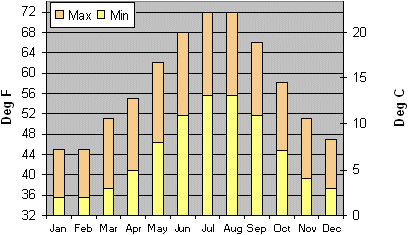
The tropical warmth that encompasses Vietnam is a constant presence. In cities like Ho Chi Minh and Hanoi, the temperatures can reach beyond 95°F during peak summer months, creating an almost palpable heat that envelops denizens and travelers alike. This is not merely heat; it is the beating heart of Vietnam—a vibrant, pulsating rhythm that fosters a culture deeply intertwined with its environment. The sultry air is thick with the scent of street food, and the streets buzz with life, a poignant reminder that this climate is both a challenge and an invitation to thrive.
During the cooler months, particularly from November to March, northern Vietnam experiences a respite as temperatures dip to more temperate levels. The phenomenon of winter in this region creates a unique atmosphere, often shrouded in mist, wrapping the mountains and valleys in a silvery embrace. The contrast is striking; it is a delicate dance between warmth and chill, where locals don sweaters and sip hot tea while sharing tales of resilience and hope against the backdrop of quietude.
The impact of climate change poses an existential threat to this delicate balance. The frightening specter of rising sea levels looms over the picturesque coastal regions, threatening to engulf quaint fishing villages and fertile rice fields alike. The erratic patterns of rainfall lead to catastrophic flooding in certain areas, while drought lurks ominously in others. The once predictable monsoon rhythm is now sporadic, challenging the agricultural foundations that have supported generations.
Yet, amid these challenges, there exists an unwavering resolve. With the land’s intricate connection to the monsoon rains, the Vietnamese actively seek innovative solutions rooted in sustainable practices. Communities adopt techniques of agroforestry, intercropping, and permaculture—strategies that honor their heritage while addressing contemporary challenges. This reflects an intrinsic understanding: the climate is not merely a backdrop to life in Vietnam; it is life itself.
In conclusion, the climate of Vietnam is an intricate interplay of warmth and rain, a living metaphor for resilience. The monsoon rains, a herald of transformation, invigorate the landscapes, fostering a deep-rooted connection with the land. As the specter of climate change looms, the Vietnamese spirit remains undeterred, prepared to navigate the storms with ingenuity and fortitude. This unique blend of tropical warmth and monsoon magic captivates not only the senses but also the soul, inviting the world to witness a narrative rich in both challenge and beauty.