


The climate of Costa Rica serves as a vivid illustration of the interplay between the Earth’s natural elements, forging an environment that is as inviting as it is diverse. The nation, nestled between the Caribbean Sea and the Pacific Ocean, is renowned for its rich ecosystems, brimming with unparalleled biodiversity. This dual maritime influence contributes significantly to the climatic conditions experienced throughout the year. Understanding this climate is not merely an endeavor for meteorologists but a journey into the very heart of nature’s rhythms and a lens into the challenges that climate change presents.
Costa Rica experiences a tropical climate with pronounced wet and dry seasons. The coastal regions, influenced by ocean currents, exhibit nuanced temperature variations that create microclimates. Generally, the temperature hovers between 70°F to 90°F (21°C to 32°C), with relative humidity drawing the air close to the skin, enhancing the awareness of tropical presence. Ground level temperatures can fluctuate markedly according to altitude, providing a diverse array of climates within a remarkably compact geographical area.
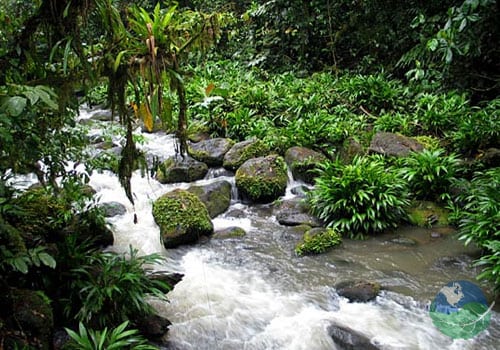
The wet season, locally known as ‘invierno,’ stretches from May to October. During this period, rain is a frequent guest, with downpours that can be both heavy and sporadic. The Pacific slopes receive ample rainfall, making the cloud forests of Monteverde and the rainforests like Corcovado National Park pulsate with life. This time of year conjures the indispensable vitality of rain for the ecosystem, nurturing the verdant foliage and feeding the waterways. Should you immerse yourself in this lush tapestry, you may find that every droplet seems to resonate with stories of resilience and rebirth.
Contrastingly, the dry season, or ‘verano,’ spans from November to April. This period is characterized by decreased precipitation and warmer temperatures, particularly in the lowland tropical regions. Tourist hotspots like Tamarindo and Manuel Antonio offer sunlit days that invite exploration—yet even during this dryness, the air is perfumed with the aromas of flora surviving against the aridity, revealing nature’s tenacity. Though invigorating for visitors, it is critical to remain mindful of the creeping shadows of climate challenges, such as droughts that may threaten both local species and agriculture.
Central to Costa Rica’s climate narrative is its diverse ecological zones arising from topographical variations. The interplay between altitude and rainfall creates remarkable habitats, from the damp and cool highland regions to the lowland tropical rainforests. These ecosystems embody a unique climatic identity. The regions can be broadly categorized: the highlands experience a cooler climate, often enveloped in mist, while the coastal areas are framed by warm, gentle breezes that shift dramatically with the seasons.
The Caribbean and Pacific coastlines are strikingly different in terms of precipitation. The Caribbean enjoys a more consistent rainfall pattern year-round, creating a lush environment that hosts some of the richest biological diversity on the planet. In contrast, the Pacific side tends to be more arid, experiencing a marked dry season, which oscillates between seasons, influencing the migratory behaviors of various species. This climatic dichotomy extends not just to flora and fauna but also plays crucial roles within agricultural practices—coffee cultivation flourishing in the highlands, while tropical fruits thrive in the coastal sun.
Yet, the unyielding effects of climate change cast a long shadow over these delicate ecosystems. Increases in temperature, erratic rainfall patterns, and rising sea levels threaten the very fabric of Costa Rica’s verdant landscape. The changing climate is already impacting agriculture, water resources, and wildlife habitats. This is not merely a future concern; the signs are evident today, compelling an urgent response from both policymakers and citizens alike. Investing in sustainable practices and environmental conservation initiatives is paramount for safeguarding this ecological treasury.
The climate of Costa Rica also serves as a microcosm for discussions of sustainability and climate action globally. As a nation that has positioned itself as a leader in environmental conservation, the educative potential of its climatic phenomena is vast. Costa Rica’s valued commitment to preserving its forests, investing in renewable energy, and promoting eco-tourism exemplifies a shift in perspective—one that recognizes the intrinsic value of natural environments beyond mere resources.
Through educational endeavors, Costa Rica illustrates the importance of understanding how climate directly affects every facet of life, from local cuisines to tourism and economic sustainability. Engaging with local communities, tourists, and scholars fosters a deeper appreciation for the interconnectedness of human life and the environment, encouraging a collective responsibility towards climate stewardship. The mere act of experiencing the rainfall—perhaps under the protective cover of a lush tree—can inspire a mindset shift, revealing the complexities of ecosystems that thrive against climatic challenges.
As visitors stroll through the shaded trails of national parks, with bated breath, they witness firsthand the innate beauty that the climate of Costa Rica fosters. Each waterfall is a testament to the rains’ significance; every breeze from the Pacific whispers tales of transformation and resilience. Embracing the climate of Costa Rica becomes an eye-opening journey towards recognizing our own ecological roles, forging a commitment to both local and global environmental conservation.
Ultimately, the climatic narrative of Costa Rica is more than a collection of data points; it is an invitation to engage with a world where weather patterns shape lives, where conservation is not merely a practice but a necessity. As we explore the humid rainforests and sway to the gentle pacific breezes, we are reminded that climate is not a distant concept—it is alive, dynamic, and crucial in safeguarding the biodiversity that nurtures our planet. This realization becomes a catalyst for action, reshaping perspectives on how we coexist with our environment in the face of an uncertain climate future. The journey begins here; it is one that must continue with purpose and urgency.