

Great Britain’s climate is characterized by a mild, temperate maritime climate that fosters a unique environmental tapestry. It is predominantly influenced by the Atlantic Ocean, which brings moderate temperatures and considerable precipitation throughout the year. This nuanced climate deserves a closer examination, particularly for those who marvel at its persistent dampness and how it shapes life in this global hub of culture, history, and biodiversity.
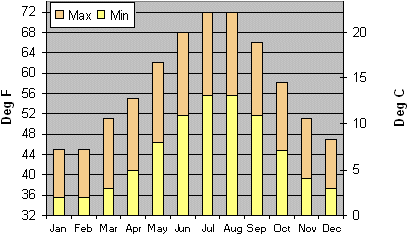
Firstly, it is essential to understand what constitutes this “mild and moist” descriptor. The average temperature in Great Britain rarely fluctuates to extremes. In winter, temperatures typically hover around 1 to 6 degrees Celsius (33 to 43 degrees Fahrenheit), while summers can see averages of 15 to 25 degrees Celsius (59 to 77 degrees Fahrenheit). These averages naturally create a conducive environment for diverse flora and fauna.
One of the most intriguing aspects of Britain’s climate is its precipitation patterns. The nation experiences rainfall throughout the year, with no definitive dry season. On average, Great Britain sees about 1,154 millimeters (45.4 inches) of rain annually, though it varies greatly depending on geographical location. The western regions, such as Wales and parts of Scotland, receive significantly more precipitation than the southeastern parts, including London. This disparity underscores the orographic effect, where moist air from the Atlantic is lifted over elevated terrains, condensing and precipitating more heavily in mountainous regions.
The prevailing westerly winds are another crucial factor that influences the British climate. These winds transport moist air from the ocean onto the land, resulting in a refreshingly verdant landscape. Unlike continental climates, where seasonal temperature swings can be harsh, Great Britain’s fluctuating temperatures and humid conditions create a climate that supports lush greenery year-round. This perpetual greenery is not only picturesque but plays an essential role in maintaining the ecosystem and supporting wildlife.
However, the British climate is not without its challenges. The variations in weather can lead to phenomena such as heavy fog, particularly in autumn and winter. This fog, often accompanied by low-hanging clouds, has historically shaped transport, trade, and even literature in the region. The iconic London fog, while often romanticized, became a genuine public health concern due to its association with air pollution in the mid-20th century, leading to significant reforms intended to improve air quality.
Additionally, climate change poses a significant threat to Britain’s environmental stability. As global temperatures rise, the UK has experienced more erratic weather patterns, increased flooding, and susceptibility to drought in certain regions. This shift can alter ecosystems dramatically and may disrupt the delicate balance that supports Britain’s unique wildlife. For instance, migratory patterns of species may change, leading to mismatches in food availability and habitat suitability.
Interestingly, despite the common rainy day stereotype, there is much beauty to be found in Britain’s weather. Rainfall is vital for agriculture, promoting thriving crops and sustaining the traditional countryside. Farmers have long adapted to these climatic conditions, cultivating a range of produce that thrives in the abundant moisture. The distinct regions, from the rolling hills of the Cotswolds to the rugged coastlines of Cornwall, embody a landscape molded by both the temperate climate and centuries of careful stewardship.
The impact of climate on human settlement is also profound. The maritime climate has fostered well-established cities, adapting to the rhythms of the seasons. Urban planning and architecture have been influenced by climatic conditions, favoring materials and designs that harmonize with the moist environment. The abundance of greenery and public parks in urban areas enhances the quality of life and serves to mitigate the urban heat island effect often seen in larger cities worldwide.
Moreover, the appreciation for the climate of Great Britain extends to the arts and culture. It has long inspired poets, writers, and painters who seek to capture the ethereal landscape shaped by changing weather. The dynamic interplay between light and shadow, rain and sun, creates a canvas of vibrant natural beauty that resonates deeply with both locals and visitors alike.
In conclusion, the climate of Great Britain is an intricate tapestry woven from the threads of maritime influences, geographical diversity, and seasonal variability. It is a climate that is mild yet multifaceted, fostering a remarkable biodiversity and rich cultural heritage. The intense fascination that individuals have with this distinctive climate is not merely superficial. It evokes a deeper appreciation for the symbiotic relationships present in nature, urging a collective responsibility to protect and cherish this nuanced environment amid the pressures of climate change.
As we navigate the future, understanding the climate of Great Britain becomes increasingly important. Embracing its essence not only enriches our experiences but also fosters commitment towards sustainability and environmental stewardship as fundamental tenets for future generations. Acknowledging our climate’s complexities can inspire a more profound respect for the world we inhabit, motivating efforts to combat climate change and preserve the natural beauty that has long captivated the human spirit.