

Greenland, often dubbed the “Land of Ice,” is a vast expanse where towering glaciers meet expansive tundra, painting a portrait of extreme climatic conditions. This archipelago, largely shrouded in ice and snow, provides an exceptional case study of Arctic climate phenomena. Stretching over 2.1 million square kilometers, Greenland’s geographical vastness belies its climatic uniformity, resulting in some of the harshest yet intriguing weather patterns on the planet.
The climate of Greenland can be categorized into two primary zones: the icy interiors and the coastal fringes. Each area experiences its own brand of weather, intermingling in a symbiotic dance of cold and warmth. The interior region, characterized by its towering ice sheets, envelops the landscape like an impenetrable white blanket, possessing a mostly polar climate. Here, temperatures plummet into the abyss, piercing into the soul of winter. In stark contrast, the coastal areas sip from the Atlantic’s moderating influence, boasting slightly milder conditions, especially during the fleeting summer months.
As winter’s looming shadow envelops Greenland, the landscape transforms into a frozen tableau, where temperatures often plunge below -20°C (-4°F) in the interior and hover around -10°C (14°F) along the coasts. During this protracted season, the sun rarely graces the land, engaging in a prolonged dance of absence. The dark Arctic nights can extend for months, creating a somber atmosphere that cloaks the land in silence. Snowfall is a constant companion, blanketing the terrain in a glistening veil, and creating a playground for intrepid explorers and wildlife alike. This frozen wilderness is home to remarkable adaptations; Arctic foxes, reindeer, and polar bears thrive in the desolation, embodying resilience.
Yet, as one stares into the Arctic abyss, there lies a paradox in this severe climate: summer. Lasting only a few ephemeral months, this cherished season rekindles life from the icy grip of winter. It is during this brief interval that the tundra awakens, revealing a vibrant tapestry of life. Delicate wildflowers pierce through the melting snow, painting the barren landscape with splashes of color. This microcosm of activity serves as a reminder that life, however tenuous, exists even in the harshest conditions.
The short summers, often dubbed the ‘golden months,’ are heralded by rising temperatures, which can soar to a balmy 10°C (50°F) in some coastal regions. Here, the respite from chill is a cause for celebration. Glaciers shed their icy layers, forming spectacular icebergs that float majestically in the frigid waters. This is a period marked by the vibrant presence of fauna; migratory birds return to the region, and marine mammals bask in the sun. Life emerges with a ferocity that belies the surrounding desolation—a testament to nature’s remarkable ability to thrive against all odds.
The unique climatic conditions are coupled with Greenland’s geographical features, which further amplify its allure. The coastal regions are buffeted by the warm currents of the Atlantic, creating a unique microclimate that supports a surprising diversity of ecosystems. Here, the air is often moist, nurturing a variety of flora and fauna that take advantage of the sun’s fleeting warmth. The juxtaposition of the rugged mountains against the serene waters results in breathtaking vistas that tantalize the senses and invite exploration.
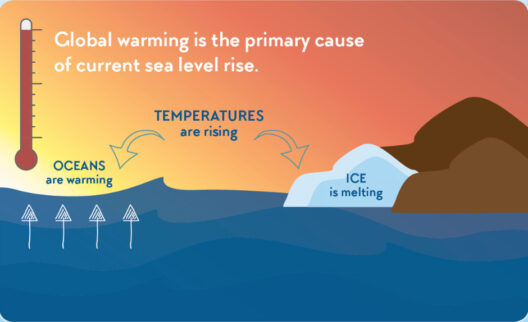
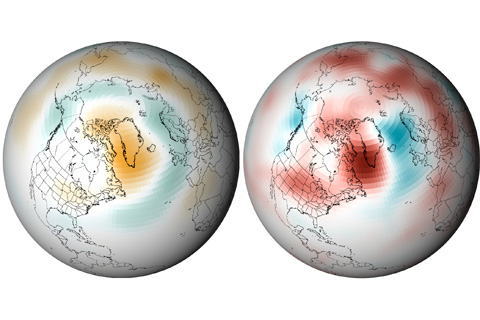
However, the climate of Greenland is not static. It is a living, breathing entity profoundly impacted by global climate change. The alarming rate at which the ice sheets are melting signals a shift in the ecological balance and raises important questions about sea-level rise and climate resilience. The once stable environment is undergoing rapid changes, where the icy fortresses are receding, exposing ancient landscapes. Scientists and environmentalists are drawn to Greenland, their focus sharpened by the urgency of understanding the implications of these transformations.
Data indicates that Greenland’s ice sheet is melting at an accelerating pace, contributing significantly to global sea level rise. This phenomenon alters not only the physical landscape but also the cultural narrative of indigenous peoples who have called this land home for thousands of years. Their connection to the land is woven into their traditions, and climate change threatens not only ecosystems but the very fabric of their existence.
In the midst of these challenges, the resilience of the Greenlandic people shines through. This community embodies an enduring spirit, adapting to shifting climates while preserving their identity. As stewards of the environment, they lend their voices to advocate for sustainable practices and environmental stewardship, underscoring the importance of protecting this fragile ecosystem.
In conclusion, the climate of Greenland is a stark reminder of nature’s power and fragility. The icy tundra and short summers stand as a testament to life’s resilience amid adversity. While the majestic ice sheets convey a formidable presence, the emerging realities of climate change urge a collective response. Greenland’s unique climate is emblematic of a world at a crossroads, urging us to reflect on the interconnectedness of our environment and the imperative to safeguard it for future generations.