


The climate of Mexico is a captivating tapestry interwoven with diverse ecosystems, each with its own narrative and character. Traveling through its vast terrain, one can witness the striking contrasts between the arid deserts, vibrant jungles, and temperate highlands. Mexico’s climate can be likened to an elaborate symphony, where every instrument contributes to a harmonious balance of weather patterns, landscapes, and life.
To comprehend the climatic diversity, one must first recognize Mexico’s geographical expanse. Stretching over 1.96 million square kilometers, it spans various latitudes and altitudes, bestowing it with a medley of climatic zones. From the scorching Sonoran Desert to the lush tropical rainforests of the south, Mexico is a microcosm of the planet’s climate variety.
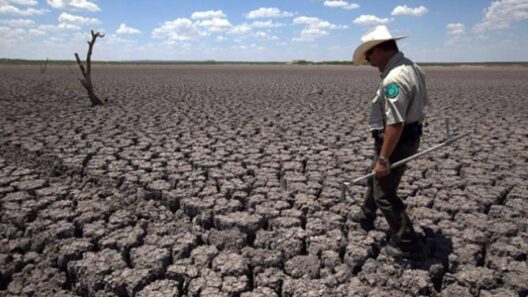
The **northern deserts** of Mexico present an austere beauty, where the sun relentlessly bathes the terrain in an almost surreal glow. This region is characterized by low precipitation, often less than 250 millimeters annually. Here, the Sierra Madre Occidental and Sierra Madre Oriental rise majestically, their rugged profiles contrasting starkly against the flat arid plains. These deserts are not merely wastelands; they cradle unique flora and fauna adapted to thrive in heat and scarcity. The hardy cacti and resilient shrubs stand as sentinels over the vast, sandy expanses, embodying perseverance in the face of adversity.
Transitioning from these arid landscapes, one encounters the **central highlands**, a zone where the elevation rises and the climate cools. The cities that sit atop these high plateaus, such as Guadalajara and Mexico City, experience a temperate climate characterized by mild winters and warm summers. This highland region is often enveloped in a cloak of rain during summer, which nourishes the verdant landscapes, allowing agriculture to flourish. The **Mexican Plateau**, cradled by mountains, is an agricultural beacon, producing staples like corn and beans. Walking through these fields, one can feel the pulse of sustainable cultivation—a rhythm of life harmonized with the climate.
Venture further south towards the coasts, and one is greeted by the **tropical savannah** climate of the Yucatán Peninsula. Here, the mercury rises, and the air hangs heavy with humidity. Coastal cities like Cancún and Mérida bear witness to a climate that invites sun-seekers and nature enthusiasts alike. In this vibrant ecosystem, the coastline dazzles with turquoise waters, while inland jungles teem with life. The region’s biodiversity is staggering; from jaguars prowling through the understory to manatees meandering through mangroves, life thrives in an exquisite dance with the climatic conditions.
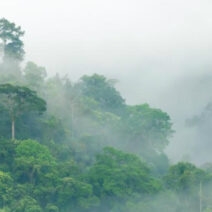
The **tropical rainforests** of southern Mexico, particularly in Chiapas, illustrate perhaps the most fecund aspect of Mexico’s climatic tableau. Rainfall heights can exceed 2,500 millimeters annually, transforming the land into a lush paradise. Here, towering ceiba trees reach for the sky, their canopies providing shelter for countless species. As the rain sustains this vibrant tapestry of life, the air is thick with the fragrance of damp earth and burgeoning plant life. This region not only showcases ecological diversity but also highlights the complex interplay between climate and biodiversity.
However, Mexico’s climate is not without its challenges. The effects of climate change are becoming increasingly palpable. Erratic weather patterns, intensifying droughts in the north, and torrential rains during hurricane season have begun to alter the landscapes and livelihoods of many communities. The delicate balance that has sustained these ecosystems is being disrupted, posing existential threats to flora, fauna, and human life alike.
In confronting these challenges, the question arises: how does Mexico navigate the path forward in the face of climatic adversity? The answer lies in the fusion of tradition and innovation. Sustainable practices rooted in ancient agricultural wisdom are gaining prominence, alongside modern methodologies that seek to conserve resources. The indigenous practices of rainwater harvesting, communal gardens, and rotational farming exemplify resilience and adaptability in dealing with climate variability.
Moreover, policy interventions aimed at conserving forests and promoting ecotourism are crucial in safeguarding these diverse environments. By championing sustainability, Mexico can pivot from merely surviving its climatic challenges to thriving amid them. Efforts to educate communities on climate resilience and adaptation techniques are equally imperative, empowering citizens to participate actively in protecting their environment.
In conclusion, Mexico’s climate is a remarkable study in contrasts and complexities, a vivid illustration of nature’s diversity. From arid deserts to lush rainforests, each climate zone holds a treasure trove of ecological wonders and cultural significance. As the world collectively grapples with the exigencies of climate change, Mexico stands as both a testament to nature’s resilience and a reminder of the fragility that underpins it. Ensuring the longevity of this vibrant climate and its ecosystems will require an unwavering commitment to sustainable practices and proactive environmental stewardship.