


The climate of Miami, often characterized by its tropical heat and precipitous storms, presents a fascinating interplay of meteorological phenomena that captivates both residents and visitors. Situated in the southeastern region of Florida, this vibrant city experiences a tropical monsoon climate, dominated by two distinct seasons: a sultry, humid summer and a balmy, comparatively dryer winter. Understanding the nuances of Miami’s climate is essential, not only for appreciating its natural beauty but also for recognizing the profound implications of climate change that this region faces.
Firstly, Miami’s geographical positioning plays a pivotal role in dictating its climate. Its locale near the Atlantic Ocean and the Gulf Stream contributes to the high humidity levels prevalent throughout the year. This proximity exacerbates the summer heat, where average temperatures can soar into the upper 80s and even into the low 90s Fahrenheit. The stifling humidity can often create a feeling of discomfort, pushing the heat index to even higher levels. Moreover, the urban heat island effect, caused by extensive concrete and asphalt surfaces, further intensifies these temperatures, leading to one of the hottest microclimates within the state.
During the summer months, typically from June through September, Miami experiences a predictable pattern of afternoon thunderstorms. These storms are a direct result of the intense solar heating of the land, which creates instability in the atmosphere. Warm, moist air rises and cools, condensing into clouds that unload their moisture in the form of rain. The storms, while providing essential precipitation for the region’s ecology, can be ferocious, bringing with them heavy winds, torrential downpours, and occasional lightning strikes. Such dynamic atmospheric conditions contribute to Miami’s reputation as a city that is punctuated by sudden weather shifts.
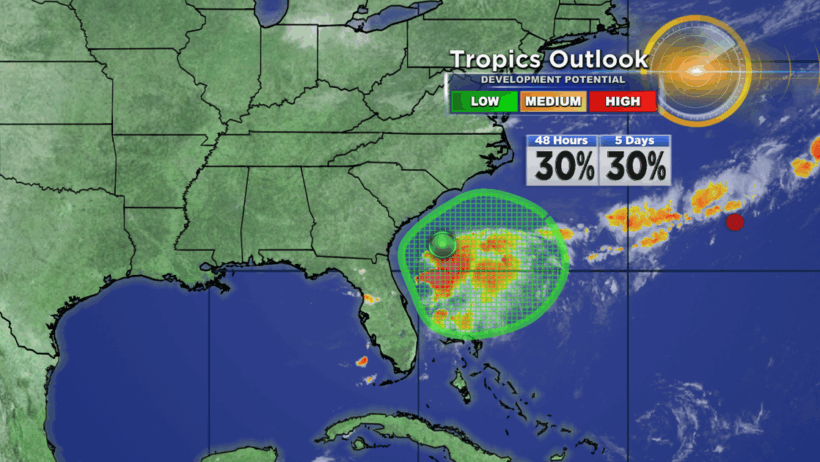
As summer transitions to fall, the climate remains warm, but the hurricane season, which runs from June 1 to November 30, becomes a prominent concern. During this period, Miami is susceptible to tropical cyclones. These formidable storms can bring devastating winds and flooding, alongside the potentially catastrophic storm surge. In recent years, the frequency and intensity of hurricanes appear to have escalated, a consequence of climate change that underscores the urgent need for proactive measures and community preparedness. Scientists attribute this phenomenon to warmer ocean temperatures, which fuel hurricanes and increase their destructive capabilities.
Winter in Miami presents a stark contrast to the sweltering summer months. From December through February, temperatures drop to a more temperate range, averaging between 60°F and 75°F. These months are characterized by lower humidity and a decrease in precipitation, making them particularly appealing to tourists escaping colder climates. Clear blue skies and gentle breezes grace the city, offering an idyllic backdrop for various outdoor activities. However, while winter may appear pleasant, it is becoming increasingly evident that climatic shifts are altering traditional patterns. Erratic temperature fluctuations and unseasonable weather events are becoming commonplace, reminding residents of the lurking consequences of climate change.
The city’s ecosystem, marked by diverse flora and fauna, is intrinsically linked to its climatic conditions. Miami boasts an array of ecosystems, ranging from lush coastal mangroves to subtropical hardwoods and coral reefs. However, as rising sea levels and temperature fluctuations become more pronounced, these ecosystems face an existential threat. Coral bleaching, exacerbated by warmer ocean waters, threatens Miami’s marine biodiversity. It is estimated that corals will face catastrophic declines without immediate and persistent intervention in carbon emissions and habitat protection.
Urbanization has also significantly impacted Miami’s climate. As the city continues to grow, vast swaths of land have been paved for development, leading to reduced green spaces. These changes alter local weather patterns and can exacerbate the urban heat island effect, further amplifying the discomfort of residents. The loss of natural areas diminishes the city’s ability to mitigate flooding, as permeable surfaces are overtaken by concrete, hindering the absorption of rainwater.
In response to these pressing challenges, Miami has begun to embrace innovative strategies aimed at climate resilience. The city has launched initiatives focused on improving infrastructure, enhancing urban greenery, and increasing public awareness about climate preparedness. Such measures include the installation of green roofs, rain gardens, and permeable pavements designed to combat flooding and heat retention. Community engagement and education play vital roles in empowering residents to adopt environmentally sustainable practices and prepare for the inevitable changes the climate will bring.
Moreover, Miami has witnessed a growing recognition of the importance of adapting to, rather than resisting, the reality of climate change. This paradigm shift offers a promising perspective on developing sustainable practices that ensure the city thrives despite climatic adversities. Collaborations between local governments, non-profits, and residents have forged partnerships aimed at restoring natural habitats and enhancing biodiversity, crucial for building a resilient urban environment. These grassroots movements demonstrate that even in the face of climate-induced challenges, communities can unite to initiate meaningful change.
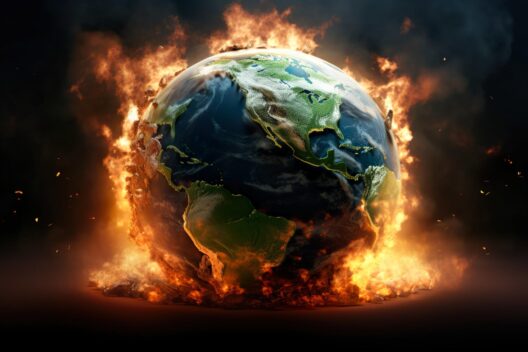
Ultimately, Miami’s distinctive climate—marked by tropical heat and sudden storms—serves as both a wonder and a warning. As the city grapples with the ramifications of climate change, the interplay between weather patterns, urban development, and ecosystem health demands an urgent reevaluation of our relationship with the environment. For Miami, the future is a dual narrative of beauty and vulnerability, underscoring the necessity for adaptive strategies and an unwavering commitment to preserving the city’s extraordinary ecological heritage for generations to come.