


The climate of the desert encapsulates an intriguing paradox: sweltering days juxtaposed with frigid nights. Have you ever thought about how such extremes can occur within the same geographical space? The answer lies in various factors, including atmospheric conditions, geographical features, and the unique characteristics of desert ecosystems. This exploration will delve into the specificities of desert climates, shedding light on their unique attributes, challenges, and the implications for the environment and biodiversity.
Defining Desert Climates
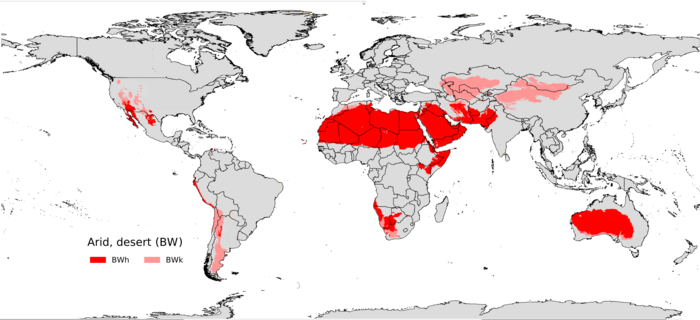
Desert climates, classified under the Köppen climate classification as BWh (hot desert) and BWk (cold desert), typically receive less than 250 millimeters of rainfall annually. This lack of precipitation is a defining characteristic that leads to numerous environmental adaptations among flora and fauna. Deserts are not monolithic; rather, they encompass arid regions across the globe, from the Sahara in Africa to the Mojave in North America. Each of these deserts exhibits unique climatic features yet adheres to the overarching principle of extreme aridity.
The Scorching Days
During daylight, desert temperatures can soar with alarming rapidity, often exceeding 40 degrees Celsius (104 degrees Fahrenheit). This intense heat results from high solar radiation and scarce moisture in the atmosphere, which would otherwise help to regulate temperature. The sun’s relentless rays beat down on the parched earth, causing the surface to absorb heat and further elevate temperatures. The phenomenon of the urban heat island effect can amplify these extremes in desert-adjacent cities, amplifying temperature challenges even further.
Interestingly, the daily temperature range in many deserts can be quite significant. The lack of vegetation and water means that there are few materials to retain heat. As the sun sets, the rapid loss of heat results in dramatic temperature drops. In some areas, nighttime temperatures can plummet to near freezing, particularly during the winter months. This volatility not only presents a challenge for human habitation but also creates a unique environment for the organisms that have adapted to thrive in such extremes.
The Chilling Nights
Desert nights are defined by a clear sky and reduced wind, creating ideal conditions for the rapid dissipation of heat accumulated during the day. Often, nighttime temperatures fall significantly, sometimes reaching below zero degrees Celsius (32 degrees Fahrenheit) in colder desert regions such as the Gobi or parts of the Great Basin. This drastic transition from daytime heat to nighttime chill can be perilous for organisms that are ill-equipped for such fluctuations.
The ability of desert flora and fauna to adapt to these temperature extremes is a testament to their resilience. Plants such as cacti and succulents have evolved mechanisms to retain moisture and absorb sunlight effectively. Many desert-dwelling animals possess nocturnal habits to avoid the oppressive heat, becoming active during the cooler night hours when their chances of survival are enhanced.
The Role of Humidity and Winds
Humidity plays a crucial role in shaping the desert climate. Low humidity levels during the day contribute to the intense heat felt by the desert’s surface. Despite high temperatures, the low moisture content in the air often results in a dryness that can be detrimental to organisms reliant on water. However, certain desert regions may experience seasonal humidity spikes due to localized climatic influences or oceanic proximity. These rare instances can lead to brief bursts of lush vegetation and provide a momentary respite from the otherwise harsh conditions.
Wind patterns are equally significant in desert climates. The prevailing winds can influence temperature and moisture, contributing to phenomena like sandstorms, which can drastically alter landscapes and pose challenges for both ecosystems and human activities. Winds can disperse seeds and pollen, facilitating plant reproduction and maintaining the delicate balance of desert ecosystems.
Impacts on Biodiversity
The extreme conditions prevalent in desert climates have informed the evolution of unique biodiversity. Tolerance for aridity and temperature extremes characterizes the flora and fauna found in these regions. Many plants develop extensive root systems to access deep water sources, while animals may have specialized adaptations, such as nocturnal behavior or physiological mechanisms to minimize water loss.
However, these unique adaptations are not immune to the impacts of climate change. Increasing temperatures and changing precipitation patterns pose significant threats to desert ecosystems. An increase in frequency and intensity of droughts can create a precarious situation for both plants and animals that rely on specific climatic conditions for survival. The challenge now lies in understanding how these ecosystems can adapt to rapid climate shifts, particularly in the face of anthropogenic influences.
A Call to Action
In conclusion, the climate of the desert presents a nuanced narrative marked by extremes and resilience. Captivating and vulnerable, desert ecosystems require our attention and proactive measures to ensure their continued existence. It is a call to recognize not just the challenges faced by these environments, but also the beauty they impart, reminding us of the extraordinary adaptability of life in the harshest of conditions.