


The climate of the Midwest is a kaleidoscope of meteorological phenomena. From stifling heatwaves to punishing snowstorms, the region epitomizes the diverse and sometimes volatile weather patterns characteristic of the United States. Whether basking under sweltering summer sun or braving icy winter chills, residents of the Midwest experience an ecological symphony that many find simultaneously intriguing and perplexing.
The Midwest, often referred to as America’s heartland, encompasses parts of twelve states, including Illinois, Indiana, Iowa, Michigan, Minnesota, Missouri, Ohio, and Wisconsin. This expansive region showcases an array of climatic zones, classified primarily as humid continental, with pockets of humid subtropical influences. Such diversity is attributable to its geographical position, flanked by the Great Lakes to the northeast and the Great Plains to the west.
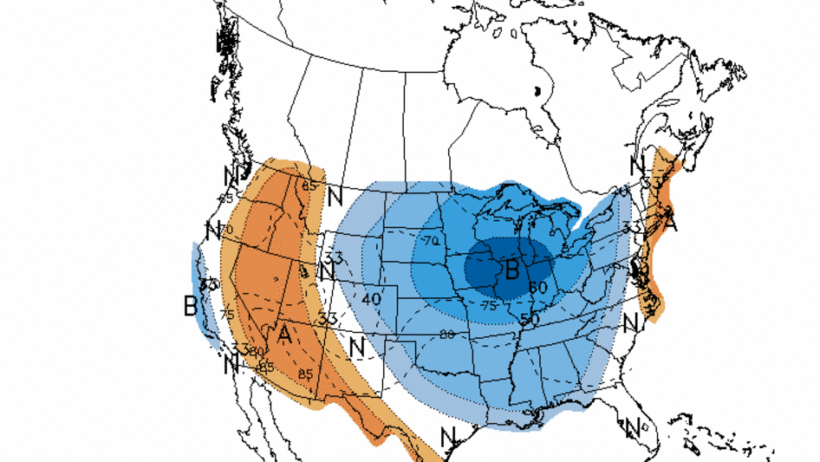
One of the pronounced features of the Midwest climate is the stark contrast between summer and winter. Summers can be excruciatingly hot, with average temperatures frequently soaring above 90°F (32°C), especially in July. Humidity adds a suffocating quality to the heat, prompting heat advisories and health warnings. Heatwaves can linger, driven by high-pressure systems that trap warm air, resulting in oppressive conditions that can affect human health, agriculture, and ecosystems alike.
Conversely, winters in the Midwest can be brutal. The region experiences significant snowfall, particularly in the northern states, where winter temperatures can plummet to 20°F (-6°C) and lower. Snowstorms, often fueled by moisture from the Great Lakes, can lead to white-out conditions, making the landscape resemble a winter wonderland. These blizzards have the power to immobilize cities, disrupting transportation and daily life. The Midwestern winter, with its biting winds and drifts of snow, serves as a reminder of nature’s formidable strength.
Understanding the dynamics of Midwestern weather requires delving into the role of atmospheric phenomena. The region is frequently influenced by contrasting air masses: warm, moist air from the Gulf of Mexico clashes with cold, dry air from Canada, resulting in severe thunderstorms and, occasionally, tornado outbreaks. Tornado Alley, which encompasses parts of the Midwest, is infamous for its twirling tempests that cause destruction at an alarming rate. The peak of tornado season typically unfolds from late spring to early summer, coinciding with the volatility of transitional weather.
Moreover, the eccentricity of Midwestern weather can be traced to the region’s topography. The vast plains, combined with the varied elevation levels, create an environment conducive to rapidly changing weather patterns. The flat landscape provides little resistance to incoming weather systems, allowing storms to develop quickly. This phenomenon can mystify even the most seasoned meteorologists and adds a layer of fascination to the climate.
Despite the daunting aspects of Midwestern climate, its rhythms have far-reaching implications for agriculture. The region is a powerhouse of American agriculture, producing corn, soybeans, and a variety of other crops. However, fluctuations in weather patterns—such as unseasonable warmth or late frosts—can jeopardize harvests. Farmers have learned to adapt to the whims of climate through innovative practices, including crop rotation, drought-resistant strains, and advanced weather forecasting techniques. This interaction between climate and agriculture not only sustains the local economy but also intertwines human survival with nature’s unpredictable hand.
The interplay of climate and weather also influences the cultural fabric of the Midwest. The changing seasons dictate not only agricultural cycles but also recreational activities and community events. From summer fairs and farmers’ markets to winter ice-fishing and snowmobiling, the people of the Midwest have woven their lives into the seasonal tapestry of the environment. Festivals celebrating harvests and seasonal changes create a communal acknowledgment of the climate’s role in everyday life.
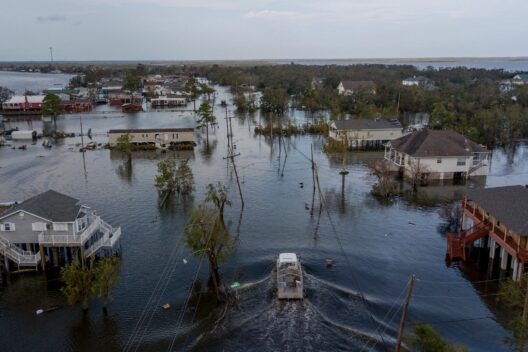
Yet, the climatic narrative of the Midwest is changing. Climate change—driven primarily by anthropogenic factors—has begun to manifest in exaggerated weather extremes. Patterns once considered typical are becoming increasingly erratic. Summers grow hotter and drier, contributing to drought conditions in some areas, while winters can oscillate between mild episodes and severe cold bursts, with unpredictable snow quantities. The growing frequency of intense storms and heavy precipitation also poses risks for flooding and erosion, threatening infrastructure and livelihoods.
These changes elicit critical concerns about sustainability and environmental stewardship. Understanding the intricacies of climate in the Midwest is imperative not merely for forecasting weather but for anticipating and mitigating impacts on ecosystems, economy, and public health. Addressing climate change necessitates collective action—embracing renewable energy, advocating for sustainable farming practices, and enhancing urban resilience to withstand climatic fluctuations.
The climate of the Midwest serves as a poignant reminder of nature’s unpredictability and complexity. As communities navigate this intricate dance between weather and ecological stewardship, it reflects a broader narrative about humanity’s relationship with the environment. The heartland, with its diverse climatic conditions, stands as a testament to resilience, adaptation, and the pressing need to address the looming specter of climate change.