



Energy conservation is not merely a prudent practice; it represents an urgent call to action in our increasingly voracious world. Imagine a river: its waters are essential for nourishment, powering ecosystems and supporting life, yet with careless extraction, we threaten its very essence. Similarly, our energy resources flow abundantly, yet the mismanagement of this flow jeopardizes the sustainability of our planet. As we delve into the significance of energy conservation, we encounter a tapestry intricately woven with ecological, economic, and social threads, all of which coalesce to illustrate its necessity in contemporary society.
At its core, energy conservation refers to the mindful and intentional effort to reduce energy consumption through various strategies and practices. This multifaceted approach does not simply focus on utilizing less energy but rather emphasizes the efficient use of existing resources. When one chooses to replace incandescent bulbs with LEDs or invests in energy-efficient appliances, they are not just saving money; they are making conscious choices that resonate far beyond their immediate circles.
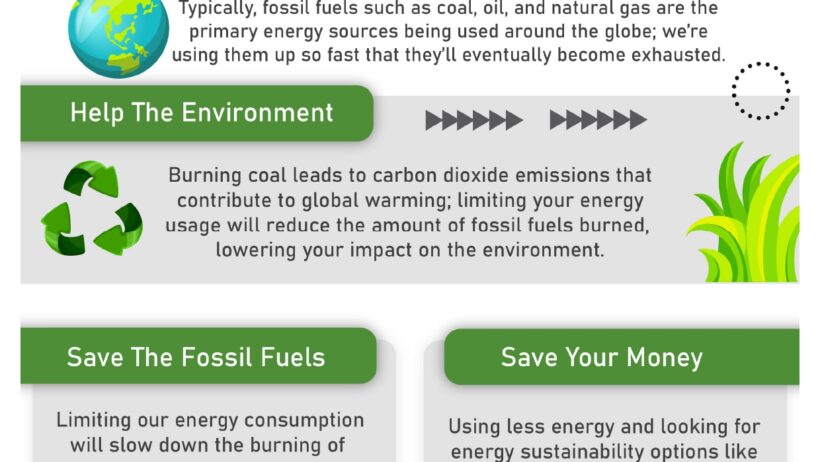
The environmental repercussions of ignoring energy conservation are profound. Fossil fuels, such as coal, oil, and natural gas, are the primary sources of energy that power our cities and industries. As we persist in our reliance on these finite resources, we contribute to the accumulation of greenhouse gases in our atmosphere, a harbinger of climate change. This manipulation of our planet’s thermostat has precipitated extreme weather events, rising sea levels, and biodiversity loss, rendering the planet increasingly inhospitable. In stark contrast, energy conservation is akin to a protective shield against these impending consequences. By consuming less energy, we reduce our carbon footprint, mitigate pollution, and ultimately contribute to the preservation of our planet’s delicate ecosystems.
Moreover, energy conservation plays a pivotal role in economic stability. The complexities of the global energy market are often bewildering, yet one crucial truth remains: energy costs are on a relentless rise. This escalation affects not only businesses but also average households. By adopting energy-efficient measures, consumers can significantly curtail their utility bills, fostering financial resilience. Think of energy conservation as a financial reservoir—it allows individuals and businesses to divert savings towards other crucial areas, be it education, healthcare, or infrastructure development. This not only stimulates local economies but also cultivates a culture of sustainability.
The significance of energy conservation extends beyond mere financial implications; it prompts a profound shift in our societal values. As we embrace energy efficiency, we inherently advocate for a more sustainable lifestyle. Schools, institutions, and communities that prioritize energy conservation foster awareness and educate future generations about the importance of resource stewardship. This awareness can catalyze a collective consciousness, prompting individuals to make choices that transcend personal convenience. In this metaphoric garden of consciousness, the seeds of awareness become the blossoms of action, as individuals realize that energy conservation is not just an obligation but a moral imperative.
As technological advancements burgeon, innovative solutions to energy conservation continue to emerge, offering an exciting landscape of possibilities. Smart home systems, for instance, epitomize the symbiotic relationship between technology and conservation. These systems optimize energy usage by learning user patterns and adjusting consumption accordingly. Furthermore, renewable energy technologies such as solar and wind power signify a transition from fossil fuels to cleaner alternatives, creating a sustainable future. In this sense, energy conservation functions not merely as a mitigative measure; it becomes a proactive strategy, a means of harnessing the power of nature to meet humanity’s needs without compromising future generations.
Despite the compelling arguments in favor of energy conservation, public perception often remains a significant barrier. Misconceptions about the feasibility of implementing energy-efficient practices can hinder progress. Some individuals may argue that conservation efforts require a considerable investment or excessive lifestyle changes. However, the reality is that many energy-saving measures can be implemented at little to no cost. Simple actions, such as unplugging devices when not in use or adjusting thermostat settings, can yield substantial results. Equally important is recognizing the role of policy and governance in shaping an environment conducive to energy conservation. Advocacy for supportive legislation can drive collective efforts to transition towards a more sustainable future.
In conclusion, conservation of energy is an indispensable pillar of modern sustainability. Its importance is underscored by the urgent need to combat climate change, enhance economic stability, and cultivate a sense of shared responsibility among individuals and communities. Each person’s actions contribute to a larger narrative, one that emphasizes the intricate balance between consumption and preservation. As we stand at the precipice of choice, the path we embark upon will determine the well-being of future generations. The time for concerted action is now; as stewards of our planet, it is incumbent upon us to preserve the flows of energy that sustain us. Just like that river, we must learn not to drain our resources, but to flow harmoniously within the natural rhythm of our environment.