


Climate change is an unprecedented challenge facing the United States and the global community. For decades, scientific consensus has underscored the urgent need for comprehensive and effective policies aimed at mitigating the impacts of climate change. In recent years, the U.S. has intensified its efforts, adopting a multifaceted approach involving legislation, international cooperation, and innovative technological advancements. This article delves into the various policies and progress the U.S. is making to combat climate change.
One of the seminal pieces of legislation targeting climate change in the U.S. is the Inflation Reduction Act (IRA), enacted in 2022. This landmark legislation represents an investment of approximately $369 billion in climate and energy initiatives. The IRA aims to reduce greenhouse gas emissions by nearly 40% by 2030, relative to 2005 levels. It includes significant incentives for renewable energy development, electric vehicle adoption, and energy efficiency improvements. These measures target both consumers and businesses, encouraging a shift toward cleaner energy sources and sustainable practices.
The Biden administration has also set a formidable goal to achieve net-zero emissions by 2050. This ambitious target reflects a commitment to transition the economy and society away from fossil fuels and toward sustainability. To facilitate this transformation, federal climate agencies, such as the Environmental Protection Agency (EPA) and the Department of Energy (DOE), are implementing various initiatives. These agencies are actively working to enhance regulations that limit emissions from power plants and vehicles, thereby curbing pollution and fostering cleaner air.
Moreover, the U.S. has established the Climate Action Plan, which outlines specific actions aimed at reducing the effects of climate change while enhancing resilience across sectors. This comprehensive approach emphasizes the significance of incorporating climate considerations into all levels of policy-making. The plan covers areas such as transportation, agriculture, and infrastructure, underscoring the interconnectedness of climate impact with economic stability.
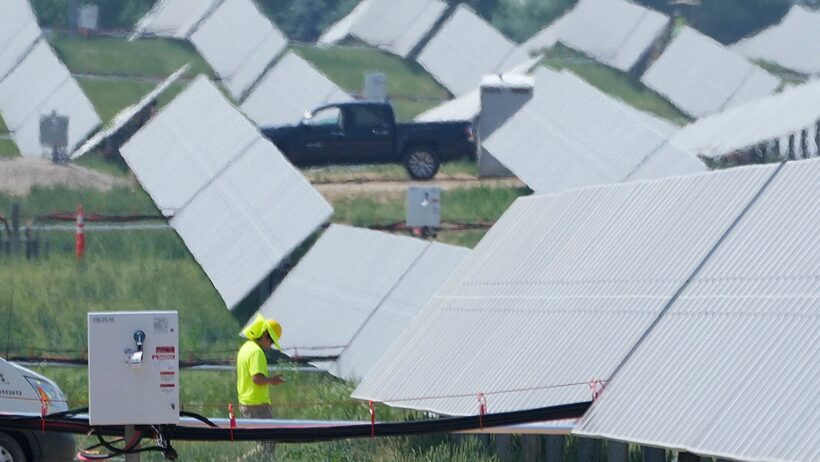
Energy production remains a critical area of focus. The U.S. is increasingly shifting towards renewable energy sources, such as wind, solar, and hydroelectric power. The goal is to achieve a cleaner energy grid that is less dependent on fossil fuels. In 2021, renewables accounted for approximately 21% of the total electricity generation in the U.S., a figure that continues to rise. The U.S. Department of Energy has been instrumental in funding research and development initiatives aimed at enhancing energy efficiency and advancing renewable technologies.
Furthermore, public-private partnerships are playing a pivotal role in driving progress toward a sustainable future. These collaborations leverage the expertise and resources of both sectors to develop innovative solutions to climate challenges. Initiatives such as the Clean Energy Standard propose requirements for utilities to increase their use of renewable energy. This encourages investment in clean technologies and ensures that energy consumers benefit from green alternatives.
In addition to federal efforts, many states are proactively implementing their own climate policies. For example, California has established stringent regulations aimed at reducing greenhouse gas emissions, including a cap-and-trade program that limits emissions from large polluters. This state-led initiative has garnered attention and has set a precedent for other states to follow. Numerous states, such as New York and Washington, are also pursuing similar legislative measures to address the climate crisis at a regional level.
In the realm of transportation, the U.S. has recognized the need to decarbonize one of the largest sources of emissions. The adoption of electric vehicles (EVs) is being promoted through various incentives, including tax credits and rebates. In 2022, President Biden announced a goal for half of all new vehicles sold in the U.S. to be electric by 2030. The administration is also investing in EV infrastructure, including a network of charging stations to support the transition to cleaner alternatives.
International cooperation is another critical component of the U.S. climate strategy. Following the re-entry into the Paris Agreement, the U.S. is actively engaging with other nations to pursue collective climate goals. Global initiatives, such as the G7 and G20 summits, showcase the commitment to addressing climate change as a global priority. The U.S. is also enhancing support for climate adaptation and mitigation efforts in developing countries, reinforcing the necessity of a united front against climate change.
While substantial progress has been made, challenges persist. The political landscape continues to influence climate policy, with fluctuating support based on the administration in power. Additionally, societal attitudes towards climate change exhibit variability, leading to ongoing debates around the urgency of action and the methods employed. Public awareness campaigns aim to educate citizens about the importance of sustainable practices, fostering a more informed electorate that can influence policy decisions.
In conclusion, the United States is engaged in a comprehensive and evolving response to the climate crisis. Through legislative actions, technological advancements, and grassroots efforts, there is a concerted movement toward a greener, more sustainable future. The alignment of federal, state, and private initiatives highlights a collective recognition of the need for immediate and substantial action. Achieving long-term climate goals will require perseverance, innovation, and a steadfast commitment to environmental stewardship. The journey ahead is fraught with challenges, yet the momentum toward meaningful change is undeniable.