

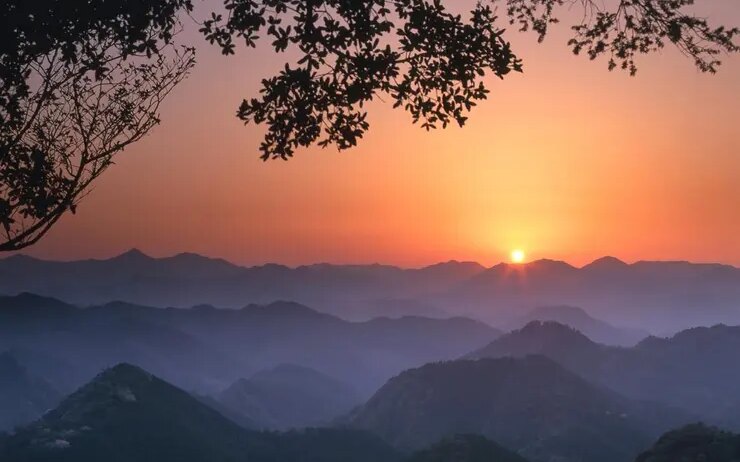

Japan, known as the Land of the Rising Sun, is a captivating archipelago that boasts a diverse array of climates due to its unique geography and varied topography. Stretching approximately 3,000 kilometers from north to south, the country presents a microcosm of climate zones within a relatively small area. This article delves into the various climatic conditions found throughout Japan, elucidating the complexities and nuances of its weather patterns.
At the northernmost end lies Hokkaido, where the climate is classified as humid continental. This region experiences long, cold winters and short, warm summers. Snowfall is abundant, transforming Hokkaido into a winter wonderland that attracts tourists seeking winter sports like skiing and snowboarding. The temperature in winter can plunge to -10 degrees Celsius (14 degrees Fahrenheit), while summer temperatures may rise to around 20 to 30 degrees Celsius (68 to 86 degrees Fahrenheit). The stark contrast between the harsh winters and mild summers instills a profound respect for nature among the local populace.
Moving southward, we encounter the Tohoku region, which also features a humid continental climate. However, the climate here becomes more temperate than its northern counterpart. This area still endures cold winters but benefits from milder autumns and springs. The impressive mountainous terrain leads to significant snowfall, while the proximity to the Sea of Japan influences heavy rainfall during the monsoon season. The seasonal changes in Tohoku profoundly affect local agriculture, leading to the cultivation of rice and various fruits, which flourish in the spring and summer months.
As one journeys further down the Japanese archipelago, the climate begins to shift dramatically. The Kanto region, which includes Tokyo, experiences a humid subtropical climate characterized by hot, humid summers and mild winters. Temperatures during the summer can often exceed 35 degrees Celsius (95 degrees Fahrenheit), creating a challenging environment for both residents and visitors. Yet, the winters, though mild, can present challenges with occasional snowfall. This contrasts sharply with the vibrant tapestry of cherry blossoms that adorn the region in spring, drawing countless visitors eager to witness this natural spectacle.
To the west lies the Chubu region, which showcases a remarkable diversity in climate due to its mountainous geography. The Japanese Alps create a rain shadow effect, leading to contrasting weather patterns within the region. While the southern part enjoys a humid subtropical climate, the northern part has a markedly different approach, exhibiting characteristics of a humid continental climate. This climatic variability cultivates a rich biodiversity, particularly in the alpine ecosystems.
In stark contrast, the Kansai region, which includes cities such as Kyoto and Osaka, experiences similar weather patterns to Kanto but is slightly less humid. Summers can be intensely hot, with temperatures soaring above 35 degrees Celsius. The region’s historical significance is complemented by its climate, which positively impacts agriculture, particularly the cultivation of rice and soybeans, thus ensuring a vibrant culinary tradition is upheld.
The climate gradually transitions into the warmer subtropical patterns as we head toward the southern islands, such as Kyushu and Shikoku. These regions experience markedly milder winters and hot, humid summers characterized by significant rainfall. The rainfall originates from the East Asian monsoon, which ensures lush vegetation and supports a rich variety of flora and fauna. The region is renowned for its natural beauty, with a landscape dotted by hot springs and dense forests.
The southernmost islands, including Okinawa, are immersed in a tropical climate. Here, temperatures remain warm throughout the year, rarely dipping below 15 degrees Celsius (59 degrees Fahrenheit). This region is blessed with abundant sunshine and crystal-clear waters, making it a favored destination for those seeking respite from the fast-paced life of urban centers. However, residents of Okinawa face unique challenges posed by typhoons, especially during the summer months, making preparedness crucial in the face of these natural phenomena.
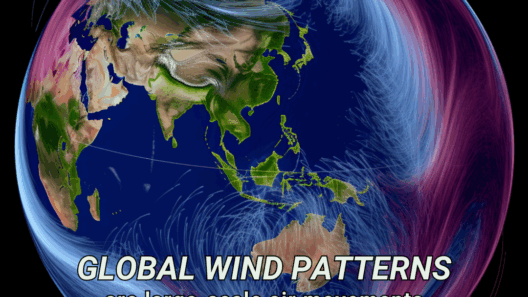
Throughout the year, Japan’s climatic conditions are influenced by several factors including the monsoon winds, ocean currents, and the topographical layout of the archipelago. The interplay between the Japanese current and the colder currents from the north creates a dynamic that leads to unpredictable weather patterns. The phenomenon of four distinct seasons enriches the country’s cultural fabric, giving rise to myriad festivals and traditional events that celebrate the changing climate.
Understanding Japan’s climate is not merely a matter of weather—it shapes the life, culture, and identity of its people. Emerging from the shadows cast by Western perceptions of Japan as a singular land of cherry blossoms, one can appreciate the intricate tapestry of climates that influence daily life. Cherry blossoms, vibrant foliage, and snow-capped mountains are not just seasonal transitions but powerful weather phenomena that evoke reverence and wonder among observers.
Furthermore, climate change poses a significant threat to Japan’s delicate environmental balance. Rising sea levels, increased frequency of extreme weather events, and shifts in temperature have the potential to disrupt not just the natural world but also the intricate cultural practices developed over centuries. The resilience of the Japanese people is tested as they adapt to these changes, maintaining a sense of harmony with their environment even in the face of adversity.
In conclusion, Japan’s diverse climate is a reflection of its geographical diversity, cultural heritage, and environmental challenges. By delving into the complexities of Japanese weather patterns, one gains valuable insights into how climate shapes human experience. The Land of the Rising Sun invites you to explore its myriad climates and appreciate the intricate relationship between nature and society.