
Understanding the myriad climates that exist across the globe is pivotal for addressing many contemporary issues, including agriculture, urban planning, and environmental conservation. Climate, in the most fundamental sense, is defined by the long-term patterns of temperature, humidity, wind, and precipitation in a particular area. This text aims to provide a comprehensive overview of the various types of climate that can be observed worldwide, categorized primarily by temperature and moisture levels.
The Köppen climate classification system is among the most widely adopted systems for categorizing climates. This system divides the Earth’s climates into five primary categories, each represented by a specific letter acronym. These categories include tropical, dry, mild temperate, continental, and polar climates, with each exhibiting distinct characteristics.
Tropical Climates (A)
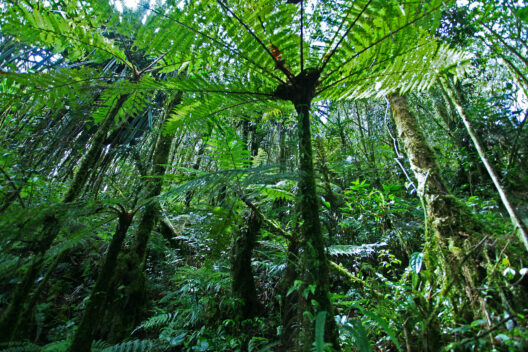
Tropical climates are often found near the equator and are characterized by consistently high temperatures and significant precipitation. This climate type is further subdivided into tropical rainforest, tropical monsoon, and tropical savanna climates. Areas dominated by tropical rainforests exhibit high humidity with average monthly temperatures exceeding 18°C (64°F) year-round and receive over 2000 mm of rainfall annually. Such conditions foster lush biodiversity, as seen in the Amazon Basin and the Congo Basin.
In contrast, tropical monsoon climates experience seasonal variations in rainfall, with pronounced wet and dry periods. Typically, these regions are located in South Asia and parts of Africa. On the other hand, tropical savanna climates feature a more distinct wet and dry season, with grasslands interspersed with sparse trees. The Serengeti in Tanzania serves as a notable example, showcasing vast plains and significant wildlife migrations.
Dry Climates (B)
Dry climates are categorized primarily by their insufficient precipitation; they include arid (desert) and semi-arid (steppe) regions. The defining feature of arid climates is their extreme dryness and high evaporation rates, resulting in vegetation scarcity. The Sahara Desert, for instance, exemplifies the arid climate, where annual rainfall can be less than 250 mm. The lack of moisture creates distinctly harsh living conditions, but specialized flora and fauna have adapted remarkably to survive.
Semi-arid climates, or steppe regions, receive slightly more precipitation, ranging from 250 to 500 mm annually. The grasslands of North America, such as the Great Plains, illustrate this climate type. While these areas are not as barren as deserts, they still face challenges in drought and sustainable land management, particularly with regards to agriculture.
Mild Temperate Climates (C)
Mild temperate climates exist in regions where the temperature remains moderate throughout the year, including Mediterranean, humid subtropical, and oceanic climates. The Mediterranean climate, characterized by hot, dry summers and cool, wet winters, is often found in coastal regions such as Southern California and parts of South Australia. This climate fosters unique ecosystems, renowned for their biodiversity, including the diverse shrublands commonly referred to as “chaparral.”
Humid subtropical climates experience hot summers and mild winters, with ample rainfall distributed throughout the year. Regions such as the southeastern United States, including Florida and Georgia, exemplify this type of climate. These areas often face intense summer storms and hurricanes, necessitating advanced planning and preparedness strategies to mitigate climate impacts.
Oceanic climates, on the other hand, feature mild temperatures with relatively consistent precipitation, typically found on the west coasts of continents. The climate in cities like San Francisco and London is influenced considerably by ocean currents, leading to notably cooler summers and milder winters compared to regions at similar latitudes.
Continental Climates (D)
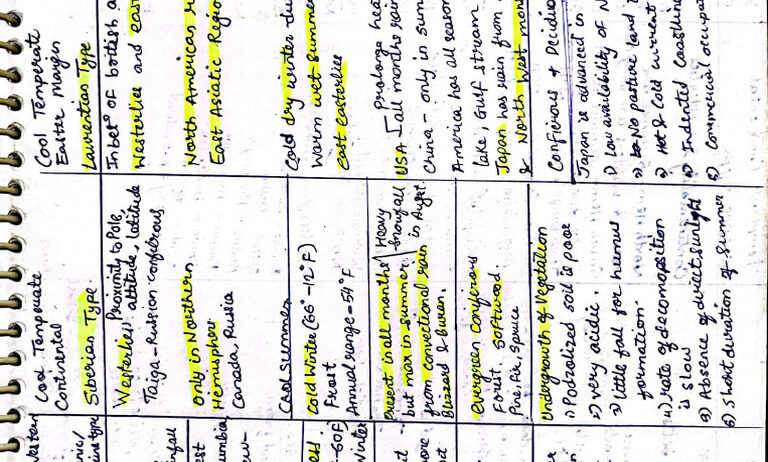
Continental climates are characterized by significant temperature variations between seasons. They typically experience warm summers and cold winters. This climate type is prevalent in the interior regions of continents, such as much of the United States and Eastern Europe. The key characteristics of this climate type include distinct humidity levels and precipitation patterns, which can vary widely depending on geographical features and proximity to water bodies.
Continental climates can be further divided into humid continental and subarctic climates. Humid continental regions often see heavy snowfall in winter and are located in areas such as the northeastern United States, whereas subarctic climates experience long, extremely cold winters and short, cool summers. The Russian Siberian tundra exemplifies the extremes of the subarctic climate, where temperature drops can plunge well below freezing.
Polar Climates (E)
Finally, polar climates typify the coldest regions on Earth, characterized by extremely low temperatures and minimal precipitation, primarily falling as snow. This climate type is divided into tundra and ice cap climates. The tundra, found in regions such as northern Canada and parts of Alaska, displays a brief summer where temperatures can rise enough to allow for some vegetation growth, although permafrost beneath the surface limits overall biodiversity.
Ice cap climates, on the other hand, are frigid year-round, with average temperatures consistently below freezing. The vast ice sheets covering Antarctica and Greenland exemplify this climate, where life is sparse, and climatic conditions are harsh and unforgiving.
In conclusion, understanding the diverse types of climate that exist around the world is crucial for comprehending the implications of climate change and the need for sustainable practices. Each climate zone plays a unique role in the global ecosystem and comes with its own set of challenges and opportunities for biodiversity and human civilization. A thorough grasp of these climatic variances not only enriches our knowledge but also informs strategies for mitigating the impacts of climate change effectively.