


Mesopotamia, often heralded as the “Cradle of Civilization,” is not merely a historical geography; it is an intricate tapestry woven with threads of climate, agriculture, and societal advancement. Positioned between the Tigris and Euphrates rivers, Mesopotamia was an exquisite environment, a paradox of abundance and adversity. This region’s climate acted as both sculptor and adversary to its inhabitants, shaping their lifestyle, culture, and innovations.
The climate of Mesopotamia can be effectively characterized as a transitional zone, bridging the more humid, temperate climates to the north with the arid deserts to the south. This geographical positioning made for a unique climatic experience. The region experienced a hot-summer Mediterranean climate, defined by pronounced seasonal variations. The summers were scorching, with temperatures often exceeding 40 degrees Celsius (104 degrees Fahrenheit). Conversely, winters were mild and brought forth modest rainfall. While these elements render Mesopotamia a land of extremes, they were paradoxically crucial to its agricultural prosperity.
Rainfall in Mesopotamia was notoriously capricious, averaging around 150 mm (5.9 inches) annually. This precipitation primarily occurred between October and April, resulting in a narrow window during which agriculture could thrive. Farmers had to be astute observers of the skies, honing a sort of meteorological intuition. In this sense, the climate served as a mentor and an antagonist, teaching the ancient inhabitants to adopt advanced techniques such as irrigation and crop rotation.
The heart of Mesopotamian agriculture was embedded in its river systems. The Tigris and Euphrates, akin to ancient serpents wending their way through the terrain, provided life-sustaining water. Without the implementation of irrigation—an ingeniously devised network of canals and dikes—the unpredictable seasonal rains would have rendered farming futile. Early Mesopotamian societies transformed their environment, mitigating the capriciousness of their climate by diverting river waters to their fields. This mastery of irrigation not only sustained their agriculture but also fostered social cooperation and technological progress.
But while the rivers nourished the soil, they were also susceptible to the changes brought about by human interventions. Over time, the fertility of the land faced challenges due to salinization, a consequence of intensive agricultural practices. When irrigation techniques became overly reliant on surface water, evaporation concentrated salts in the soil, depleting its agricultural productivity. This unforeseen consequence served as a cautionary tale about the delicate balance between harnessing natural resources and safeguarding them.
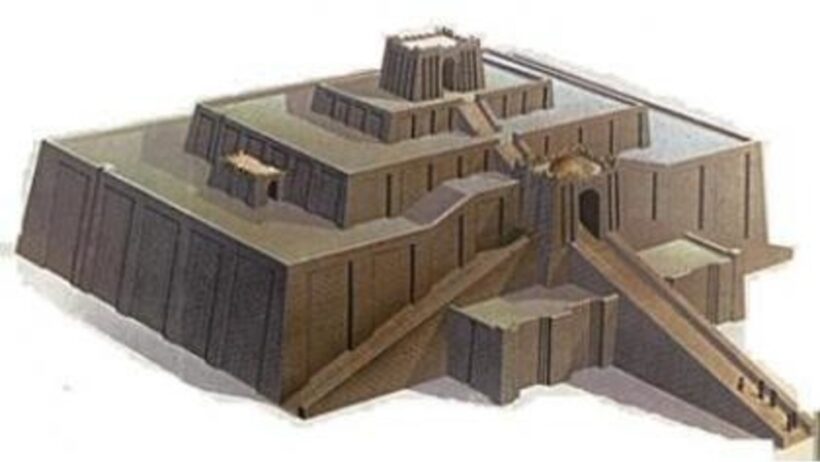
Moreover, Mesopotamia’s climate was significantly augmented by its topography. The gently rolling plains formed a natural amphitheater, capturing both the nurturing sunlight and the chilling winds. The sun, a relentless overseer, bestowed upon the land a glare that compelled the early inhabitants to innovate materials and structures that could withstand its onslaught. Baked mud bricks became the quintessential building material, imbuing ancient structures with durability against the fierce summer heat while maintaining a semblance of coolness within their walls.
As urban centers blossomed—like the fabled cities of Ur, Babylon, and Nineveh—climate played an orchestrating role in the growth and decline of these polities. Each city’s prosperity was inextricably linked to its ability to navigate the vagaries of the weather. Droughts could spell doom, while an unforeseen flood could erase entire communities. Thus, climate shaped not only economies but also the very fabric of Mesopotamian civilization.
This climate-driven variability further manifested in the pantheon of Mesopotamian beliefs. The ancients deified natural forces, worshipping gods associated with weather, crops, and fertility. Enlil, the wind god, was both celebrated and feared. His whims could ensure bountiful harvests or wreak havoc through storms. This reverence for climate phenomena transcended mere superstition; it revealed an acute awareness of their environment’s pivotal role in their existence.
Such an intricate relationship with climate underscores a fundamental truth—human civilization, no matter how advanced, remains inextricably linked to its natural surroundings. Mesopotamia, with its tumultuous river dynamics and temperate seasons, epitomized this notion. While the region sowed the seeds of societal structure, trade, and innovation, it was the climate that ultimately dictated the rhythm of life.
In conclusion, Mesopotamia’s climate was not merely a backdrop against which history played out; it was a formidable player in the narrative of civilization’s dawn. The interplay of abundance and adversity forged a society resilient enough to cultivate the seeds of progress under the unforgiving sun. As the cycle of dry summers and rainy winters continues to shape ecosystems globally, the lessons from Mesopotamia echo through the annals of time, reminding us of the profound impact of climate on civilization’s trajectory. To navigate our contemporary climate crisis, we must heed these ancient teachings, recognizing our interconnectedness with the environment as we forge pathways toward a sustainable future.