

The climate of the New England Colonies played a significant role in shaping the lives, cultures, and economies of the early settlers. Understanding this historical climatology offers insights into how various environmental factors intertwined with human activity to influence the development of these colonies. This article delves into the meteorological phenomena characteristic of New England, explores its climatic variations across the region, and examines how weather conditions influenced agricultural practices, settlement patterns, and social structures.
New England, comprising present-day states like Massachusetts, Connecticut, Rhode Island, New Hampshire, Maine, and Vermont, is renowned for its distinct humid continental climate. This climate type is characterized by four clearly defined seasons: cold winters, warm summers, and a transitional period in spring and fall. The geographical orientation, including the Appalachian Mountains to the west and the Atlantic Ocean to the east, significantly affects the local climate.
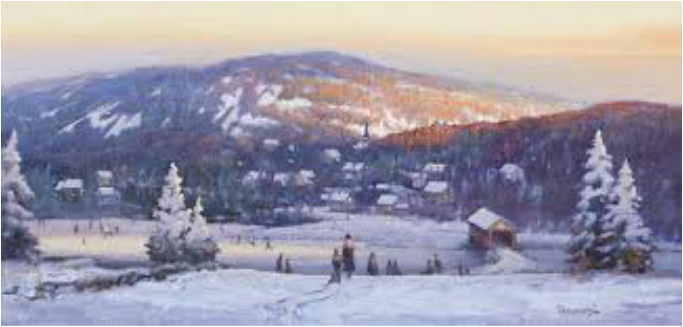
During the winter months, New England experiences frigid temperatures, frequently dropping below freezing. Snowfall can be substantial, particularly in the northern regions, while coastal areas might receive milder conditions. The mountainous terrains influence snow accumulation and create diverse microclimates. These harsh winter conditions necessitated the development of robust heating methods and appropriate clothing; hence, settlers were required to harness local resources, such as wood for fuel.
Summer months bring a hazy, warm climate, with average daytime temperatures ranging from the low 70s to the high 80s Fahrenheit. This season is interspersed with periods of high humidity, often leading to severe thunderstorms. The significant contrast between summer heat and winter chill has historically prompted settlers to optimize their agricultural cycles. The cultivation of crops such as corn, beans, and squash flourished during these warmer months, a practice that was rooted in indigenous knowledge.
Spring and fall represent transitional periods, often marked by volatile weather conditions. Early spring warms gradually, heralding the beginning of the growing season, while fall is characterized by a rapid drop in temperatures and vibrant foliage—a phenomenon that draws tourists today. The unique beauty of these transitions, alongside the interdependence of seasonal weather patterns, influenced the cultural life of New England households, leading to celebrations such as Thanksgiving which coincide with the harvests of autumn.
During the European colonization efforts of the 17th century, settlers had to adapt to the New England climate. The land was formidable; the combination of rocky soil and varying temperatures posed considerable challenges for agriculture. Early settlers quickly recognized that traditional farming techniques applied in Europe were insufficient to succeed in this new environment. They adopted and developed diverse agricultural practices, such as crop rotation and the introduction of hardy plants from their homeland.
This climate variability also played a pivotal role in dictating settlement patterns. Coastal towns flourished due to access to maritime resources and trade, while inland areas were often less populated due to their challenging topographies and harsher climates. As communities formed, the climatic conditions fostered a spirit of cooperation, evident in the formation of towns where local governance and social welfare were buoyed by the ever-changing demands of the New England weather.
Furthermore, the New England climate influenced regional economic activities. Fishing, shipbuilding, and trade became predominant thanks to the region’s access to the Atlantic Ocean, which further colored the colonial economy with its maritime character. The whaling industry also burgeoned, especially during the 18th century, as entrepreneurs capitalized on the rich marine resources made plentiful by the ocean’s temperate influence. These industries were deeply intertwined with climatic conditions, as fishermen and whalers were highly dependent on weather patterns to optimize their harvests.
As historical narratives unfold, one must consider the long-term implications of climate on the social fabric of early American settlements. A climate largely dictated by seasonal rhythms necessitated a communal approach to survival; thus, social bonds were often reinforced during times of hardship. The unpredictable weather patterns acted as a unifying force among settlers, fostering collaboration through cooperative farming, shared resources during the winter months, and collective responses to natural disasters like blizzards and hurricanes.
Indeed, catastrophes stemming from extreme weather events have also left imprints on the historical timeline of New England. For instance, devastating hurricanes, typical in the late summer and early fall, disrupted lives and led to substantial economic losses. Each catastrophic event not only reshaped landscapes but also catalyzed changes in legislation and communal strategies for disaster preparedness.
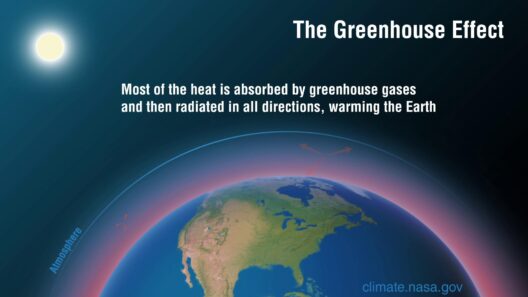
Contemporary narratives regarding climate change raise poignant parallels with historical climatological data. Scientists now recognize that shifts in climate often precipitate cascading effects on ecology, economy, and culture. Observing the historical context of climate in the New England Colonies offers vital lessons on adaptability, resilience, and the interconnectedness of human and environmental systems. In an era marked by global climate crises, the past serves as a crucial lens through which to understand current challenges while navigating toward sustainable futures.
In conclusion, the climate of the New England Colonies was not merely a backdrop to life; it was a dynamic force that influenced the course of history. Through a detailed exploration of seasonal variations and their impact on agriculture, settlement, economy, and community life, one can appreciate the profound relationship between the environment and human activity. This narrative ultimately serves as a reminder that history and weather are inextricably linked, with each shaping the other in a perpetual dance across time.