


The climate of the Southern Colonies during the early American period was characterized by its distinctive warmth, humidity, and long growing seasons, which significantly influenced the agricultural practices and societal structures of the region. Spanning the present-day states of Maryland, Virginia, North Carolina, South Carolina, and Georgia, these colonies were situated in a climate zone that offered both opportunities and challenges to the settlers and indigenous populations alike.
The Southern Colonies experienced a humid subtropical climate. This classification is marked by hot summers and mild winters, accommodating a variety of crops—especially cash crops essential for the economy. The summer months typically saw temperatures soaring into the 80s and 90s Fahrenheit, while winters remained relatively mild, providing a conducive environment for year-round agricultural activities.
One of the defining features of the Southern Colonies’ climate was the abundant precipitation. Average annual rainfall ranged from 40 to 60 inches, creating a lush landscape ripe for cultivation. The regularity of rain, particularly in the warmer months, was pivotal for sustaining crops, although it also presented challenges such as potential flooding and the proliferation of pests and diseases. Each cycle of rain and sunshine played a crucial role, impacting not only agriculture but also the daily lives of the colonists.
In addition to temperature and precipitation, the Southern Colonies were susceptible to seasonal fluctuations, including the arrival of hurricanes and tropical storms. The Atlantic Ocean, in close proximity, influenced weather patterns and brought the threat of severe weather, notably during the late summer and early autumn. Communities had to develop strategies to mitigate the impacts of such events, highlighting the resilience and adaptive nature of early settlers.
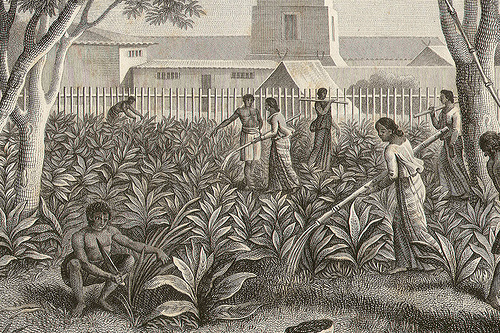
Plantations flourished in this favorable climate. Tobacco, rice, and indigo became the staples that defined the region both economically and culturally. Tobacco, particularly, thrived in the warm, moist conditions, leading to its designation as “brown gold” for its pivotal role in trade. The cultivation of such crops necessitated a substantial labor force, which eventually contributed to the adoption of slave labor systems, shaping the social and economic structures of the Southern Colonies.
The relationship between climate and crop cultivation extended into the dietary customs of the region. The Southern Colonies also benefited from a varied agricultural output, which was further enhanced by the diverse ecosystems present in the area. From the coastal plains to the rolling hills, farmers could cultivate not only cash crops but also vegetables, fruits, and grains essential for local consumption. This agricultural bounty underlined the connection between climate and survival, feeding not only the colonists but also fostering trade with other colonies and Britain.
Moreover, the climate fostered a unique lifestyle among the colonists. With long growing seasons, agricultural activities frequently dictated social life and family structure. Communities often came together during harvest season, reinforcing social ties and communal support systems. The cultivation of crops was not merely a means of subsistence; it was interwoven with cultural identity and local traditions, showcasing how the environment shaped societal norms.
The lushness of the Southern Colonies also brought with it ecological diversity. The region was home to a vast array of flora and fauna, which thrived in its temperate climate. This diversity was more than a biological curiosity; it underscored the delicate balance within ecosystems that colonists often failed to fully appreciate or respect. Deforestation, driven by the needs of agriculture and construction, began to alter landscapes and disrupt natural habitats, revealing early signs of environmental interactions that continue to resonate today.
As the colonies progressed into the 18th century, land use shifted in response to both climate variability and market demands. For instance, a shift from subsistence farming to monoculture practices sparked discussions about sustainability, resilience, and the long-term impacts of such changes on the land. The interconnectedness of climate and economic necessity was becoming increasingly evident, raising questions about the sustainability of exploiting natural resources to meet human demands.
The Southern Colonies, while replete with natural wealth, were not immune to the consequences of environmental neglect. As agricultural practices intensified, the consequences of poor land management began to surface. Soil depletion and erosion became pressing issues, challenging the long-term viability of plantation economies. The early warning signs of environmental degradation were emerging, exacerbating the challenges posed by climate and demanding a reassessment of colonial practices.
Climate thus played a multifaceted role in shaping the Southern Colonies. It influenced not only agricultural practices and economic development but also social structures and cultural identities. The interplay between environment and human activity created a rich tapestry of historical experience, reflecting the adaptability and resilience of early American settlers. As we reflect on the climate of the Southern Colonies, it is imperative to recognize the importance of sustainability and ecological stewardship — lessons that remain relevant as we confront the pressing challenges posed by modern climate change.
In conclusion, the climate of the Southern Colonies was more than just a backdrop for everyday life; it was a critical determinant of economic prosperity and societal evolution. Understanding the climatic conditions and their implications provides a deeper appreciation for the historical context, as well as a perspective on contemporary environmental issues. In navigating the complexities of today’s climate challenges, acknowledging the lessons of the past can guide future actions towards more sustainable practices.