

As we peer into the crystal ball of our environmental future, the projected climate of 2050 is a topic that demands critical attention. The consensus among scientists signifies that our planet is on an alarming trajectory, shaped by anthropogenic influences. Forecasting the climate of 2050 entails examining a multitude of factors including temperature increases, sea level rise, biodiversity shifts, and extreme weather patterns.
Temperature Increases and Heat Waves
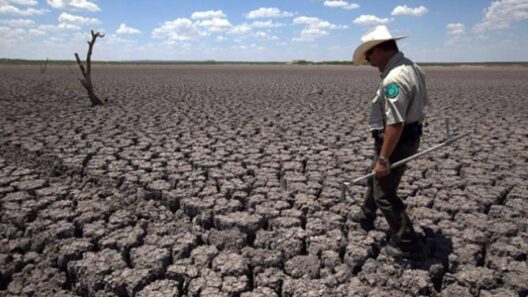
One of the most pronounced changes expected by 2050 is the unequivocal rise in global temperatures. The Intergovernmental Panel on Climate Change (IPCC) has predicted a rise of approximately 1.5 degrees Celsius in average global temperatures if current trends persist. This perturbation will manifest in more frequent and severe heatwaves, adversely impacting human health, agriculture, and ecosystems. Regions that are already arid will become even more inhospitable, exacerbating water scarcity and leading to the augmentation of heat-related illnesses.
Sea Level Rise
In addition to elevated temperatures, rising sea levels represent another dire consequence tied to climate change. Glacial and polar ice melt, coupled with thermal expansion of seawater, will contribute to significant increases in sea levels. Projections estimate that by 2050, sea levels could rise by as much as one meter, threatening low-lying coastal areas worldwide. Cities such as Miami, New Orleans, and parts of Southeast Asia could face chronic flooding situations—transforming daily life and infrastructure. Coastal economies will be particularly vulnerable, as the risk to homes, businesses, and livelihoods increases dramatically.
Biodiversity and Ecosystem Changes
The interconnection between climate change and biodiversity cannot be overstated. As ecosystems are pushed beyond their resilience limits, many species will face extinction. The loss of biodiversity is not merely an ecological concern; it disrupts food chains, natural pollination processes, and contributes to the overall destabilization of ecosystems. By 2050, myriad species may no longer exist in their current habitats, and entire ecosystems—such as coral reefs—may be irreversibly altered. This, in turn, will affect human communities that rely on these natural resources for food, tourism, and cultural identity.
Extreme Weather Events
The frequency and intensity of extreme weather events are set to escalate dramatically by 2050. Hurricanes, droughts, floods, and wildfires will exhibit more ferocity, resulting in catastrophic socio-economic impacts. Regions that currently experience seasonal storms may encounter unpredictable weather patterns, disrupting agriculture and increasing the risk of food insecurity. Urban areas will grapple with infrastructure that is ill-prepared for such irregularities, leading to heightened vulnerability in populated regions.
Agricultural Impacts
With climate change comes a significant threat to global food security. Fluctuations in temperature and precipitation patterns will yield uncertain agricultural outputs. Crop yields could suffer as soil quality declines, pests proliferate, and water resources dwindle. Farmers will need to adapt utilizing innovative techniques, such as shifting to more resilient crop varieties or embracing precision agriculture. However, not all regions will have equal access or resources to implement these strategies. Powers such as technological advancement and economic disparity will determine how effectively nations respond to these agricultural challenges.
Human Health Implications
The ramifications of climate change extend beyond environmental aspects and encroach upon public health. Poor air quality from increased heat and wildfires will exacerbate respiratory diseases. Additionally, the proliferation of vector-borne diseases—such as malaria and dengue fever—may expand into previously unaffected regions as changing weather patterns alter habitats conducive to disease vectors. Vulnerable populations, often living in less resilient areas, will be disproportionately affected, highlighting the urgent need for health systems to adapt and fortify against these climate-related health threats.
Mitigation Strategies and Global Cooperation
To avert the severe outcomes predicted for 2050, proactive measures must be taken. Collective international efforts, such as emission reduction strategies, sustainable urban planning, and green technology investment, are essential to mitigate climate change. Policymakers will be tasked with creating frameworks that facilitate a transition from fossil fuels to renewable energy sources. Solar, wind, and hydroelectric energy must become the cornerstone of energy production, supported by stringent regulations and public awareness campaigns.
Meanwhile, emphasizing local solutions—like tree planting, conserving biodiversity, and protecting wetlands—will enhance community resilience. It is imperative for societies to engage in holistic approaches, fostering not only technological advancements but also grassroots initiatives that empower local communities to combat environmental degradation.
In Conclusion
The climate of 2050 is fraught with uncertainty and potential peril, yet it is not predetermined. Through cohesive action and robust stewardship of our planet, we have the chance to shift the narrative. Comprehensive understanding of the multifaceted climate challenges we face will galvanize public sentiment and motivate action. Whether we realize a climate-defined apocalypse or pivot toward a resilient environmental future rests in our collective hands. The time to act is now.