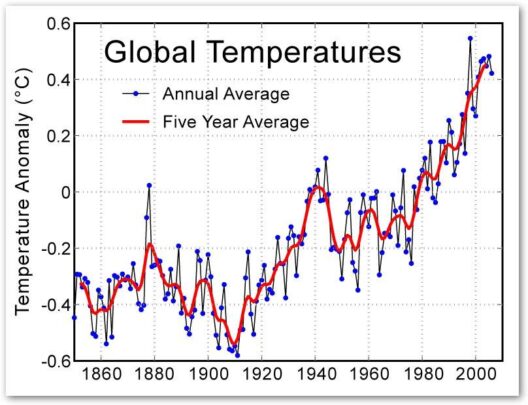



Amidst the rolling waves and verdant landscapes, tourism has thrived for centuries, alluring travelers with the promise of exhilaration, exploration, and escapism. However, as the planet warms, the repercussions on this once-bustling industry are becoming alarmingly apparent. The intersection between climate change and tourism creates a poignant metaphor: a once-vibrant tapestry fraying at the edges, depicting not just a loss of lively destinations, but an entire way of life at stake.
The economic ramifications of a warming planet are extensive and multifaceted. With rising temperatures, unexpected weather patterns, and shifting ecosystems, destinations that once basked in the glow of tourist funds now find themselves grappling with existential threats. Coastal regions, popular for their sun-kissed beaches, are succumbing to the insatiable encroachment of rising sea levels. Not only do these natural phenomena displace local communities, they also challenge the very foundations of a tourism-driven economy.
Consider the Caribbean, where idyllic shores once promised an endless summer. As the region becomes susceptible to more frequent and severe hurricanes, the impact reverberates far beyond sandy beaches. The potential for infrastructural damage, coupled with the subsequent decline in visitor numbers, generates a ripple effect that undermines local businesses. Restaurants, souvenir shops, and hospitality services—once bustling with life—face the grim reality of closures and layoffs.
Yet, the implications of climate change on tourism extend beyond coastal areas. The mesmerizing peaks of the Himalayas, revered for their breathtaking vistas and trekking opportunities, are precariously thawing. Glacial retreats signal more than just a superficial warming; they herald a future of water scarcity for communities reliant on these majestic mountains. The conundrum lies in the paradox of adventure tourism: as more thrill-seekers ascend these heights, the ecosystems are being irrevocably altered, prompting questions regarding sustainability. The allure of adventure encounters reality—sometimes cruelly harsh—when climatic factors dictate how and if dreams can materialize.
Moreover, urban tourism is facing its own trials. Cityscapes across the globe are under mounting pressure as air quality deteriorates and heatwaves intensify. Tourists flock to urban centers, lured by an intoxicating blend of culture, cuisine, and attractions. However, the diminished quality of life for local residents can overshadow the superficial gloss of tourism. The increase in tourist footfall exacerbates already strained resources, catalyzing pollution and congestion, which blunt the unique charm of these metropolitan hubs. The question arises: how long can a city sustain its dual identity as both a cultural epicenter and a victim of its own success?
As tourism begins to recognize the impending peril brought forth by climate change, some destinations are attempting to turn back the tide. Strategies are being put in place to make tourism more sustainable. Eco-tourism and community-based tourism initiatives are gaining traction, emphasizing a harmonious relationship between travelers and the environment. These models advocate for an enlightened approach to travel—one that fosters stewardship of local environments while ensuring economic viability for communities. Travelers are encouraged to immerse themselves in the culture, and in doing so, they contribute to preserving the very essence of the destinations they cherish.
However, the adoption of sustainable practices isn’t simply a panacea. A mindset shift is necessary. Travelers must evolve from passive consumers to conscientious participants in the ecosystem. This evolution requires a willingness to engage with the socio-environmental context of their travels. A tourist’s decision to explore a location shouldn’t merely hinge on its aesthetic appeal but should encompass a holistic understanding of its environmental narrative. The choices made while traveling can either enhance or undermine the health of the planet. A conscious consumer can manifest a transformative ripple effect that challenges conventional tourism practices.
Inextricably linked to this dialog is the pressing need for policy reform. Governments and tourism boards are poised to play a pivotal role in shaping the future of travel amidst climate unpredictability. Innovative policies that prioritize sustainability can guide the industry toward a more resilient trajectory. This necessitates investment in green infrastructure, promoting renewable energy sources, and fostering collaborations with local communities in the decision-making process. By enshrining the values of conservation and environmental protection, a symbiotic relationship can emerge that benefits all stakeholders.
Yet, the urgency for these changes cannot be overstated. As the planet continues to warm, the clock ticks inexorably onward, casting a shadow of uncertainty over the tourism sector. A future without adaptive strategies poses grave risks, not only to the economy but to cultural heritage and biodiversity. Destinations that once epitomized the beauty of our planet risk fading into obscurity if allowed to stagnate in an unsustainable paradigm.
In conclusion, the impact of climate change on tourism is profound and far-reaching. The interconnectedness of our economies, ecosystems, and cultural identities underscores the urgency of transformation. Climate change is not merely an environmental issue but a socio-economic reality that demands immediate action. As each person contemplates their next adventure, the responsibility to embark on a journey that honors the planet becomes paramount. Only through sustainable practices, policy innovations, and enlightened perspectives can the ravages of a warming world be mitigated, preserving the unique allure of our planet for future generations to explore and cherish.