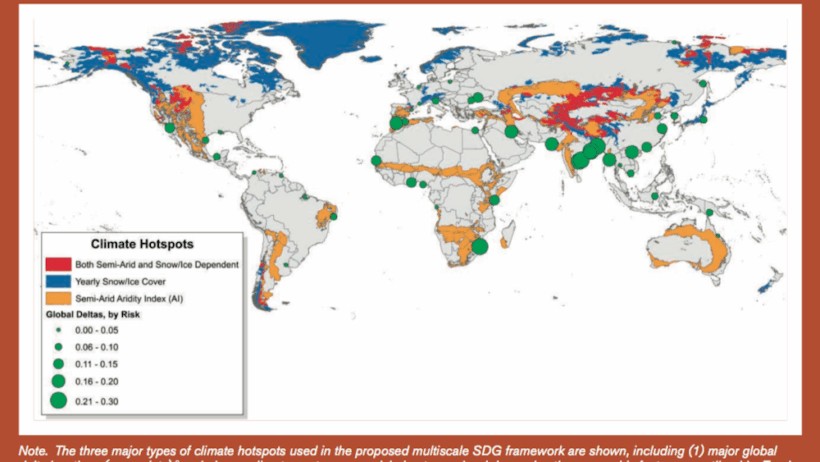

Climate change is a pervasive phenomenon that affects every corner of our planet, but not all regions experience its effects equally. Some areas are particularly vulnerable, facing drastic changes that could redefine their ecosystems, economies, and even societies. These regions, often referred to as “climate change hotspots,” highlight the urgent need for awareness and action. So, where is climate change happening right now? What hotspots should you have on your radar? Let’s take a closer look at these critical areas.
1. The Arctic: A Frigid Bellwether
The Arctic is one of the most iconic climate change hotspots. This region is warming at nearly twice the global average due to a phenomenon known as Arctic amplification. The melting of sea ice not only threatens indigenous species such as polar bears and seals but also contributes to rising sea levels as ancient ice melts away. The consequences extend beyond the land and water; geopolitical tensions are rising as countries vie for access to untapped resources beneath the thawing Arctic waters.
2. Coastal Cities: The Sinking Sites
Many coastal cities are facing dire situations. From New Orleans to Miami, these urban areas contend with rising sea levels and increased storm intensity. For instance, Miami often experiences “sunny day flooding” due to high tides, illustrating the imminent threat posed by climate change. As more individuals migrate to coastlines in search of opportunities, the challenge only intensifies. Who will champion the resilience of these beautiful yet vulnerable cities?
3. The Amazon Rainforest: The Lungs of Earth
The Amazon rainforest is not only a vital carbon sink but also a remarkable biodiversity hotspot. However, deforestation driven by agricultural expansion, mining, and logging threatens its existence. Climate change exacerbates drought conditions, which can ignite wildfires that further decimate vast swathes of this irreplaceable habitat. Protecting the Amazon is crucial not only for the indigenous communities who depend on it but also for the planet’s overall health. What strategies can we deploy to safeguard this ecological treasure?
4. Sub-Saharan Africa: Vulnerability and Resilience
This region faces multifaceted challenges, where climate impacts manifest through irregular rainfall patterns and prolonged droughts. Agriculture, the lifeblood of many sub-Saharan nations, is under siege. Malnutrition rates are climbing as crops fail, leading to food insecurity and economic instability. Yet, amidst these struggles, communities are innovating through traditional practices and new technologies. How can their resilience be fostered to combat climate change effectively?
5. South Asian Monsoon Regions: The Unpredictable Weather Patterns
The monsoon seasons in South Asia are becoming increasingly erratic. Historically predictable rainfall patterns are now disrupted, causing both floods and droughts. Countries like India and Bangladesh experience devastating consequences, from crop failures to displacement of millions of people. With climate change posing a profound threat to food and water security in the region, what adaptive strategies can be implemented to mitigate these challenges?
6. The Mediterranean Region: Rising Temperatures and Water Scarcity
The Mediterranean is experiencing a stark rise in temperatures, leading to prolonged droughts and wildfires. This area, known for its rich history and diverse ecosystems, faces a dual threat: the degradation of its environment and the pressures of a burgeoning tourist industry. As water resources dwindle, conflicts over this precious commodity could intensify. How will societies navigate these challenges while preserving cultural heritage?
7. The Great Barrier Reef: An Underwater Elysium at Risk
The Great Barrier Reef is a UNESCO World Heritage site that is succumbing to coral bleaching—a direct consequence of rising ocean temperatures and acidification. This ecological marvel supports diverse marine life but faces existential threats from climate change. The loss of the reef would not only have dire implications for biodiversity but also for tourism and local economies. What bold actions can be taken to restore and protect this vital ecosystem?
8. The Polar Regions: The Final Frontiers
Both the Arctic and Antarctic regions are being transformed by climate change. In Antarctica, ice shelves are collapsing, contributing to potential sea level rise that could inundate coastlines worldwide. In contrast, the Arctic’s melting permafrost threatens to release vast quantities of greenhouse gases, intensifying the climate crisis. The polar regions are indicators of change, signaling that urgent action is needed. What role can international treaties and cooperative efforts play in preserving these fragile environments?
Moving Forward: Collective Responsibility
With climate change hotspots emerging across the globe, it is imperative for individuals, communities, and governments to unite in addressing this existential challenge. Awareness is the first step, and understanding the geographic nuances of climate impacts can catalyze meaningful action. Utilizing innovative technologies, supporting sustainable practices, and advocating for environmental protections are key actions we can undertake. In doing so, we can challenge ourselves to look beyond our immediate surroundings and consider our collective impact on the planet. How will we respond to the clarion call of these hotspots? The time to act is now.