

The Earth’s climate is a multifaceted system influenced by a myriad of factors that interact in complex ways. Understanding these factors is crucial for addressing climate change, as they determine weather patterns, temperature fluctuations, and overall climatic conditions. This exposition delves into the principal elements shaping Earth’s climate, categorized into natural and anthropogenic influences.
1. Solar Radiation
At the core of climatic phenomena lies solar radiation. The Sun is the primary source of energy for Earth’s climate system. Solar radiation is not evenly distributed across the planet due to variations in the Earth’s tilt, orbit, and surface characteristics. Regions near the equator receive more direct sunlight throughout the year, resulting in warmer temperatures. Conversely, higher latitudes, where sunlight strikes at a more oblique angle, experience cooler temperatures. This differential heating creates temperature gradients, which are fundamental to atmospheric circulation patterns.
2. Ocean Currents
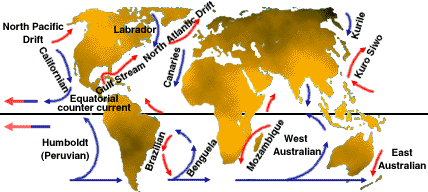
Another significant factor is the role of ocean currents. Oceans absorb and redistribute solar energy across the globe. Surface currents, driven by wind patterns and the Coriolis effect, transport warm water from the equator toward the poles, while cold water moves from polar regions back toward the equator. This circulation influences regional climates; for instance, the Gulf Stream warms the climate of Northwestern Europe, making it milder than other regions at similar latitudes. Changes in ocean currents, induced by factors such as climate change and tectonic activity, can dramatically impact weather patterns.
3. Atmospheric Composition
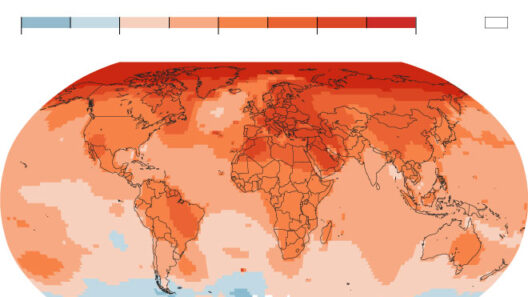
The composition of the atmosphere is a critical determinant of climate. Greenhouse gases (GHGs) such as carbon dioxide (CO2), methane (CH4), and nitrous oxide (N2O) trap heat in the atmosphere, creating the greenhouse effect, which is essential for maintaining life as we know it. However, anthropogenic activities, particularly the burning of fossil fuels and deforestation, have led to an increase in GHG concentrations, intensifying this natural process and contributing to global warming.
4. Albedo Effect
Albedo refers to the reflectivity of Earth’s surface. Different surfaces reflect varying amounts of solar radiation; for instance, ice and snow have a high albedo, reflecting much of the sunlight, while forests and oceans absorb more heat. As climate change progresses, ice caps and glaciers melt, reducing Earth’s albedo and leading to further warming in a feedback loop. This reduction in reflective surface is alarming, as it exacerbates the impacts of rising temperatures and alters weather systems.
5. Geographical Features
The Earth’s topography, including mountains, valleys, and plains, profoundly influences climate. Mountain ranges can create rain shadows; as moist air rises over mountains, it cools and loses moisture on the windward side. The leeward side remains dry, leading to arid conditions. Such geographical barriers can create microclimates, wherein localized climate conditions differ markedly from surrounding areas. Furthermore, elevation plays a significant role; higher altitudes tend to be cooler, impacting biodiversity and vegetation types.
6. Land Use Changes
Human activities, including agriculture, urbanization, and deforestation, have altered land use patterns and, consequently, climate. For instance, urbanization leads to the urban heat island effect, where cities experience higher temperatures than surrounding rural areas due to concrete and asphalt absorbing and retaining heat. Deforestation disrupts local and global carbon cycles, diminishing forests’ capacity to sequester carbon, thus exacerbating climate change.
7. Volcanic Activity
Volcanic eruptions are natural phenomena that can have significant short-term climatic effects. When volcanoes erupt, they release large quantities of ash and sulfur dioxide into the atmosphere, which can lead to temporary global cooling by reflecting solar radiation away and enhancing cloud formation. The impact of such events is temporary; however, they are a reminder of the Earth’s dynamic systems and their ability to alter climate in the short term.
8. El Niño and La Niña Phenomena
The El Niño Southern Oscillation (ENSO) encompasses periodic fluctuations in sea surface temperatures and atmospheric pressure in the Pacific Ocean, significantly influencing global weather patterns. El Niño typically causes warmer ocean temperatures and a plethora of climatic effects, such as increased rainfall across some regions and drought in others. La Niña, characterized by cooler ocean temperatures, often brings opposite climatic effects. These phenomena underscore the complexity of climate interactions and the interconnectedness of global weather systems.
9. Human Impact on Climate Systems
The cumulative effect of human activities has led to accelerated climate change. Industrialization, high carbon emissions, and pollution have dramatically altered natural processes. Transitioning to sustainable energy sources, reducing emissions, and implementing conservation practices are crucial strategies to mitigate these impacts. Awareness and action at local, national, and global levels are essential to safeguard environmental integrity.
10. Conclusion
Understanding the various factors shaping Earth’s climate enhances our comprehension of the complexities inherent in climate science. From solar radiation to human influences, it is evident that our planet’s climate is shaped by both natural forces and human activity. As climate change accelerates, acknowledging these factors is imperative for developing effective strategies to mitigate adverse impacts and foster resilience in our ecosystems.