

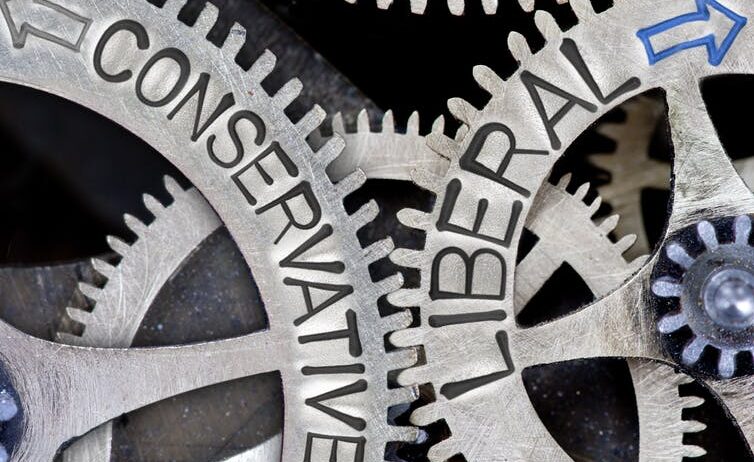

The debate over climate change has increasingly polarized political ideologies, particularly in the United States, where conservatives often express skepticism regarding the scientific consensus on global warming. This divergence is not merely a matter of differing opinions; it encompasses a complex constellation of psychological, cultural, and ideological factors that underpin why many right-leaning individuals are predisposed to doubt climate change. Understanding these elements can reveal strategies for effective communication and engagement in the discourse surrounding environmental issues.
At the crux of the skepticism lies a profound ideological commitment to individualism and free market principles. Many conservatives champion personal responsibility and economic liberty, often viewing governmental intervention in the form of climate policies as an encroachment on personal freedoms. The libertarian strand of conservatism, in particular, promotes the belief that market mechanisms, rather than government regulations, should dictate environmental outcomes. This perspective leads to resistance against climate policies that are perceived to mandate behavioral change or impose economic burdens, as such policies are viewed as threats to both personal autonomy and economic growth.
Moreover, the phenomenon of motivated reasoning plays a significant role in conservative skepticism towards climate change. This cognitive bias suggests that individuals are inclined to accept information that aligns with their pre-existing beliefs while dismissing contrary evidence. Studies have shown that people are more likely to trust scientific findings that resonate with their values. Since climate change often aligns with progressive agendas that advocate for expansive governmental roles, many conservatives may regard it with suspicion. Instead of viewing climate science as an objective truth, skeptics often categorize such conclusions as ideological declarations, thereby reinforcing their stance against governmental intervention.
Social identity theory also provides valuable insights into the reluctance to acknowledge climate change among conservatives. Political affiliations function similarly to religious or cultural identities; loyalty to one’s ideological group can supersede willingness to adopt views that conflict with group norms. Among those identifying as conservative, admitting to the reality of climate change can be tantamount to disavowing their community’s shared beliefs. This social dynamic creates an echo chamber where dissenting viewpoints are marginalized, and adherence to group consensus is paramount, further entrenching skepticism.
Another critical factor is the influence of media ecosystems on perceptions of climate change. Conservative media often cultivates narratives that cast doubt on the validity of climate science, framing ecologically-minded policies as alarmist or exaggerated. Prominent figures within conservative circles have built careers on challenging the consensus, offering alternative interpretations of climatic phenomena. This selective exposure to information cultivates an environment where skepticism flourishes, often at the expense of comprehensive understanding. Individuals within these ecosystems may find support and validation in their doubts, reinforcing the perception that climate change is not a pressing concern.
In addition to cultural and psychological factors, socioeconomic considerations also play a vital role in shaping attitudes towards climate change. Many conservatives reside in regions traditionally centered on fossil fuel industries or natural resource extraction. The prospect of transitioning towards renewable energy sources can evoke fears of job losses and economic instability. Hence, climate action is often equated with economic detriment. In this regard, skepticism may serve as a form of self-preservation, coupled with a desire to defend perceived threats to livelihoods.
The interplay of these elements can perpetuate a self-reinforcing cycle of disbelief. When climate skeptics are confronted with alarming scientific data—such as rising global temperatures or extreme weather events—they may interpret these findings through a different lens. Instead of perceiving them as urgent calls for action, they may dismiss them as politically motivated narratives, hence entrenching their skepticism further. This profound cognitive dissonance exemplifies the challenges faced when attempting to bridge the ideological chasm that characterizes the climate change debate.
Addressing this skepticism requires a multifaceted approach that appreciates the complexities of ideological commitment, cognitive biases, and socio-economic contexts. Open dialogue that acknowledges conservative values while presenting climate science as fundamental to economic resilience and national security can pave the way for more productive discussions. Emphasizing the potential for innovation and job creation within the renewable energy sector can also resonate with conservative audiences. Framing climate action as an opportunity rather than a burden may help bridge the divide and foster collective responsibility towards environmental stewardship.
Ultimately, the challenge of addressing conservative skepticism regarding climate change is not insurmountable, but it demands empathetic engagement and a willingness to acknowledge the genuine fears that underlie opposition. Understanding the roots of skepticism can enhance efforts to communicate effectively and promote informed discussion about climate issues. As advocates for the environment, it is vital to transcend partisanship and cultivate a united front against the existential risks posed by climate change, contributing to a more sustainable future for all.