


The narrative surrounding climate change has evolved dramatically over the past few decades. Questions about whether the situation will get better or worse are not merely a matter of scientific conjecture; they are entwined with social, political, and economic dimensions that influence our future. As we traverse this complex terrain, it becomes imperative to dissect the multifaceted nature of climate change, examining both the threats it poses and the glimmers of hope that suggest a different trajectory may be feasible.
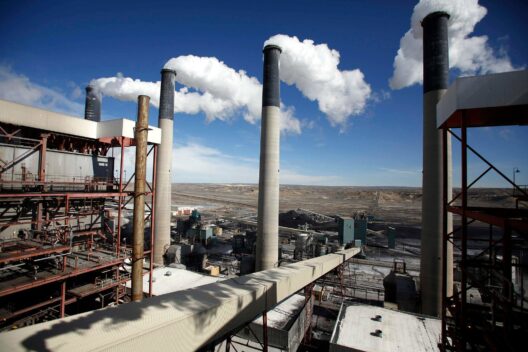
To comprehend the potential futures we face regarding climate change, one must first grasp the fundamental science underlying it. The atmosphere, a delicate composition of gases, is increasingly saturated with carbon dioxide, methane, and other greenhouse gases due to anthropogenic activities. These emissions trap heat and lead to rising global temperatures, a phenomenon that manifests in altered weather patterns, melting ice caps, and more frequent natural disasters. The Intergovernmental Panel on Climate Change (IPCC) provides dire scenarios that predict significant increases in global temperatures if drastic measures are not undertaken to curtail emissions. The trajectory is indeed ominous, igniting fears of a more hostile environment.
Nevertheless, despite the gravity of these projections, there lies a counter-narrative encapsulated in human ingenuity and resilience. Among world leaders, businesses, and communities, there is an emerging recognition of the need for immediate and substantial action to mitigate climate impacts. This collective commitment has led to burgeoning initiatives focused on renewable energy, sustainable practices, and innovations in technology aimed at reducing our carbon footprint drastically.
Consider the rapid advancements in solar and wind energy. These renewable sources are no longer merely alternatives; they are rapidly becoming the backbone of energy production in many nations. In some regions, investment in solar farms has eclipsed traditional fossil fuel investments, suggesting a paradigm shift in energy consumption. This transition is not just about reducing carbon emissions; it also holds profound economic implications, potentially leading to job creation in emerging industries.
Within this context, a shift in societal attitudes toward consumption and sustainability is equally vital. The rise of the zero-waste movement, circular economies, and an increasing preference for plant-based diets reflect a growing awareness about individual and collective responsibilities regarding environmental stewardship. This expanded consciousness encourages individuals to reevaluate their consumption patterns and to engage in advocacy for sustainable practices in their communities. Such grassroots movements amplify pressure on corporations and governments to adopt eco-friendly policies and practices, heralding a transformation in the socio-political landscape concerning climate action.
Yet, while advancements and shifts in attitude are promising, they must be tempered with realism. The inertia of existing systems and vested interests in traditional fossil fuels pose substantial barriers to significant progress. Governments beholden to oil and gas lobbies often falter in implementing comprehensive climate policies. Additionally, developing nations, which contribute the least to greenhouse gas emissions, face disproportionate impacts from climate change while lacking the resources to adapt. Such disparities complicate global climate negotiations and raise critical questions about equity, responsibility, and the morality of inaction.
The potential for climate change to worsen or improve hinges on immediate and sustained action at all levels. From local grassroots movements to international treaties, each effort contributes to the overarching battle against environmental degradation. The 2015 Paris Agreement exemplifies a global acknowledgment of these responsibilities, aiming to limit global warming to well below 2 degrees Celsius above pre-industrial levels. Yet, adherence to such agreements remains sporadic and fraught with complexities.
In the face of such challenges, one must ponder: will humanity rise to meet these demands? The answer may depend significantly on our ability to remain steadfast in our commitments and to prioritize collaborative solutions rather than nationalistic agendas. Innovative technological solutions, such as climate-friendly agriculture and transportation, will be crucial. The promise of carbon capture and storage, where carbon dioxide is removed from the atmosphere, highlights the latent potential for humanity to adapt its technological prowess to counteract its environmental impact.
Interestingly, cultural narratives and storytelling play an equally critical role in shaping perceptions and mobilizing efforts toward climate action. By fostering a deep emotional connection to the environment, communities can effectively galvanize support for policies that prioritize sustainability. Art, literature, and media can vitally underpin movements by casting climate change not merely as an abstract scientific issue but as a tangible crisis that affects lives, livelihoods, and future generations.
In conclusion, the question of whether climate change will get better or worse is a pivotal one. It encapsulates the intersections of science, policy, society, and emotion. Our trajectory will be determined by a confluence of technological advancements, societal shifts, and unwavering commitment to collective action. While the impending threats of climate change loom large, the potential for positive change exists, fueled by innovation, resilience, and an enduring belief in our collective agency. The future remains uncertain, yet hope persists, waiting to be harnessed through concerted efforts. By embracing a proactive stance rather than a reactive one, humanity can steer itself toward a sustainable and equitable future, one step at a time.