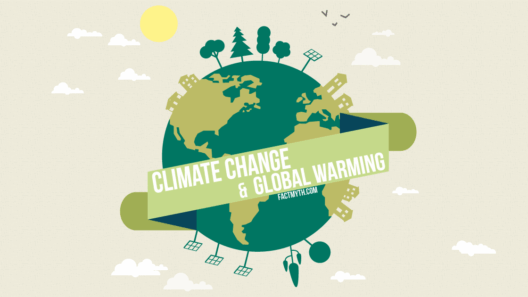


As we contemplate the future of our urban landscapes, one pressing question emerges: will climate change sink our cities? It’s more than just a hypothetical query; it’s an urgent inquiry that demands our collective attention. The fact is, rising sea levels are not merely inconvenient truths — they pose immediate threats to coastal communities and the fabric of our societies. Understanding the implications of these changes requires a nuanced exploration of scientific data, geographic interpretations, and societal resilience.
To grapple with this issue, we must first understand the forces driving sea level rise. Primarily, there are two significant contributors: thermal expansion of seawater and the melting of ice sheets and glaciers. As global temperatures escalate, oceans absorb heat, causing water to expand and take up more space. Concurrently, the polar ice caps, particularly in Greenland and Antarctica, are undergoing rapid ablation. As these massive bodies of ice diminish, they pour additional water into the ocean, facilitating a daunting rise in sea levels worldwide. According to projections, sea levels could rise by as much as three feet by the end of this century if current trends persist. This is not just a statistic; it is a clarion call for action.
Now, consider the geographical diversity of our urban centers. From New York City to Miami, the characteristics of these cities play a pivotal role in their vulnerability. Low-lying coastal areas are particularly susceptible. Imagine a scenario where areas that once flourished with bustling markets and vibrant communities are transformed into ghost towns, submerged beneath the relentless tide. This evokes a critical factor: resilience. How will we fortify our cities against these inexorable changes?
In addition, infrastructural considerations are paramount in our examination of coastal urban resilience. Many cities are built on land that is already sinking due to sediment compaction and groundwater depletion, which exacerbates the effects of rising seas. A combination of these dynamic factors creates a precarious situation for urban planning. Urban planners and engineers increasingly grapple with innovative solutions — from constructing sea walls and levees to implementing more sustainable drainage systems. Furthermore, the integration of green infrastructure, such as wetlands restoration and urban forests, is receiving increased attention as a means to absorb excess water while enhancing biodiversity.
But as we strategize on fortification, it is vital to highlight another dimension of this discourse: social equity. Climate change does not affect all populations equally; marginalized groups often bear the brunt of environmental disasters. Sea level rise can exacerbate existing socioeconomic disparities, plunging vulnerable communities into deeper economic despair. This stark reality raises questions about whose voices are prioritized in urban planning and climate resilience initiatives. As cities evolve, they must prioritize inclusivity, ensuring that every resident has a seat at the table when it comes to shaping the future.
The potential displacement of populations is another harrowing implication of rising sea levels. Estimates suggest that millions may become climate refugees, forced to leave their homes and seek refuge elsewhere. This scenario not only affects the individuals and communities displaced but also places immense pressure on inland areas that may not have the infrastructure or resources to accommodate an influx of newcomers. We must contemplate the geopolitical ramifications of such mass migrations, as tensions can escalate in the face of dwindling resources and increasing competition for habitable land.
While we survey these grim realities, we must also promote proactive measures that can mitigate the adverse impacts of sea level rise. International collaborations and frameworks, such as the Paris Agreement, underscore the necessity for countries to work together. Innovations in technology and sustainable practices offer hope — from renewable energy solutions to advanced forecasting and monitoring systems that can provide early warnings for extreme weather events.
Moreover, public awareness and education play pivotal roles in galvanizing action against climate threats. Communities must be informed about the realities of climate change and engaged in dialogue around adaptation and mitigation strategies. Each individual can contribute — whether by minimizing their carbon footprints, supporting local environmental initiatives, or advocating for governmental. When collective efforts unite, the potential to instigate significant change amplifies.
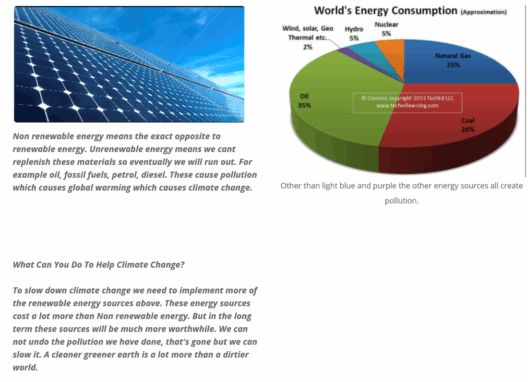
Yet, confronting this challenge requires more than just localized actions; it mandates systemic change across industries. The energy sector must transition from fossil fuels to renewable sources, while the construction industry must adopt sustainable practices. Urban planners need to envision cities that prioritize resilience and sustainability in design, ensuring that infrastructure can withstand the ravages of climate change.
Will climate change sink our cities? In a literal sense, unchecked climate change could lead to the inundation of our coastal urban centers. However, it is not solely a matter of inevitability; the outcome is contingent upon our actions today. As we grapple with complex questions surrounding adaptation and resilience, the urgency of the issue cannot be overstated. There is still time to course-correct, but it requires unwavering commitment, innovative thinking, and a collective will to face the challenge. The tide is rising, and our response must be equally dynamic and determined. Only through concerted efforts can we hope to safeguard our cities and ensure a sustainable future for generations to come.