
Wind power has emerged as a formidable ally in the quest to combat global warming, capturing the fascination of environmentalists and scientists alike. The rationale behind this enthusiasm is multifaceted, rooted in both ecological imperatives and socioeconomic dynamics.
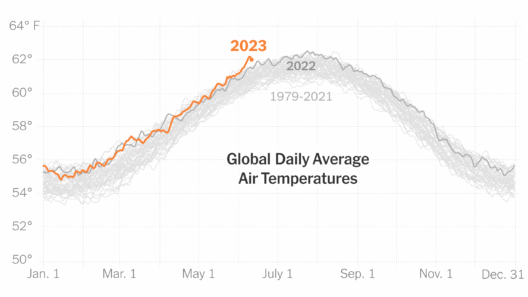
At its core, wind power harnesses the kinetic energy of the atmosphere, converting it into mechanical energy through turbines. This process generates electricity without emitting greenhouse gases, a striking contrast to fossil fuel combustion, which continues to exacerbate the planet’s thermal plight. As the planet’s temperature rises, driven largely by carbon dioxide and methane emissions, the urgency for cleaner alternatives becomes ever more pronounced.
One cannot overlook the historical context in which wind energy has evolved. Windmills have been utilized for centuries, primarily for agricultural purposes and grain milling. However, the modern iteration of wind power began to gain traction in the late 20th century, coinciding with escalating concerns about climate change and energy sustainability. This transition from traditional wind usage to substantial wind farms reflects a paradigm shift in our approach to energy production.
As nations grapple with energy crises and the imperatives of climate action, the investment in wind energy infrastructure is not just a trend; it is a strategic necessity. Technological advancements have rendered wind turbines more efficient and less obtrusive. These innovations have turned previously underutilized areas into bustling hubs of renewable energy generation, showcasing the versatility of wind power.
Yet, the fascination with wind power extends beyond its efficiency and operational capacity. It symbolizes a broader societal shift toward sustainability and a recognition of our collective responsibility to the planet. Wind energy embodies the paradox of human ingenuity; what once was a mere natural phenomenon is now intricately woven into the fabric of modern energy systems. This transformative process reflects deeper societal values, underscoring the human capacity to adapt, innovate, and confront existential challenges.
The environmental benefits of wind energy are profound. Wind turbines produce energy with minimal land disruption, while still providing opportunities for agricultural activities beneath them, thus promoting dual land use. Additionally, the lifecycle emissions associated with wind power are significantly lower than those of fossil fuels. Studies have shown that the deployment of wind energy has led to a marked decrease in air pollution, thereby improving public health outcomes and reducing healthcare costs linked to respiratory ailments and other pollution-related diseases.
Critics often express skepticism regarding the reliability of wind energy. The variable nature of wind is cited as a limitation, raising questions about the consistency of power supply. However, advancements in energy storage technology and grid management have made it possible to mitigate these concerns. Effective energy storage systems can cushion the ebbs and flows of wind energy generation, enabling utilities to provide a stable power supply. Consequently, the integration of wind power into traditional energy portfolios has become increasingly feasible and economically viable.
The economic implications of wind power are equally noteworthy. The renewable energy sector has emerged as a vital growth engine in many economies. Job creation in manufacturing, installation, and maintenance of wind farms contributes significantly to local and national economies. Moreover, wind installations have low operational costs after the initial capital investment, offering a competitive alternative to fossil fuels which are subject to price volatility.
The juxtaposition of local benefits against the backdrop of global warming encapsulates the essence of wind energy’s intrigue. Communities that embrace wind power often experience an increase in local investment and energy independence, which can fortify regional economies. This localized approach not only bolsters resilience but also aligns with the global imperative to reduce reliance on carbon-intensive energy sources.
Furthermore, the conceptual allure of wind energy is entwined with the idea of stewardship. Emphasizing our role as custodians of the Earth fosters a sense of connection to the environment. The rotating blades of a wind turbine reflect the dynamic relationship between humanity and nature, inviting broader conversations about ecological preservation and sustainable practices. This fascination encourages individuals to reevaluate their consumption patterns and consider how personal choices impact the ecosystem.
On a geopolitical scale, the transition to wind power also holds the potential for transformative international relationships. The quest for sustainable energy solutions encourages collaboration among nations, guiding dialogues toward shared environmental goals. Resources that were once source points of contention can become conduits for cooperation, as countries work together to develop and integrate clean energy technologies.
In conclusion, wind power represents more than just an alternative energy source; it is a beacon of hope in the fight against global warming. Its credibility is bolstered by the confluence of ecological necessity, economic viability, and societal transformation. As human civilization stands at a crucial crossroads, the shift towards wind energy encapsulates our potential to embrace sustainable practices while fostering a deeper connection with our planet. Understanding this dynamic allows for a nuanced appreciation of wind power’s role in shaping a sustainable future, manifesting a collective commitment to reducing the impacts of climate change.