



In the modern world, our choices carry implications that extend far beyond the immediate consequences of daily life. Each decision we make, whether trivial or monumental, reverberates throughout the ecosystem, interplaying with the intricate tapestry of our climate. Understanding this intersection of personal choices and environmental impact requires a multifaceted approach, scrutinizing everything from the materials used in our homes to the vehicles we drive. A profound shift in perspective is essential to grasp the full magnitude of our actions on the planet.
At the heart of climate change lies the concept of carbon emissions. The construction industry, for instance, is a significant contributor to greenhouse gases. Cement, a primary material in construction, is notoriously carbon-intensive. The production of cement accounts for approximately 8% of global carbon dioxide emissions. When we opt for concrete structures, we inadvertently endorse a cycle of emissions that perpetuates global warming. However, emerging alternatives like rammed earth and bamboo can reduce our environmental footprint significantly. By making informed choices about building materials, we can pivot towards sustainable construction practices that align with our ecological responsibilities.
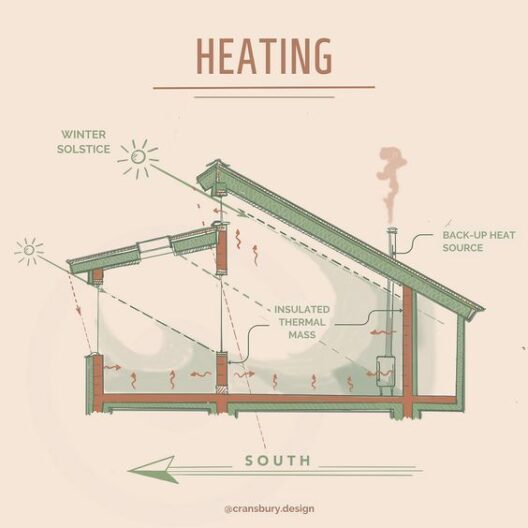
In addition to cement, the insulation and cladding of buildings play a crucial role. The type of cladding chosen not only affects aesthetics but also energy efficiency. Materials that reflect heat in warmer climates, for example, can drastically decrease energy consumption, leading to reduced reliance on air conditioning systems. This creative synergy between design and environmental consciousness beckons us to reconsider how we view exterior cladding. Moreover, embracing local materials can defer the carbon emissions associated with transportation, fostering a commitment to both sustainability and local economies.
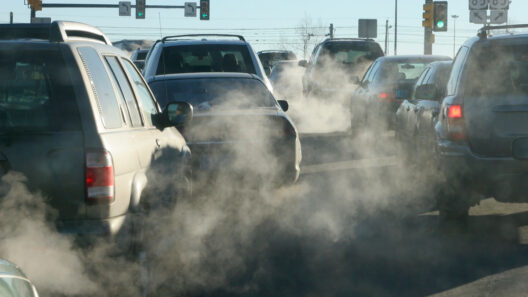
Shifting gears, the transportation sector merits our attention. Automobiles, diminutive yet formidable, are major stakeholders in the fight against climate change. The internal combustion engine has dominated this landscape for over a century, contributing substantially to air pollution and fossil fuel consumption. As we navigate urban environments, we must confront the reality that our choices in transportation can either exacerbate or mitigate climate threats. Transitioning to electric vehicles (EVs) and embracing public transportation options represents an opportunity for unprecedented change. Not only do these alternatives generate fewer emissions, but they also foster a culture of sustainability within our communities.
Public transportation itself is often underappreciated. Investing in effective and efficient public transit systems can reduce individual carbon footprints while simultaneously alleviating traffic congestion and urban pollution. The transformation of cities into walkable environments invites active transportation methods such as cycling and walking, which are not only healthy but also contribute to cleaner air. By redefining urban planning to prioritize these methods, we can catalyze a paradigm shift towards sustainable living.
Furthermore, the consumption habits we cultivate in our personal lives have profound implications. The relationship between consumer goods and climate change is intricate and often overlooked. Fast fashion, for instance, epitomizes the unsustainable cycles we perpetuate. The textile industry is one of the largest polluters on the planet, contributing to water pollution and extensive waste. By opting for sustainable fashion choices, such as second-hand clothing or ethically produced garments, consumers can wield significant influence over the environmental impact of their wardrobes. This conscious consumption extends to all sectors, from food to electronics, where making deliberate choices can reduce waste and energy consumption.
The food industry, especially, merits significant scrutiny. The method of food production profoundly affects emissions, with animal agriculture being a primary contributor to greenhouse gases. Livestock farming emits considerable methane, a gas more potent than carbon dioxide nestled in its heat-trapping capabilities. The choice to adopt a plant-based diet or support local, sustainable farms can alleviate some of these pressures. Additionally, reducing food waste through mindful consumption and storage practices can serve to further mitigate climate impact. Embracing practices that align with sustainable agricultural methods is paramount, including composting and seasonal eating, which fosters respect for local ecosystems.
As we connect these threads — construction, transportation, consumer choices, and food production — a clearer picture emerges. Each element is interwoven into a larger narrative of climate impact. By comprehending our role in this complex web, we can redefine our choices to mitigate our ecological footprint. Addressing climate change mandates collective action and individual accountability, fostering a culture where sustainability becomes second nature. The simple act of choosing reusable products over single-use plastics exemplifies this mindset shift, reducing waste and advocating for environmental custodianship.
Societal transformation often starts with education and awareness. Engaging in discussions that raise consciousness about environmental issues is essential. Whether through community-led initiatives or educational programs, fostering a societal understanding of climate impacts melds individual actions with collective responsibility. This discourse should encompass the importance of advocating for policy changes that promote sustainable practices across industries and communities.
In conclusion, the relationship between our choices and their impact on climate change is profound and multifaceted. Every decision, from the materials used in construction to our modes of transport and consumption habits, contributes to a larger environmental narrative. By embracing sustainable practices, advocating for collective action, and fostering a renewed perspective on our responsibilities, we can catalyze significant change. Let us embark on this journey, acknowledging that our choices do indeed shape the climate, with the potential to forge a more sustainable future for generations to come.