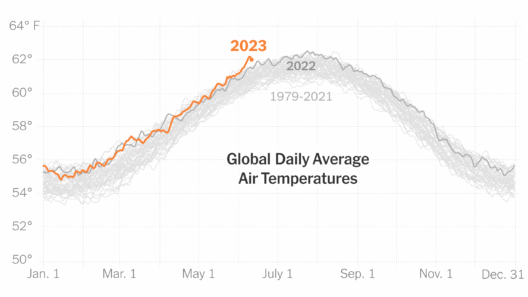


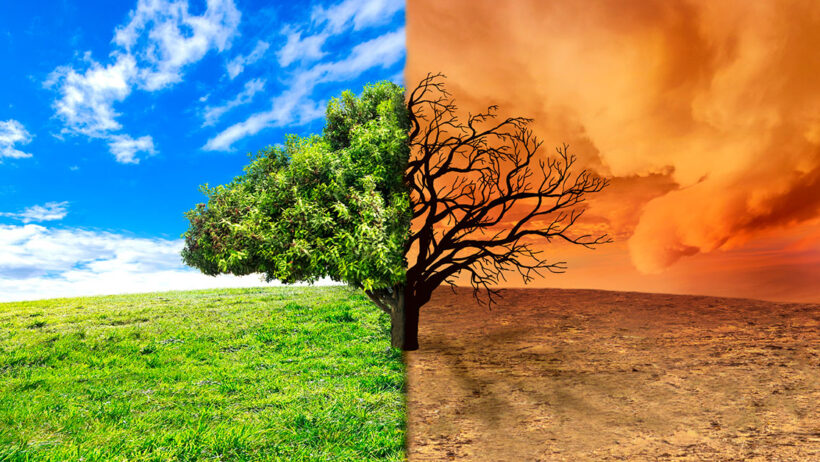

Your everyday choices wield profound implications on the planet’s climate. As global temperatures rise and environmental degradation accelerates, an increasing number of individuals are scrutinizing their own habits and consumption patterns. What may seem like inconsequential decisions can collectively precipitate significant consequences in the grand tapestry of climate change. This examination reveals the intricate relationships between individual actions and their contributions to global warming.
Consider the foundational aspect of your diet. The foods you consume not only nourish your body but also generate varying degrees of carbon emissions. For example, red meat production is notoriously resource-intensive, requiring substantial land, water, and feed. The methane emitted by cattle during digestion is a potent greenhouse gas, contributing to global warming with a warming potential many times that of carbon dioxide. Conversely, plant-based diets generally exhibit a lower carbon footprint. By opting for vegetables, grains, and legumes, individuals can markedly reduce their dietary impact on climate change.
Yet, food choices extend beyond mere nutritional preferences; they reflect complex socio-economic factors. Urbanization and global supply chains have rendered certain foods more accessible while making others rare. For instance, the global craze for avocados has driven up their demand, leading to unsustainable farming practices in regions ill-equipped for such intensive cultivation. Thus, what many perceive as a simple choice—what to eat for breakfast—entails a maze of ecological and economic consequences.
Furthermore, the purchasing decisions concerning packaging reinforce the ecological challenges we face. Each item you select at the grocery store often comes ensconced in layers of plastic and other materials that require energy-intensive manufacturing processes. Once discarded, these materials frequently end up in landfills or oceans, taking centuries to decompose while leaching toxins into their surroundings. The staggering amount of plastic pollution exacerbates climate change as well, for the production of plastic is inherently carbon-intensive.
Equally significant is transportation. The average person’s commute, whether by car, public transport, or bicycle, represents a pivotal choice with environmental ramifications. Cars powered by fossil fuels emit a substantial volume of carbon dioxide, a leading contributor to atmospheric warming. Opting for public transportation or engaging in cycling not only curtails individual carbon footprints but also alleviates urban congestion, fostering healthier environments.
Moreover, the notion of consumerism extends beyond immediate purchases. The lifecycle of products—encompassing production, transportation, use, and disposal—inevitably ties back to climate impact. Fast fashion epitomizes this conundrum: masses of clothing are produced under conditions that exhaust natural resources and generate substantial waste. The relentless cycle of buying trendy attire contributes not only to textile waste but also to the greater issue of carbon emissions, all while exploiting labor forces in the process.
In discussions regarding energy consumption, the home environment serves as a microcosm of the broader climate crisis. Household energy use—predominantly driven by fossil fuels—fuels global warming. The decisions surrounding heating and cooling methods, as well as the implementational choices of appliances, manifest as significant factors. Energy-efficient appliances may demand a higher initial investment, yet their long-term benefits include reduced emissions and decreased utility bills. Awareness of energy consumption—turning off lights when they are not needed or opting for LED bulbs—translates into real, tangible shifts in carbon emission levels.
Water usage, often overlooked, further compounds environmental strain. The management of water resources directly influences energy consumption as well. Water treatment and distribution consume enormous amounts of energy. Utilizing water responsibly not only conserves this finite resource but also mitigates energy use, creating a cascading effect in terms of reducing greenhouse gas emissions.
The implications of personal choices extend into the realm of advocacy and influence. Each individual has the opportunity to drive change not only through their consumption patterns but also through their voices. Advocacy for climate action—by supporting sustainable businesses, engaging with policy discussions, or participating in local environmental initiatives—can amplify personal choices and inspire collective action.
Ironically, many people feel disconnected from the complexity of climate change due to its abstract nature. Global warming may seem a distant threat, relegated to scientific reports and news segments. Yet, those who practice mindfulness concerning their choices become part of an intricate tapestry of solutions. Choices can converge; communities can rally; movements can flourish.
Moreover, education plays an indispensable role in shaping more sustainable habits. Understanding the nuances of local food systems, the intricacies of waste management, and the impact of energy consumption fosters a deeper awareness of the ecological ramifications. Schools, communities, and families can ignite change by integrating environmental stewardship into their core values, establishing a generational legacy of responsible living.
Ultimately, the awareness of everyday choices culminates in empowerment. Every decision reverberates throughout ecosystems and communities, enriching the soil of collective responsibility. As individuals recognize their potential to influence climate outcomes, the prospect of reversing detrimental trends becomes more viable. Therein lies an unprecedented opportunity for transformation, where individual choices, when aggregated, can lead to monumental shifts in the fight against global warming.
In summary, the climate crisis demands an urgent reevaluation of daily practices. Through conscious decisions regarding diet, consumption, energy use, and advocacy, individuals can contribute to a more sustainable future. Each action, each choice, can serve as a bulwark against the encroaching threat of global warming, fostering resilience within both the planet and its inhabitants.