

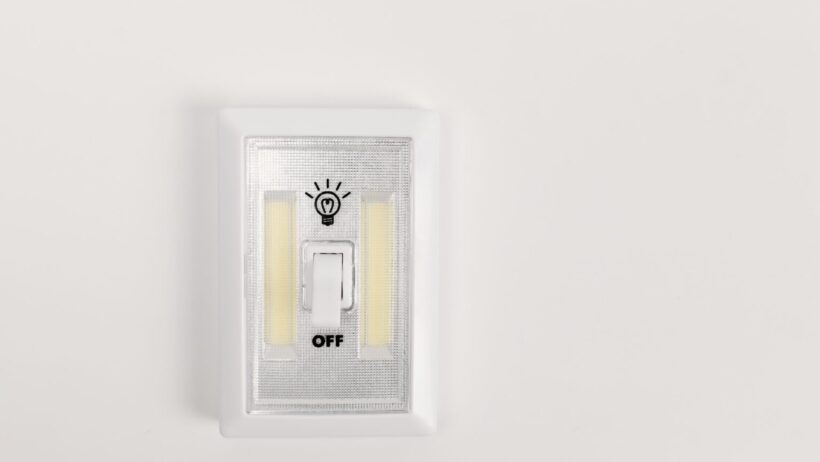

In a world increasingly cognizant of environmental issues, the quest for conserving energy has gained unprecedented prominence. However, many individuals find themselves daunted by the prospect of making significant changes in their daily lives. What if we could embrace simplicity and playfully challenge ourselves to adopt small yet impactful practices? Here are ten everyday activities that require minimal effort but can lead to substantial energy conservation.
Imagine holding an illuminating dialogue about energy and the choices we frequently overlook. Would you be ready to embark on this journey of effortless energy conservation?
1. Harness Natural Light
One of the easiest ways to conserve energy is to opt for natural light whenever possible. During daytime, open your curtains and blinds. Allow sunlight to flow into your living spaces. This simple act not only brightens your home but also reduces reliance on artificial lighting. Why not challenge yourself to spend a day without switching on any lights? Document how much energy you conserve as a result.
2. Employ Energy-Efficient Bulbs
Switching to energy-efficient lighting can yield significant savings. LED bulbs, for instance, consume considerably less power than traditional incandescent bulbs. Although they may have a higher initial price, their longevity and decreased energy consumption lead to savings over time. Consider changing out just one bulb this week. Who knows, after the experiment, you might want to lighten up your whole home!
3. Unplug Devices When Not in Use
Many electronic devices draw power even in standby mode, often referred to as “phantom load.” To avoid this energy drain, unplug devices that are not being used, or utilize power strips that can be switched off when appliances are not in operation. Start with your entertainment center or home office. How many devices can you unplug in a week? The potential energy savings may astonish you.
4. Optimize Your Refrigerator
Your refrigerator is a cornerstone of your kitchen, but it can also be a significant energy consumer. Ensure that it is set to the optimal temperature—around 37°F for the refrigerator and 0°F for the freezer. Moreover, regularly check the door seals for leaks. A faulty seal can lead to a chilled escape of energy. How about setting a reminder to check your fridge settings once a month?
5. Use Cold Water for Laundry
If you habitually wash clothes in hot water, consider making the switch to cold. Modern detergents are formulated to be effective in cold water, reducing the energy required to heat water for laundry. What if you conducted a little experiment and challenged yourself to wash all your clothes in cold water for a month? Record your observations in terms of energy savings!
6. Seal Leaks and Insulate
Air leaks in your home can significantly diminish heating and cooling efficiency, leading to increased energy bills. Caulk windows and doors, and consider adding weather stripping where necessary. These small improvements can create a more comfortable living environment while conserving energy. Why not take a simple tour through your house this weekend, inspecting for drafts? You may be surprised at the energy you can save!
7. Limit Hot Water Use
Hot water is another energy-intensive commodity. Limit your showers to five or ten minutes to save both water and energy. Install low-flow showerheads to enhance efficiency. Try to use your dishwasher more, as it typically uses less water than washing by hand—sometimes even using cold water. Can you commit to reducing your hot water usage for a month? It’s a small challenge with a possible big impact!
8. Mind Your Thermostat
Adjusting your thermostat, even slightly, can lead to enormous energy conservation. In winter, lowering the thermostat by just a couple of degrees, and in summer, raising it, can save you money and energy. A programmed thermostat can optimize heating and cooling based on your schedule. Why not set a slightly different temperature this week and monitor how comfortable—and energy-efficient—you can really be?
9. Replace Old Appliances
Older appliances often consume far more energy than their modern, efficient counterparts. If you have been putting off replacing an outdated fridge or washing machine, it may be time to reconsider. Look for ENERGY STAR certified products which are designed to increase efficiency. How about making a pledge to upgrade one appliance this year? The reduction in energy usage will be worth it.
10. Rethink Your Transportation Choices
Finally, consider your mode of transportation. Whenever possible, choose walking, biking, carpooling, or using public transit over driving alone. Not only does this conserve energy but it also fosters a healthier lifestyle and community spirit. Challenge yourself to use alternative transportation at least once a week. Document your experiences and see how it can transform your energy consumption!
Indeed, adopting these ten practices may seem trivial when viewed in isolation. However, together they can contribute significantly to energy conservation. The power to make a difference lies in our willingness to engage in small, mindful decisions. As you explore these energy-saving endeavors, remember: every little bit counts. How will you transform your energy habits?’