
In the realm of environmental studies, the phenomenon of global warming has emerged as a significant force jeopardizing biodiversity and ecosystem stability. Among the most affected species are sea turtles, whose remarkable biological and ecological characteristics make them a fascinating yet vulnerable subject of study. One of the most startling consequences of climate change is its impact on the gender ratios of these reptiles, a phenomenon that presents critical implications for their future survival. This investigation delves into the intricate relationship between global warming and the gender dichotomy in turtle populations, exploring both the biological underpinnings and the broader ecological ramifications.
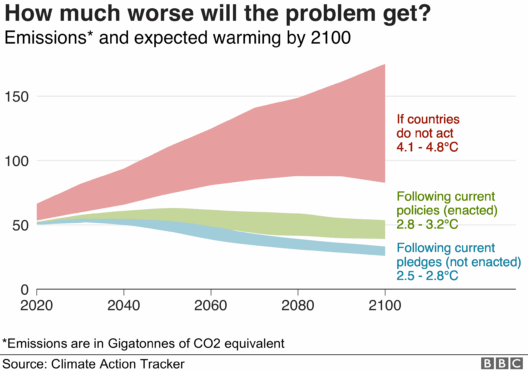
Sea turtles exhibit a unique reproductive strategy known as temperature-dependent sex determination (TSD). In this process, the ambient temperature of the sand where eggs are incubated plays a pivotal role in determining the hatchling’s sex. Warmer temperatures predominantly yield female hatchlings, while cooler conditions favor male progeny. With ongoing climate change driving global temperatures upward, the natural equilibrium of sex ratios is being disrupted. This raises alarm bells, as a skewed gender ratio can precipitate a dramatic decline in turtle populations.
The phenomenon of TSD is particularly pronounced in species such as the green sea turtle and the loggerhead turtle. Research has indicated that in certain nesting grounds, temperatures are rising to levels that could potentially produce nearly all female hatchlings. For instance, in some regions of the world, temperatures have surged to the extent that it has been projected that over 90% of hatchlings are female. This startling imbalance prompts an inquiry into the long-term viability of such populations, where a breeding population devoid of males may face extinction.
Beyond the reproductive implications of gender skew, the ramifications of global warming extend to broader ecological interactions. Sea turtles play critical roles in their ecosystems, serving as herbivores and predators. For example, green turtles, which graze on seagrass, help maintain the health of these underwater meadows, creating habitats that support a plethora of marine life. In contrast, leatherback turtles are key to the regulation of jellyfish populations. The loss of these species not only threatens their conservation status but also disrupts the intricate web of life dependent on their presence.
The existential threat posed by global warming is further compounded by other anthropogenic factors, such as habitat degradation, pollution, and overfishing. Coastal development, for instance, reduces suitable nesting sites, while marine pollution can lead to increased mortality rates among juvenile turtles. When combined with the gender ratio crisis instigated by rising temperatures, these issues create a multifaceted challenge to turtle conservation efforts.
Interestingly, the phenomenon of gender ratio alteration has sparked a deeper intrigue within the scientific community and environmentalists alike. Sea turtles are not merely subjects of ecological interest but emblematic of the broader consequences of human-induced climate change. Their plight serves as a barometer for the health of marine ecosystems, reflecting the interconnectedness of species within these environments. The fascination with sea turtles is therefore rooted not just in their biological uniqueness but also in their role as indicators of environmental change.
The implications of diminishing male populations have led conservationists to advocate for various strategies aimed at mitigating the impact of climate change on turtle gender ratios. Some of these strategies include relocating nests to cooler areas, manipulating nesting conditions, or even implementing artificial incubation technologies that can regulate the temperature during the critical incubation period. Additionally, habitat restoration and protection are essential to ensure that turtles can thrive in safe environments. The establishment of marine protected areas can safeguard nesting sites and help manage human activities that threaten their survival.
Education and public engagement are also vital components of turtle conservation. Raising awareness about the ecological roles and vulnerabilities of these species can inspire a collective commitment to climate action. By fostering a symbiotic relationship between communities and their surrounding environments, particularly in coastal regions, it is possible to cultivate a sense of responsibility that transcends individual interests.
The plight of sea turtles in the face of global warming requires rigorous scientific inquiry and concerted conservation efforts. The intriguing intersection between climate change and gender ratios beckons deeper exploration into the adaptive capacities of these reptiles and the resilience of their ecosystems. Through continued research, innovative conservation strategies, and community involvement, there remains hope for mitigating the adverse effects of climate change. Ultimately, the survival of sea turtles hinges on our ability to address the root causes of global warming and foster an environment conducive to their reproductive success.
In conclusion, the question of whether sea turtles can survive the challenges posed by global warming, particularly concerning gender ratios, remains complex and multifaceted. While the circumstances appear dire, ongoing efforts aimed at understanding and addressing these dynamics can pave the way for a more resilient future for these ancient mariners. The survival of sea turtles is not solely a matter of species conservation; it symbolizes the broader struggle against climate change — a call for humanity to recognize its role in preserving the delicate balances that sustain life on Earth.