
Global warming is akin to a slow, creeping tide that, while initially imperceptible, eventually inundates everything in its path. For children standing at the shore of their future, understanding and acting upon this phenomenon can make a significant difference. Educating young minds about climate change is not merely an academic exercise; it is an urgent call to action that empowers them to be the stewards of their planet. By nurturing their comprehension of global warming, children can evolve from passive observers to active catalysts for change.
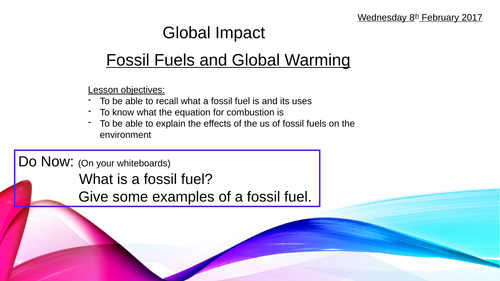
First and foremost, understanding the fundamental science behind global warming is essential. Teaching children about the greenhouse effect is paramount. Imagine the Earth as a cozy blanket, composed of gases such as carbon dioxide and methane. These gases serve to trap heat from the sun, keeping the planet warm—much like a greenhouse. However, human activities, like burning fossil fuels and deforestation, have intensified this natural process, thickening the blanket and causing temperatures to rise. By using engaging analogies, children can grasp the concept better. For example, if they visualize a car with windows rolled up on a sunny day, they can understand how heat is accumulated and how this contributes to climate change.
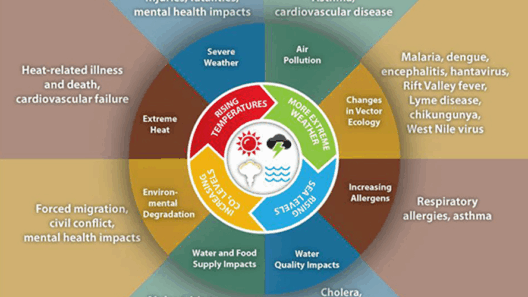
Next comes the importance of recognizing the implications of global warming. The effects are not distant or abstract; they are palpable and, unfortunately, evident in our everyday surroundings. From erratic weather patterns and devastating hurricanes to rising sea levels and melting glaciers, the tangible consequences of climate change are stark. Young learners can be encouraged to observe their local environment. They can witness the changing seasons or unusual weather patterns and ask questions. This curiosity can lead them to connect the dots and realize that their own actions significantly impact the planet.
With knowledge comes responsibility, and children must be armed not just with facts but also with a sense of agency. It is crucial to emphasize that they hold immense power in effecting change. Small actions can lead to monumental outcomes. Simple lifestyle modifications, such as reducing water usage, recycling, and conserving energy, can significantly mitigate their carbon footprint. For instance, a family might implement “no-waste Wednesdays,” where everyone strives to produce no unnecessary trash. Children can lead this initiative, empowering them to inspire family members and peers to participate.
Moreover, education should extend beyond the classroom. Engaging with local communities provides ample opportunities for children to get involved. Schools might organize tree-planting days where students can contribute directly to combating deforestation. Hands-on experiences allow children to feel the soil beneath their fingernails, connecting them to the Earth’s elements in a visceral way. As they plant saplings, they are not just planting trees; they are sowing seeds of hope and responsibility for future generations.
The digital age offers another vital platform for understanding and activism. Children can leverage technology to amplify their voices. Creating blogs or YouTube channels dedicated to discussing climate issues can captivate other youthful minds. For example, a group of friends could create a podcast titled “Earth Warriors,” where they interview local environmentalists, share sustainable tips, and encourage other kids to join in the conversation. Social media can also serve as a powerful tool for awareness. Utilizing platforms like Instagram or TikTok, children can create visually compelling content that resonates with peers and encourages collective action.
Additionally, art can play a transformative role in fostering a deep emotional connection to climate issues. Projects involving painting, drawing, or crafting can symbolize nature’s vibrancy and its vulnerability. Schools could hold art exhibitions themed around climate change, wherein students express their feelings and thoughts through creative mediums. Perhaps a piece could showcase a beautiful tree above water levels rising, creating a captivating paradox that encourages discussion about conservation. This blending of creativity and environmental awareness enables children to connect with the subject on a deeper, emotional level.
Encouraging curiosity about sustainability and innovation is also vital. Children have the potential to be not just followers of change but innovators of solutions. Schools might host “invention conventions” where students can present ideas that mitigate climate change, such as solar-powered devices or new recycling methods. This immersive approach allows young minds to flex their creative muscles while instilling a sense of purpose. As they brainstorm solutions, they can envision a world where their innovations can lead to positive environmental impacts.
Peer mentorship is another effective avenue to bolster understanding and action. Older students can guide younger ones by sharing knowledge, organizing clean-up camps, or mentoring eco-clubs. The camaraderie and collaboration foster a culture of environmental consciousness that spreads like wildfire. This intergenerational learning reinforces the idea that the fight against climate change transcends age—it is a universal mission that unites everyone.
Finally, families and educators must cultivate resilience in children, emphasizing that activism can be an uphill struggle. Teaching them that setbacks may occur, whether as individuals or in broader movements, prepares them for long-term involvement. Encouragement to share feelings of frustration, hope, and triumph reinforces the communal aspects of activism, reminding them they are part of a larger narrative. This emotional toolkit nurtures a generation of environmentalists capable of withstanding the turbulence of a changing world.
In conclusion, kids today are equipped to understand and act on global warming in myriad ways. By fostering curiosity, engaging in community activities, harnessing digital platforms, embracing creativity, and promoting resilient mindsets, young people can not only grasp the complex nuances of climate change but also champion transformative action. The tide of global warming may be rising, but with informed, passionate, and proactive future generations, it can be turned back.