

Global warming is an occurrence that transcends geographical boundaries, altering ecosystems, economies, and the very fabric of societies. It represents not just a challenge, but a profound transformation that could redefine life as we know it. To comprehend the extensive repercussions of global warming, it’s imperative to explore its multifaceted effects: environmental, economic, social, and health-related. Each of these areas is intricately connected, creating a ripple effect that reaches every corner of the globe.
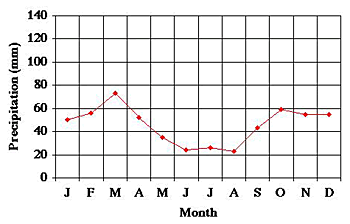
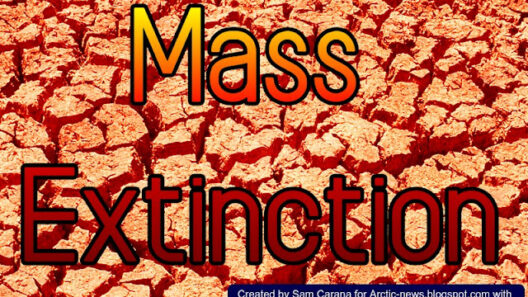
The environment bears the brunt of climate change, where rising temperatures instigate profound shifts in weather patterns. As the Earth’s atmosphere warms, it impacts precipitation levels, resulting in severe droughts in some regions while others experience catastrophic flooding. The intensity and frequency of natural disasters—hurricanes, wildfires, and heatwaves—have escalated, illustrating a desperate cry for immediate action. These climate-induced disasters not only devastate landscapes but also threaten biodiversity, with many species struggling to adapt or migrate in response to these rapid changes.
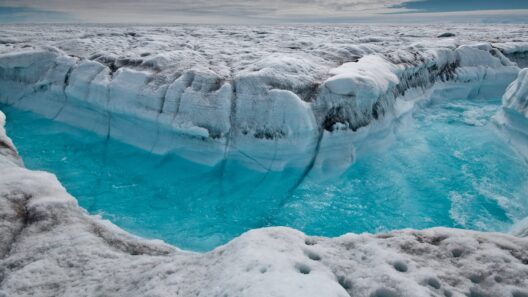
Furthermore, water resources, a fundamental element for life, are being jeopardized. Glacial melt contributes to rising sea levels, which threaten low-lying areas. Contaminated water sources become more commonplace, leading to a potential crisis in global freshwater availability. This could result in conflicts over water and increased pressure on agricultural systems already affected by extreme weather. Hence, the intricate balance of nature is disrupted, indicating that environmental degradation does not happen in isolation; it reverberates across various systems.
Economically, global warming ushers in a cascade of ramifications. Industries such as agriculture and fishing, which heavily rely on stable climatic conditions, face unprecedented uncertainty. Crop yields are thwarted by extremes of heat and moisture, leading to food insecurity. Economic losses projected by agricultural disruptions are staggering, potentially leading to inflated food prices and compromised livelihoods. Moreover, the fishing industry faces a disconcerting future as ocean temperatures rise, affecting fish migration patterns and habitats, endangering both economies and communities dependent on these resources.
In addition, the growing incidence of climate-related disasters necessitates greater investment in disaster relief and resilience strategies, placing an economic burden on governments. Infrastructure—an underpinning of modern civilization—is increasingly at risk from extreme weather events. Coastal cities, particularly, are forced to invest in seawalls, drainage systems, and adaptive urban planning to combat rising sea levels—costs that escalate as the climate crisis deepens.
Socially, the ramifications of global warming cannot be overstated. Vulnerable populations—those in developing nations, the elderly, and the economically disadvantaged—bear the harshest consequences. Climate change acts as a threat multiplier, exacerbating existing inequalities. Displaced persons caused by environmental degradation are an emerging phenomenon known as climate refugees, who are uprooted from their homes, leading to increased tension within and between nations. The strain on social services and infrastructure to accommodate these new populations can amplify unrest, creating an environment ripe for conflict.
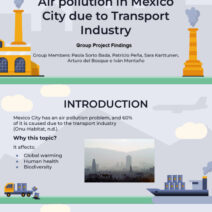
Public health is also inextricably linked to the changes brought on by global warming. The increase in heat-related illnesses during extreme temperature events poses significant risks to public health systems. Vector-borne diseases like malaria and dengue fever are rapidly expanding into formerly temperate regions as warmer climates allow disease-carrying organisms to thrive and proliferate. Additionally, air quality can worsen due to the heightened formation of ground-level ozone during extreme heat, leading to respiratory illnesses and exacerbating existing conditions. The interplay between climate change and health dictates that failure to act on climate issues will subsequently lead to pronounced public health crises.
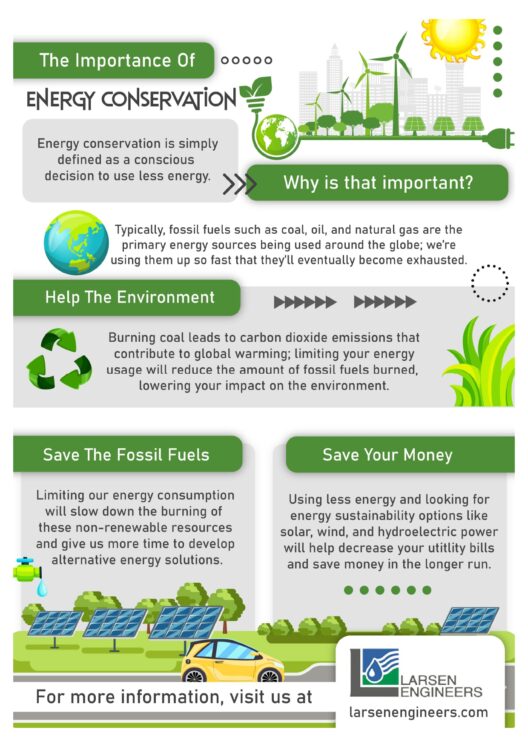
These multifarious effects of global warming necessitate a paradigm shift—a reevaluation of our relationship with the planet. Engaging with climate change requires a collective effort across nations, sectors, and communities. It involves not only the redesign of energy systems to favor renewable sources but also the promotion of sustainable practices in agriculture, construction, and urban planning. Changing the narrative from one of despair to proactive hope is essential; innovative solutions driven by technology and community engagement can mitigate the impacts of climate change.
Additionally, education plays a crucial role in altering public perception. Awareness campaigns can foster a collective consciousness about the importance of sustainability and environmental stewardship, highlighting actionable steps individuals can take to contribute to systemic change. By embracing a culture of sustainability, communities can be empowered to adopt eco-friendly habits, and collectively diminish their carbon footprint. Social media platforms serve as powerful tools to amplify such messages, making climate activism more accessible to the masses.
The urgency of global warming demands immediate attention. Its effects serve as a stark reminder that we are interconnected, and the decisions we make today will inevitably reverberate through time. Recognizing this ripple effect shapes our understanding of global warming—not as a distant threat—but as an immediate call to action that shapes our future. The transformative power of addressing climate change holds the potential to forge resilient, equitable societies poised to thrive amidst uncertainty. The time for awareness and action is now, for in the face of global warming, the fate of the Earth hangs in precarious balance.