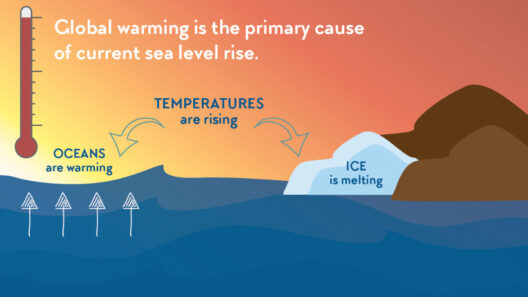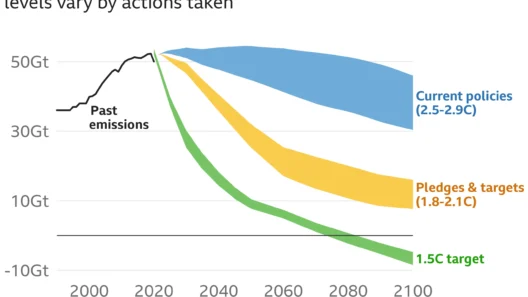

Tea, an ancient beverage steeped in cultural heritage, has been a cornerstone of social gatherings and rituals across the globe. Yet, in recent years, the very essence of tea—its cultivation, production, and consumption—has faced unprecedented challenges due to the relentless advance of climate change. The implications of global warming are far-reaching, threatening not only the livelihoods of tea farmers but also the intricate tapestry of customs that surround this cherished drink. Understanding these impacts is imperative, as they reveal a profound interconnection between climate and culture.
To comprehend the predicament, one must recognize the unique environmental conditions under which tea thrives. Camellia sinensis, the plant species from which all tea is derived, flourishes in specific climatic zones characterized by a delicate balance of temperature, precipitation, and humidity. However, as global temperatures rise, this equilibrium becomes increasingly precarious. Regions that have traditionally been tea-growing hotspots face shifts in weather patterns, leading to altered growing seasons and unpredictable harvests. Such changes not only affect yield but also the quality of the tea itself.
Precipitation patterns are becoming erratic, with some regions experiencing unrelenting droughts while others are deluged with excessive rainfall. Such variability disrupts the conventional cycles of cultivation and harvesting. For instance, dry conditions can impair plant growth and stress the bushes, leading to suboptimal leaves that yield inferior brews. Conversely, excessive rain can lead to waterlogged soils, promoting root rot and fungal diseases. Consequently, tea farmers are grappling with decreased production and diminished quality, fundamentally reshaping the market landscape.
The socio-economic ramifications of these climatic shifts cannot be overstated. Many tea-producing countries, including India, China, and Kenya, rely tremendously on the tea industry as a source of income and employment. With fluctuating yields, farmers find themselves ensnared in a precarious cycle of economic instability. The unpredictability of harvests can lead to food insecurity, particularly in rural areas where alternative livelihoods are scarce. As tea prices rise due to declining supply, the implications trickle down to consumers, ultimately impacting the affordability and accessibility of this beloved beverage.
Moreover, beyond the immediate concerns of production and economics, there exists a profound cultural dimension at risk. Traditional tea ceremonies, longstanding rituals that embody the spirit of communities, face an existential threat as the quality and availability of tea become uncertain. These ceremonies, rich in symbolism and communal ties, might diminish or evolve unrecognizably if the core ingredient—tea—is compromised. Imagine a world where the poignant moments of sharing a cuppa, steeped in history, dissipate into mere memories, replaced by artificial substitutes or low-quality brews.
Another critical concern is the impact of climate change on biodiversity within tea-growing regions. Many tea estates are located in biodiverse environments that harbor unique flora and fauna. As temperatures rise, these ecosystems face the specter of displacement, threatening both wildlife and the delicate balance of the growing environment. Monoculture practices, often adopted by tea plantations to increase yield, further exacerbate the situation. These practices neglect the symbiotic relationships that exist in diverse ecosystems, creating a vicious cycle that diminishes resilience to climate impacts.
The tea industry’s response to these challenges is multi-faceted. Innovative agricultural practices are being explored as a means to bolster resilience against climatic variations. Techniques such as agroforestry, where tea is cultivated alongside various tree species, can enhance biodiversity and improve soil health. Additionally, implementing rainwater harvesting systems may help mitigate the impact of water scarcity, allowing farmers to sustain their crops even during dry spells.
Moreover, embracing technology presents a promising avenue for revitalizing the industry. Advances in precision agriculture, including tools for monitoring soil moisture and weather patterns, equip farmers with data-driven insights to optimize their practices. By leveraging these technologies, tea producers can make informed decisions, ultimately enhancing yield and quality in the face of adversity.
Furthermore, the role of consumers in this evolving narrative cannot be underestimated. A burgeoning awareness of ethical sourcing and sustainability is motivating consumers to seek out teas that are produced in environmentally friendly ways. Supporting brands that prioritize sustainable practices can enable a more resilient tea industry. As informed consumers make conscious choices, they pave the way for a market that values quality and environmental stewardship over mere profit.
As the global tea industry faces its most turbulent chapter, it becomes clear that the challenges posed by climate change are not insurmountable. Through innovation, adaptability, and an unwavering commitment to sustainability, there is an opportunity to redefine the future of tea. Awareness and action are paramount; by understanding the intricate relationships between climate, agriculture, and culture, we can better appreciate the true value of this ancient beverage. The story of tea is one worth preserving—not just for the taste, but for the connections it fosters and the traditions it embodies. Indeed, the time for action is now, lest we find our tea time troubled by the repercussions of a warming planet.