
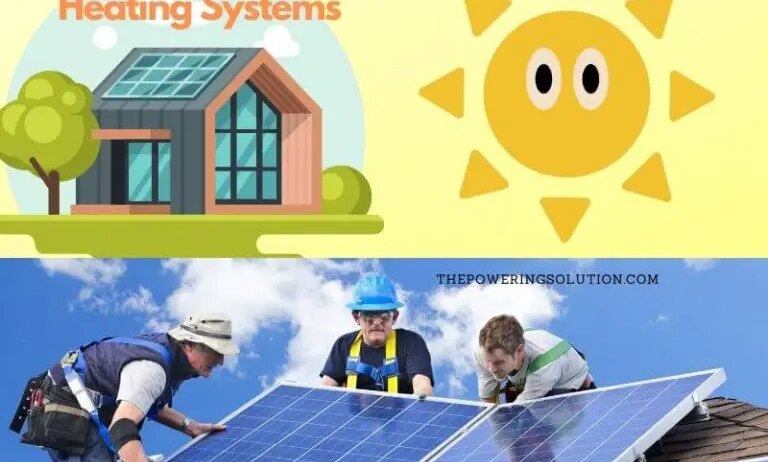

Solar heating systems have garnered increased attention in the quest for sustainable and renewable energy sources. With an emphasis on reducing environmental footprints and capitalizing on free sunlight, these systems offer compelling benefits alongside notable drawbacks. This article delves into four prominent advantages and four significant disadvantages of solar heating systems, providing a comprehensive overview for those considering this energy solution.
Advantages of Solar Heating Systems
1. Environmentally Friendly
One of the most compelling advantages of solar heating systems is their environmentally friendly nature. By harnessing solar energy, these systems significantly reduce dependency on fossil fuels, which are notorious for contributing to greenhouse gas emissions. The combustion of fossil fuels releases carbon dioxide (CO2) and other pollutants that exacerbate climate change. In contrast, solar systems operate with minimal emissions, thereby playing a pivotal role in mitigating environmental degradation and promoting ecological balance.
2. Cost Savings Over Time
Although the initial installation of solar heating systems can be substantial, they often yield considerable long-term savings. Once installed, solar heaters utilize sunlight—an abundant and free resource—to generate heat. Homeowners can experience a notable decrease in utility bills as reliance on traditional energy sources diminishes. Furthermore, various incentives, tax credits, and rebates offered by governments bolster the financial appeal of transitioning to solar energy, making it a prudent financial investment over time.
3. Low Maintenance Requirements
Solar heating systems are renowned for their low maintenance requirements. Unlike conventional heating systems, which require regular servicing and repairs, solar heaters boast a comparatively straightforward operational process. Typically, routine upkeep may involve cleaning the solar panels and ensuring there are no obstructions blocking sunlight. Most solar heating systems are robust and designed to withstand the elements, resulting in a prolonged lifespan that often surpasses traditional heating methods.
4. Energy Independence
The transition to solar heating systems can foster energy independence for individuals and communities alike. By relying on locally sourced solar energy, households can decrease their vulnerability to fluctuating fossil fuel prices and energy supply disruptions. This self-sufficiency becomes especially beneficial in remote or rural areas, where access to conventional energy sources may be limited. Embracing solar energy empowers individuals to take control of their energy usage, paving the way toward a more resilient future.
Disadvantages of Solar Heating Systems
1. Initial Installation Costs
Despite the long-term financial benefits, high initial installation costs pose a significant barrier to many consumers. The price of solar panels, storage systems, and installation can be daunting and may deter potential users. Though prices have been decreasing, the upfront expenses can still challenge individuals or families on tight budgets. For some, financing options may be necessary, which could add to the overall cost through interest rates and fees.
2. Weather Dependence
The efficiency of solar heating systems is closely tied to weather conditions. Areas with consistent sunlight experience optimal performance, while regions plagued by frequent rain, snow, or fog may struggle to harness sufficient energy. This inherent dependence on weather variability can lead to inconsistent energy production, posing challenges for those who rely solely on solar heating systems. For optimal functioning, supplementary energy sources may still be necessary during prolonged periods of inclement weather.
3. Space and Aesthetic Considerations
Another drawback of solar heating systems is the spatial requirements for installation. Solar panels require ample roof space or land to be effective, which can be a limiting factor for urban dwellers or those with smaller properties. Furthermore, the visual impact of solar panels can be a contentious issue; some individuals may find them unsightly or incompatible with their home’s aesthetic. This aversion can hinder adoption rates, as prospective users weigh both practicality and appearance in their decision-making process.
4. Technological Limitations
While solar technology has advanced significantly, there remain certain technological limitations that users must consider. For instance, energy storage solutions, such as batteries, can be expensive and may not be as efficient as desired. The current technology may also pose issues, such as performance drops in colder climates. Additionally, not all solar systems are equipped to provide heating during peak demand periods, which could necessitate the integration of supplementary heating sources in certain scenarios.
In conclusion, solar heating systems present a viable option for sustainable energy production with a myriad of benefits, from environmental friendliness to cost efficiency. However, it is essential to weigh these advantages against the potential drawbacks, such as high installation costs and reliance on weather conditions. As the world increasingly seeks to adopt more sustainable practices, understanding the full spectrum of solar heating systems will be crucial for informed decision-making.