

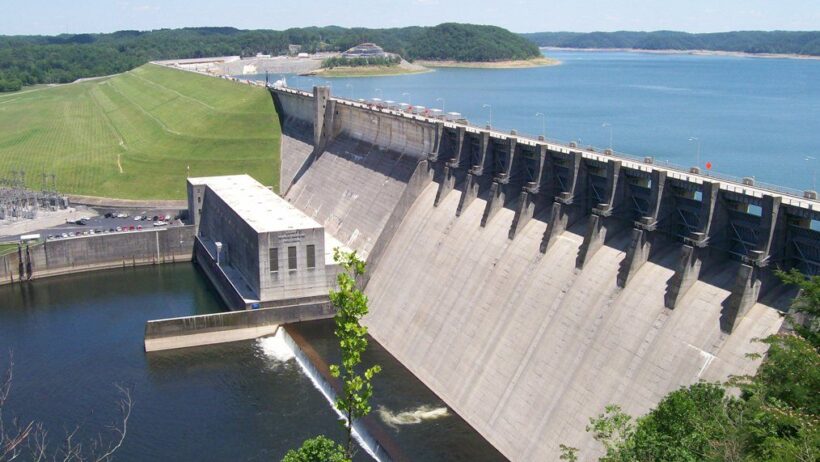

Building a dam evokes a range of emotions and sentiments, from admiration to skepticism. As colossal structures of concrete and steel, dams captivate the imagination, symbolizing human ingenuity and our relentless quest to harness nature’s forces. In this discourse, we delve into the multifaceted benefits of constructing dams, with a keen focus on three pivotal aspects: energy generation, water supply, and flood control. These elements not only serve crucial societal needs but also underline a broader narrative regarding our interaction with environmental challenges.
Energy Generation
The foremost advantage of constructing dams is their capacity to generate hydroelectric power. Hydro power plants convert the kinetic energy of falling water into electricity, thereby presenting a renewable energy source that is both sustainable and efficient. Dams located in strategic geographical locales utilize the gravitational pull of water descending through turbines, which translates into a consistent energy supply that fuels industries, homes, and commerce.
Moreover, hydroelectric power plays a vital role in reducing greenhouse gas emissions. As the world grapples with the impending consequences of climate change, these structures stand as champions of low-carbon energy solutions. Unlike fossil fuels that emit considerable CO2, hydroelectric plants harness natural water flow, yielding a cleaner footprint. It is no wonder that countries with bold ambitions for renewable energy portfolios have ramped up their investments in dam infrastructure.
In regions marked by intermittent power shortages, dams can offer a lifeline. By regulating water flow and maintaining reservoir levels, they provide a buffer against erratic energy demands, ensuring stability in local grids. Furthermore, innovations in dam technology, such as pumped-storage systems, enhance this potential, allowing excess energy to be stored and dispatched when needed. This adaptability not only facilitates energy security but also mitigates the fluctuations that can destabilize economies.
Water Supply
Beyond their role in energy production, dams serve as crucial reservoirs, providing a reliable water supply for various applications. Agriculture, which consumes roughly 70% of the world’s fresh water, regularly relies on dam-stored water to irrigate crops and sustain livestock. This becomes increasingly salient in arid regions where rainfall is scant and water scarcity looms as a dire issue.
Moreover, the capacity to manage water resources effectively can lead to enhanced food security. With predictable water availability, farmers can optimize planting schedules, increase crop yields, and cultivate diverse produce, preventing the ravages of drought that often plague unprotected agricultural zones. As populations soar and climate patterns shift, dams emerge as integral components in balancing human needs and environmental realities.
In addition to agricultural uses, dams are indispensable for municipal water supply systems. They store water during times of abundance, ensuring that cities can access sufficient potable water during dry spells. This dual function of containment and distribution alleviates the pressures on local aquifers, helping to preserve vital groundwater reserves. The synergy between dam management and urban development cultivates resilience in the face of growth and climate unpredictability.
Flood Control
Flooding is a pernicious threat that can wreak havoc on communities, inundating homes, destroying infrastructure, and endangering lives. Dams provide a formidable defense against this natural disaster. By channeling and managing river flows, they mitigate the disastrous impacts of extreme weather events such as heavy rains and snowmelt.
Specifically, dams help to regulate river systems, allowing for controlled releases of water to prevent overflow. This flood control capacity protects nearby populations, preserving not only their homes but also their livelihoods. The catastrophic floods of the past, often resulting in widespread devastation, have served as poignant reminders of the necessity for such protective barriers. To that end, many countries have invested heavily in dam infrastructure to bolster disaster preparedness and mitigate the impacts of climate change—a daunting challenge that looms larger with each passing year.
Furthermore, the associated reservoir created by dam construction leads to the creation of habitats that can foster biodiversity. While some critics argue that dams disrupt ecosystems, strategically placed reservoirs can also serve as recreational areas, offering spaces for fishing, boating, and wildlife observation. Hence, while contemplating the environmental ramifications of dam construction, it is essential to balance developmental objectives with ecological stewardship.
Conclusion
The discussion surrounding the benefits of dams extends beyond mere economics or engineering; it encompasses a deeper examination of our relationship with nature. Dams symbolize our aspirations, commitments, and challenges. They are not merely utilitarian structures but embodiments of our collective journey towards sustainability, resilience, and innovation.
As we forge ahead into an uncertain future punctuated by climatic shifts, the importance of energy generation, water supply, and flood control cannot be overstated. It is paramount to engage in informed discussions about dams, recognizing their multifaceted roles and the meticulous planning required to balance human necessities with environmental ethics. Embracing this complexity allows us to envision a future that deftly intertwines human development with the natural world—an endeavor that is not only worthwhile but necessary for the generations to come.