
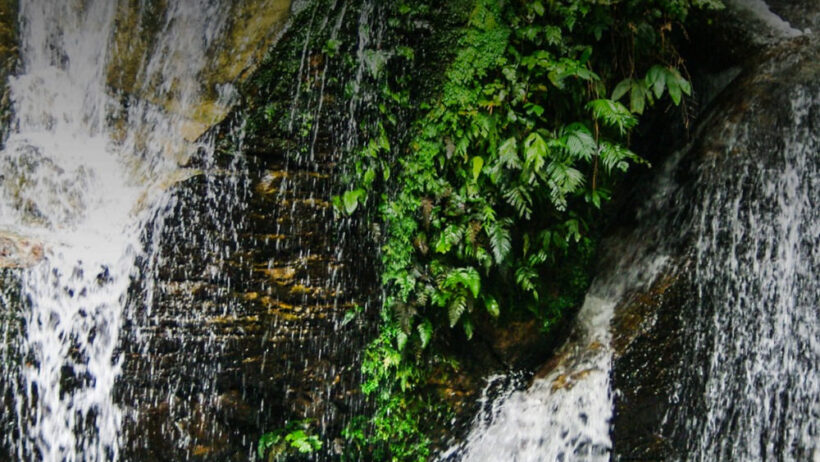

The Amazon Rainforest, often referred to as the “lungs of the Earth,” is an incredible biome teeming with life, mystery, and natural wonders. This majestic forest stretches across an expanse of 5.5 million square kilometers, housing countless species of plants and animals, some of which have yet to be discovered. Here are ten captivating facts about the Amazon Forest that promise to shift your perspective on this breathtaking ecosystem and its wildlife.
1. A Biodiversity Hotspot Like No Other
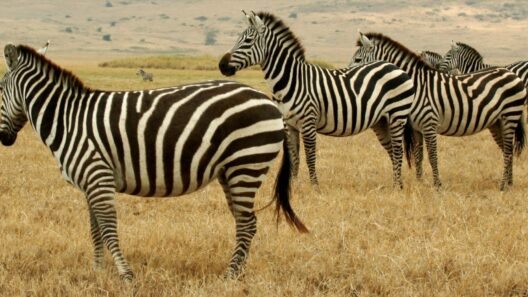
The Amazon Rainforest is home to more species of plants and animals than any other biome on the planet. It boasts an estimated 390 billion individual trees, comprising approximately 16,000 distinct species. The fauna is equally astonishing; over 2.5 million insect species, around 2,000 species of birds and mammals, and more than 400 billion plant species have been documented. Yet, scientists believe that unexplored corners of the forest could be harboring even more undiscovered life forms, making it a treasure trove for ecological researchers.
2. A Vital Carbon Sink
The Amazon plays a crucial role in combating climate change. Acting as a significant carbon sink, it absorbs approximately 1.1 billion tons of CO2 each year. This remarkable ability helps to mitigate the effects of global warming by storing carbon dioxide, which otherwise contributes to greenhouse gas emissions. However, deforestation and climate change are threats to this vital function, emphasizing the need for global awareness and conservation efforts.
3. Indigenous Communities and Ethnobotany
Within the Amazon lies a wealth of traditional knowledge held by over 350 indigenous groups. These communities possess an intricate understanding of their environment, especially regarding the myriad plants found in the forest. Many current pharmaceuticals are derived from Amazonian flora, exemplifying the importance of protecting this invaluable knowledge. Indigenous practices highlight a harmonious relationship with nature, guiding sustainable living amidst the bountiful, yet delicate ecosystem.
4. The Amazon River: A Lifeblood of the Forest
Flowing through the heart of the Amazon is the Amazon River, the second longest river in the world. Spanning about 4,345 miles, it serves as a vital artery for both the wildlife and the communities that inhabit the region. The river and its tributaries are home to an astonishing array of aquatic life, including the notorious piranha and the majestic Amazon river dolphin. The river enriches the forest’s ecosystem, influencing the hydrological cycles and offering sustenance to countless species.
5. A Symphony of Sounds
The Amazon Rainforest is a cacophony of sounds—a natural symphony that begins at dawn and lingers into the night. The forest’s auditory landscape includes the calls of howler monkeys, the rustling of leaves as creatures navigate the underbrush, and the distant songs of numerous birds. This acoustic richness not only enriches our experience but serves ecological functions as well, aiding in communication among animals and leading to enhanced survival strategies through mating calls and territorial warnings.
6. Unique Ecological Niches
The Amazon is characterized by its diverse ecosystems, each with its own unique ecological niches. From the dense, moisture-laden canopy to the sun-drenched forest floor, each stratum of the forest supports distinctive species. For instance, the canopy, often referred to as the “upper realm of the rainforest,” houses birds, monkeys, and numerous insects. In contrast, the understory is home to elusive creatures like jaguars and poison dart frogs. This vertical stratification not only fosters diversity but enhances the intricate food webs, creating a robust ecological community.
7. The Relationship Between Biodiversity and Ecosystem Services
The Amazon’s remarkable biodiversity underpins essential ecosystem services that are vital for both local and global communities. These services include water purification, pollination, and soil fertility enhancement. Plants within the Amazon release oxygen and improve air quality, while the vast networks of roots stabilize the soil, preventing erosion. Conservation of biodiversity is crucial, as losing individual species could severely impact these services, further threatening human survival.
8. The Phenomenon of Amazonian Flora
Among the many wonders of the Amazon are its diverse and often exotic plants. Many species, such as the giant water lily and the kapok tree, exhibit extraordinary adaptations to their environments. Some trees can grow up to 200 feet tall, competing for sunlight by sprouting tall, narrow trunks. Others have evolved unique survival strategies, such as the carnivorous plant species that trap insects to supplement their nutrient intake in nutrient-poor soil.
9. Threats from Deforestation and Climate Change
Despite its beauty and resilience, the Amazon faces daunting threats from human activity, primarily deforestation for agriculture, logging, and infrastructure development. Approximately 17% of the Amazon has been destroyed over the last 50 years, with significant repercussions for global biodiversity and climate stability. Understanding these threats can galvanize collective efforts toward sustainable conservation, allowing us to protect this invaluable resource for future generations.
10. A Call for Global Awareness and Action
Ultimately, the fate of the Amazon Rainforest and its mesmerizing wildlife lies in our hands. Global awareness and immediate action are necessary to safeguard this ecological jewel against the tides of destruction. By advocating for sustainable practices, supporting conservation efforts, and fostering a deeper appreciation for the Amazon, we can help protect this vital ecosystem. The Amazon Rainforest is not just a distant wonder; its fate impacts us all. Embracing this awareness can shift our perspectives and inspire action for a healthier planet.
In conclusion, the Amazon Rainforest is a world of fascination that deserves our utmost respect and protection. By exploring its breathtaking biodiversity and understanding the vital roles it plays in our ecosystem, we can advocate for its preservation and appreciate the intricate connections between humanity and nature.