


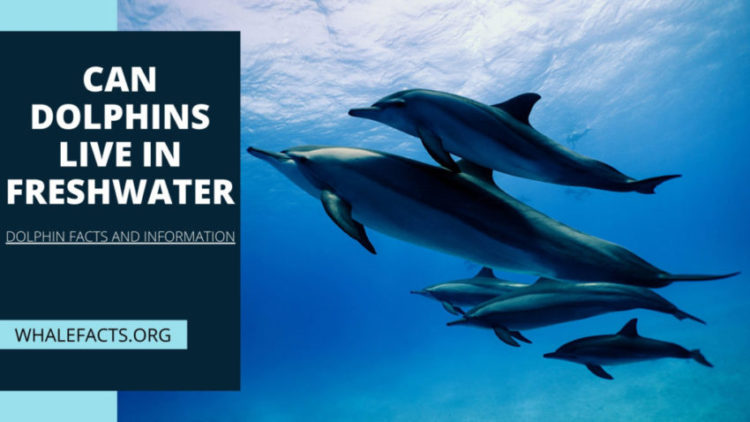

When one envisions dolphins, a picturesque oceanic realm often comes to mind. These charismatic cetaceans, known for their playful antics, intelligence, and sociability, are firmly associated with the saltwaters of our planet’s vast oceans. However, a burgeoning curiosity lingers: can dolphins swim in freshwater? This question opens a gateway to understanding the versatility and adaptability of these marine mammals, along with the ecosystems they inhabit.
To unravel this enigma, it is imperative to delve into the biological and environmental factors influencing dolphin habitation. Primarily, most dolphin species, including the notorious bottlenose and common dolphin, are predominantly marine dwellers. They have evolved over millions of years in saline environments, which shape their physiological needs, habits, and social structures. The saltwater does not merely serve as a home; it is a vital component of their biology, influencing their osmotic balance and overall health.
But there exists an exception to the rule: the intriguing river dolphins. These enigmatic creatures inhabit the freshwater rivers and lakes of South America and Asia, showcasing an exceptional divergence from their oceanic cousins. Pink river dolphins, known as “boto” in Brazil, inhabit the Amazon River, while the Indo-Pacific humpback dolphin graces the estuaries of Southeast Asia. These dolphins exhibit remarkable adaptations to their riverine environments, proving that not all dolphins are chained to the saltwater realms.
In order to comprehend how dolphins can thrive in freshwater, one must explore the biological mechanisms that facilitate this unique habitat requirement. Freshwater presents a distinct challenge; it can lead to osmotic pressure discrepancies that may be detrimental for creatures not adapted to such environments. Yet, river dolphins have developed specialized kidneys that can efficiently manage the excretion of excess water while maintaining the necessary salt concentration in their bodies.
Furthermore, these riverine dwellers exhibit diverse physical adaptations, granting them the ability to maneuver adeptly through complex aquatic landscapes. The boto, for example, possesses a more elongated body and a flexible neck that allows it to navigate through tangled river vegetation. Its echolocation abilities are finely tuned to the murky waters, aiding in locating prey and avoiding obstacles. These adaptations underscore a nimbleness vital for survival in unpredictable environments, thus expanding the mythos of dolphin capabilities.
Transcending physical traits, the lives of river dolphins highlight the impact of their habitats. Unlike oceanic dolphins, which traverse vast expanses, river dolphins often have restricted ranges. This confinement leads to intricate social structures, where familial pods are bound by the familiarity of the shared environment. Social interactions are intense; communication echoes through clicks and whistles unique to their groups, making these freshwater dolphins a testament to the importance of social bonds within constricted habitats.
The adaptive prowess of dolphins to freshwater locales prompts reflections on the broader implications of environmental changes. Rivers, often overlooked in discussions about aquatic ecosystems, are vital to global biodiversity. They are repositories of life that support countless species, including humans. However, many river systems today face insurmountable threats from pollution, climate change, and habitat destruction, leading to an alarming decline in freshwater dolphin populations.
The plight of river dolphins serves as a clarion call for environmental stewardship. Conservation efforts are urgently needed to protect these delicate ecosystems, and by extension, the dolphins that call them home. Initiatives like habitat preservation, pollution control, and community education can empower local populations to appreciate the intrinsic value of their aquatic neighbors. For the knowledge that these creatures can thrive in both salt and freshwater environments underscores an essential message: the health of our planet’s waters directly correlates with the survival of its inhabitants.
Moreover, the story of freshwater dolphins beckons a philosophical inquiry into adaptability and resilience. How do these creatures thrive in an environment starkly different from that of their oceanic relatives? The juxtaposition of river dolphins against traditional marine species challenges our understanding of boundaries—both geographical and ecological. It teaches us that life, in any form, is a chase towards the light, finding ways to adapt and survive in an ever-changing tapestry of conditions.
In conclusion, the question of whether dolphins can swim in freshwater reveals layers of complexity within the natural world. It illustrates the adaptability of species and compels us to re-evaluate the environments we often take for granted. As we continue to explore these issues, the narrative of dolphins transcends mere curiosity; it becomes a powerful reminder of the interconnectedness of life and the pressing necessity for conservation. The enigmatic river dolphins invite us to glimpse a world where resilience flourishes amidst challenges, urging us to protect and cherish the invaluable ecosystems we share.