
Floods are some of nature’s most formidable forces, a quintessential dance between water and land, an intricate ballet of life-giving moisture that can turn into an overwhelming torrent. As they ebb and flow, floods tell tales of resilience and ruin, illuminating the delicate balance of our ecosystem. Here are five intriguing facts about floods and how they form, delving into the depths of their complexity and the interwoven mechanisms behind their occurrence.
1. The Anatomy of a Flood: Understanding the Ingredients
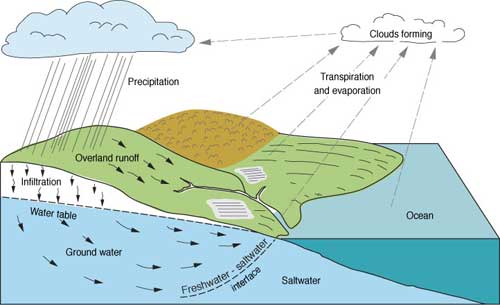
At the heart of every flood lies a combination of meteorological and geological elements, creating a symphony of conditions that pave the way for inundation. Rainfall, though often viewed simply as precipitation, is a pivotal player in this orchestration. When the earth is unable to absorb water due to saturation, drought, or impervious surfaces like asphalt, the landscape transforms into a vessel of chaos. Consequently, water begins to accumulate, swelling rivers, lakes, and sometimes creating reservoirs where there were none before. The convergence of heavy rainfalls, rapid snowmelt, or even dam failures reveals the fragile nature of our hydrological systems.
2. Flood Myths and Realities: Misconceptions Unveiled
In popular culture, floods often evoke images of calamity, a narrative woven into the fabric of folklore and cautionary tales. Yet, amidst the catastrophes, there exists an underlying truth: floods, when managed prudently, can catalyze rejuvenation. Historically, great civilizations have flourished alongside riverbanks enriched by seasonal inundations. The Nile, for instance, sustained ancient Egypt, bringing fertile silt that allowed agriculture to thrive. This reveals the duality of floods; they can destroy as swiftly as they can nourish, a reminder of the powerful hand of nature and our place within it.
3. Flood Varieties: Nature’s Distinct Creations
Not all floods are cut from the same cloth; they encompass a spectrum of forms – from flash floods that strike with alarming immediacy to slow-onset floods that languidly engulf landscapes over time. Flash floods, often a byproduct of intense rainfall, can metamorphose ordinary streams into roaring rivers in the blink of an eye, catching the unprepared off guard. Conversely, the gradual flooding of areas due to persistent rainfall or rising sea levels speaks to a slow-motion crisis, one that lingers and gnaws at communities. Understanding these distinctions is crucial for preparedness, fostering resilience and adaptive strategies in vulnerable regions.
4. The Role of Climate Change: A Modern Catalyst
As the world grapples with the consequences of climate change, the relationship between increasing temperatures and flooding becomes increasingly salient. Neoteric studies indicate that rising global temperatures lead to more intense and frequent precipitation events. Warmer air holds more moisture, leading to dramatic rainfall that can overwhelm the land, akin to a bursting dam. Moreover, the melting polar ice contributes to sea-level rise, encroaching on coastal territories and amplifying the risks of tidal flooding. This evolving landscape necessitates urgent action, as communities worldwide face new perils and realities shaped by the very climate we inhabit.
5. Human Impact: Nature and Nurture in Conflict
While floods are natural phenomena, human activities significantly exacerbate their severity and frequency. Urbanization, with its labyrinth of concrete and steel, disrupts natural drainage systems. Rivers once meandering across landscapes are often channelized, constrained to their banks, leading to an increase in flood risks downstream. Deforestation, too, plays a vital role; trees that would ordinarily absorb and slow rainwater are removed, paving the way for quicker runoff into waterways. Lamentably, the symbiotic relationship between humanity and nature has tilted towards imbalance, blurring the lines between natural disaster and human-induced calamity. However, it is within our power to change this narrative, promoting sustainable practices that respect and restore the environment.
Floods present a compelling paradox, a powerful reminder of nature’s prowess and an enduring challenge posed to society. From the integration of advanced technology in flood forecasting to the embrace of green infrastructure that enhances natural drainage, the path to mitigating flood risks is multifaceted. Each flood tells a story; the stories of places, people, and ecosystems interlinked in a vast web of cause and effect. As we navigate through our evolving relationship with the environment, understanding these remarkable phenomena is crucial. With knowledge comes power, and through collective action, we can create a safer, more sustainable world that not only respects the dynamics of nature but also shows equity in the face of adversity.