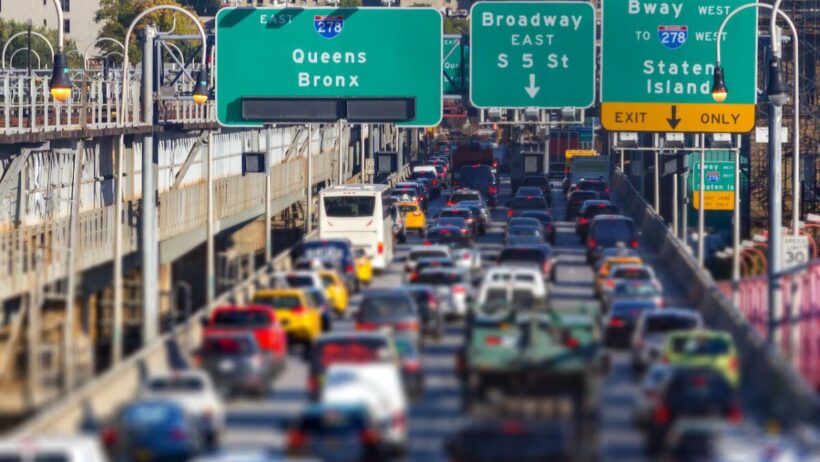

In our increasingly urbanized world, traffic congestion represents one of the most palpable indicators of a city’s infrastructural challenges. As populations swell and vehicle ownership continues to rise, certain cities have emerged as infamous representatives of gridlock, losing precious hours to traffic grime. Below, we delve into the cities ranked among the world’s worst for traffic congestion, shedding light on the socioeconomic ramifications, environmental concerns, and potential solutions facing these urban landscapes.
To frame the discussion, it’s important to contextualize what constitutes “worst traffic.” Factors such as average time spent in traffic, the frequency of traffic jams, and the overall strain on public transport systems factor into these rankings.
1. Los Angeles, United States
Known for its sprawling freeway system and car-centric culture, Los Angeles consistently ranks among the worst in terms of traffic congestion. Commuters can endure average delays exceeding 100 hours per year. The city’s reliance on automobiles is deeply ingrained, leading to air quality deterioration and increased greenhouse gas emissions. Despite initiatives aimed at enhancing public transit, the city remains entangled in vehicular dependence.
2. Bangkok, Thailand
Bangkok showcases a vibrant but chaotic blend of conundrums; its roadways are perpetually choked with an increasing volume of motorbikes and cars. The repercussions of this congestion extend beyond the inconvenience of a lengthy commute, resulting in significant urban pollution. The city’s infamous traffic jams lead to vehicular emissions that compromise air quality, urging calls for more sustainable transportation alternatives.
3. Jakarta, Indonesia
With an exploding population exceeding 10 million, Jakarta suffers from some of the worst congestion globally. The lack of effective public transport infrastructure exacerbates the problem, forcing residents to grapple with extended travel times, frequently exceeding 100 hours annually. Urban planners must navigate the delicate balance of infrastructural development while addressing the environmental concerns intertwined with relentless traffic jams.
4. Mexico City, Mexico
This bustling metropolis features a labyrinthine network of roads that are notoriously congested, often leading to gridlock. Its topography, combined with high pollution levels, poses significant challenges to urban planning. Innovations in public transport, such as the Metro system, have been introduced, yet the enormity of traffic continues to stymie progress in creating a fluid urban movement.
5. São Paulo, Brazil
Often dubbed the economic engine of Brazil, São Paulo grapples with extensive traffic woes, validating its reputation as one of the world’s most congested cities. The challenges here are compounded by socio-economic disparities, with many public transit systems lacking adequate coverage. The city has seen initiatives to promote cycling and alternative transit options, but the roadways still remain a testing ground for improvement.
6. Manila, Philippines
In Manila, the confluence of rapid urbanization and limited infrastructure has led to severe traffic congestion. The streets are crammed with vehicles, and public transport systems struggle to accommodate the demands of commuters. The environmental implications are disconcerting, leading to an immediate need for innovative solutions to alleviate the pressures imposed on infrastructure and natural resources.
7. Moscow, Russia
The Russian capital manifests congestion challenges unique to its geographical and climatic conditions. Traffic jams plague the sprawling city, leading to extraordinary delays during peak hours. The interplay of cold winters and extensive road networks makes the situation particularly challenging. Public investments in transport infrastructure are paramount for reducing traffic-induced stress on urban residents.
8. Istanbul, Turkey
This historic city, which straddles Europe and Asia, faces a distinct set of traffic challenges. The city’s layout, characterized by narrow streets and aging infrastructure, compounds congestion issues, especially during the tourist season. Heavy reliance on automobiles has contributed to substantial air pollution, necessitating the urgent need for enhanced public transit solutions.
9. Mumbai, India
The city of Mumbai provides an example of how rapid population growth intersects with inadequate infrastructure. Traffic congestion is exacerbated during the monsoon season, with flooded roads causing additional delays. The struggle for commuters to navigate the chaotic streets is emblematic of broader urban challenges, emphasizing the necessity for sustainable urban planning solutions tailored to the needs of a diverse population.
10. Beirut, Lebanon
Beirut’s roadways reflect a city recovering from years of conflict, where the infrastructure development has often lagged behind population growth. Traffic congestion has become emblematic of the socio-political challenges it faces, with an overwhelmed public transport system pushing citizens toward greater automobile dependence. Addressing these issues requires innovative policy responses to improve urban mobility sustainably.
As we reflect on these urban landscapes plagued by traffic, it becomes glaringly apparent that the consequences of congestion reverberate beyond just the inconvenience experienced by commuters. Traffic pollution contributes to a host of environmental issues, affecting air quality and public health. The socio-economic factors entangled in urban mobility must be addressed holistically, encouraging a shift toward more sustainable transport alternatives.
Implementing enhanced public transport systems, promoting cycling initiatives, and encouraging carpooling can collectively mitigate the extent of gridlock in these cities. As urban dwellers grapple with the daily frustrations of traffic, the onus lies on policymakers and community leaders to design smart, environmentally-conscious strategies that facilitate smoother urban transit. Through concerted efforts and innovative planning, it is indeed possible to reclaim the streets from the clutches of congestion, ultimately improving the quality of life for millions.