


In modern society, agriculture has evolved into a multifaceted enterprise, interwoven with aspects of technology, economics, and environmental considerations. This transformation, while necessitated by the growing global population, has elicited a myriad of advantages and disadvantages that fuel ongoing debates around food production, sustainability, and the future of farming. This article delves into the notable benefits and drawbacks of contemporary agricultural practices, illustrating the complexities inherent in feeding the world.
One of the primary advantages of modern agriculture lies in its capacity to enhance productivity. Through the integration of advanced machinery, genetically modified organisms (GMOs), and precision farming techniques, farmers can cultivate larger areas with greater efficiency. The advent of tractors, drones, and automated irrigation systems has revolutionized traditional practices, allowing for meticulous management of crops. The result is a substantial increase in yield per acre, mitigating the issues of food scarcity and enabling a steady supply of produce to meet consumer demands.
Moreover, technological advancements in agriculture have ushered in an era of reduced labor requirements. Mechanization has alleviated labor shortages, a pressing concern for many regions. As fewer hands are needed for various farming tasks, such as planting and harvesting, the reliance on seasonal laborers diminishes, which can enhance efficiency and reduce operational costs. This shift has also led to the emergence of rural development initiatives, where technology serves as a catalyst for economic growth in previously underserved communities.
In addition to increased efficiency, modern agriculture promotes sustainability through innovative practices such as crop rotation and integrated pest management. These methodologies encourage biodiversity, enriching soil health and reducing the dependency on harmful chemicals. Furthermore, sustainable practices can help combat climate change by sequestering carbon in soils and reducing greenhouse gas emissions associated with conventional farming. Overall, modern agricultural practices can play a pivotal role in creating resilient ecosystems.
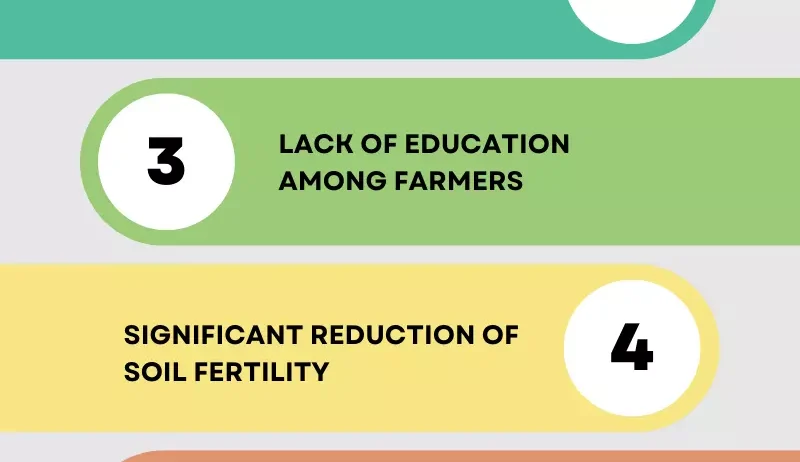
However, despite these advantages, the era of modern agriculture is not without significant disadvantages. One prominent concern is the environmental impact stemming from industrial farming practices. The heavy use of fertilizers and pesticides, while boosting yields, has led to soil degradation and water pollution. Chemical runoff from farms can contaminate local waterways, leading to biodiversity loss and detrimental effects on aquatic ecosystems. As such, the very innovations that drive productivity are also contributing to environmental degradation.
Another critical issue is the sociocultural ramifications of modern agriculture. The rise of large agribusiness corporations often results in the marginalization of small-scale farmers who struggle to compete with industrialized farming operations. This imbalance can engender food deserts in vulnerable communities, where access to fresh produce is limited. Additionally, the consolidation of food production in the hands of a few corporations raises concerns regarding food sovereignty and the autonomy of local populations over their agricultural systems.
Furthermore, while technology serves to mitigate some labor shortages, it also engenders new challenges related to unemployment and economic disparity. The automation of farming tasks threatens traditional agricultural professions, potentially displacing countless workers. As people turn to urban areas for employment, rural communities face diminishing economic vitality. Striking a balance between innovation and job preservation remains an essential conversation in agrarian policy discussions.
Health implications associated with modern agricultural practices cannot be overlooked. The extensive application of chemicals can lead to residues in food products, prompting growing concerns regarding human health. Pesticides have been linked to various health issues, including neurological disorders and endocrine disruption. Consumers are increasingly advocating for transparency in food sourcing, demanding organic and responsibly grown produce to mitigate the impacts of industrial agriculture on their well-being.
Moreover, the reliance on monoculture—a practice where a single crop variety is cultivated over extensive land—is a glaring disadvantage. While it may simplify farming processes, it fosters vulnerabilities in the food supply chain. Monocultures are more susceptible to pests and diseases, which can result in catastrophic crop failures. This lack of diversity not only jeopardizes food security but also threatens the resilience of ecosystems, presenting a precarious trade-off in the pursuit of high yield.
In addressing the dichotomy of agricultural practices in modern society, it becomes evident that a sustainable path forward will necessitate a profound reevaluation of current methodologies. Blending technological advancements with sustainable practices is paramount. Agroecological approaches that consider local environments, promote crop diversity, and value traditional farming knowledge can offer a pathway to reconcile productivity with ecological stewardship.
The discourse surrounding the advantages and disadvantages of modern agriculture is ceaselessly evolving, reflecting societal values and priorities. The multifarious benefits—such as increased productivity and advances in sustainability—must be tempered by an acute awareness of the environmental, social, and health implications. By fostering a holistic understanding of the agricultural landscape, society may pave the way toward innovative solutions that honor both the necessities of food production and the imperative to nurture our fragile planet.
Ultimately, as the global population continues to grow, the imperative for responsible agriculture becomes ever more pressing. The stakes are high, and the choices made today will reverberate through generations. The intersection of agriculture and society is a crucible for change and a beacon for hope, where the pursuit of innovations must harmoniously coexist with the preservation of our ecosystems and the well-being of communities around the world.