
Tropical rainforests, often dubbed the “lungs of the Earth,” are teeming with life and bathed in a verdant splendor that captivates the senses. The symphony of colors, fragrances, and sounds creates an enchanting ecosystem that simultaneously supports an incredible variety of flora and fauna. Among the myriad plants that thrive in this humid, sun-drenched biome, several species stand out due to their unique characteristics and ecological roles. Below is a detailed exploration of some common plants found in tropical rainforests, complete with vivid imagery to inspire admiration and understanding.
1. The Majestic Kapok Tree (Ceiba pentandra)
The Kapok tree towers above the forest canopy, reaching heights of over 200 feet. With its immense girth and wide, spreading branches, this tree provides critical habitat for countless species, including birds, monkeys, and insects. Its distinctive, broad buttresses offer stability and support, anchoring the tree in the often unstable, waterlogged soil of the rainforest.

Aside from its ecological significance, the Kapok tree has been revered culturally. Indigenous peoples utilize its fibers for insulation and buoyancy. Remarkably, the seeds of the Kapok produce an oil that’s employed in cooking and traditional medicine, revealing the multifaceted value of this giant.
2. Lush Heliconias (Heliconia spp.)
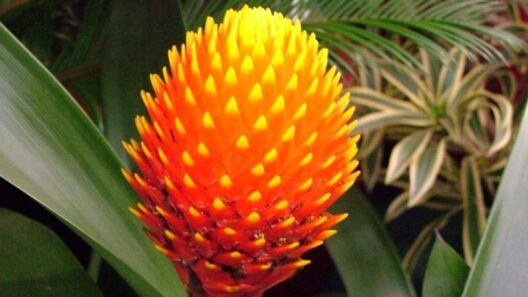
Heliconias, often mistaken for orchids, present an exotic array of colors and shapes. The waxy, brightly-colored bracts of these plants attract pollinators like hummingbirds, demonstrating the intricate relationships between flora and fauna. The bold foliage gleams in the sunlight, creating a vivid contrast with the emerald understory.
These plants have adapted beautifully to their environment, flourishing in the humid, shaded undergrowth while providing a crucial resource for nectar-feeding birds. Their structure resembles that of a torch, aptly reflecting their common name: “lobster-claw.”
3. The Extraordinary Rubber Tree (Hevea brasiliensis)
In the context of human impact, the Rubber tree holds considerable importance. Harvested for its latex sap, this tree contributes significantly to the global economy. Native to the Amazon rainforest, its cultivation has influenced both the environment and societal structures for centuries.
Rubber trees can grow to majestic heights and can live for over 100 years. Their leaves form a dense canopy that helps regulate the ecosystem’s humidity. However, the intensive farming of rubber impacts biodiversity, as vast tracts of rainforest are replaced with monoculture plantations. This tension illustrates the complexity and often contradictory nature of our relationship with nature.
4. Epiphytic Orchids (Orchidaceae)
Orchids are some of the most diverse and adorned plants within tropical rainforests. With their myriad shapes and vibrant colors, they enchant both casual observers and botanists alike. Epiphytic orchids grow on other plants, deriving moisture and nutrients from the air and rain rather than soil, showcasing nature’s adaptability.
These exquisite flowers engage in complex symbiotic relationships with fungi in the soil, aiding in nutrient absorption. Their delicate beauty not only attracts pollinators but also prompts awe among rainforest visitors, as they dangle from branches like jewels hidden in the foliage.
5. Stalwart Ferns (Polypodiaceae)
Ferns are both ancient and diverse, occupying varied niches within the rainforest ecosystem. Their fronds unfurl in dynamic spirals, creating a lush and inviting landscape. Thriving in shaded areas, ferns like the Bird’s Nest Fern provide ground cover that prevents soil erosion, thus maintaining the integrity of the fragile ecosystem.
These plants also offer habitats for smaller organisms and play a role in the water cycle by trapping moisture in their leaves. This symbiosis is crucial, especially in an ecosystem that relies heavily on precipitation.
6. The Towering Strangler Fig (Ficus spp.)
Strangler figs portray one of nature’s most remarkable survival strategies. Starting life as a seed lodged in the crevices of another tree, it sends roots downward that envelop the host over time, often leading to its demise. This parasitic relationship highlights the complexities of survival in the tropical rainforest.
Eventually, the Strangler Fig matures, creating a hollow trunk that can house various life forms. The fig’s fruit attracts wildlife, offering sustenance amid the competition, underscoring the interconnectedness of rainforest inhabitants.
7. Palms of Paradise (Arecaceae)
Palms are another defining feature of tropical rainforests. Their graceful fronds can be seen swaying gently in the balmy breezes, creating a quintessential tropical atmosphere. Among these, the Oil Palm (Elaeis guineensis) is particularly noteworthy due to its economic significance and environmental impact.
While providing food sources and materials for countless products, the large-scale farming of oil palms has raised concerns regarding deforestation and habitat loss. Advocating for sustainable practices is critical in preserving the balance between human need and ecological preservation.
Conclusion
Tropical rainforests embody a rich tapestry of life, flourishing through symbiotic relationships and adaptations that sustain their biodiversity. The plants outlined herein illustrate not only nature’s rugged resilience but also the fragile balance that allows these ecosystems to thrive. As human influence continues to expand, the challenge lies in fostering an understanding and respect for the intricate web of life inherent in these captivating yet vulnerable habitats. By cherishing these remarkable plants, we can strive to ensure that future generations inherit the vividness and vitality of tropical rainforests.