


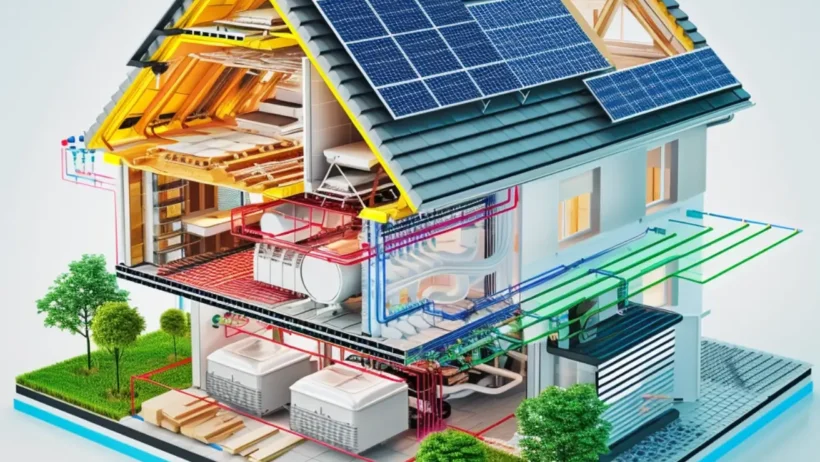

Solar energy has been lauded as a panacea for our world’s escalating energy concerns. Providing an alternative to fossil fuels, it promises a cleaner, renewable source of power. However, a notable disadvantage of solar energy is the need for energy storage. While solar panels can generate electricity during daylight hours, their intermittent nature necessitates systems to store the excess energy for later use. This reliance on energy storage introduces a plethora of challenges and complexities.
At the core of this issue lies the unpredictable nature of solar energy production. Solar power generation peaks during sunny days, but energy demands often do not align with these peak production hours. Power consumption fluctuates throughout the day and is usually highest in the early morning or late afternoon, when solar generation may be low. This misalignment creates a compelling argument for energy storage solutions that can bridge the gap between generation and consumption.
One of the primary methods of energy storage is through battery systems. These systems capture excess electricity generated during peak sunlight hours and release it during periods of low solar output. However, solar battery technology is still in its nascent stage. Most solar batteries include lithium-ion technology, which can be expensive and resource-intensive to produce. The extraction of lithium and cobalt, essential components of these batteries, can lead to significant environmental degradation. Mining practices often result in habitat destruction, water pollution, and adverse effects on local communities, thus negating some of the environmental benefits of solar energy itself.
Moreover, battery storage solutions face limitations in terms of battery lifespan and degradation. Over time, the efficiency of chemical batteries diminishes, leading to decreased performance and a requirement for replacement. This necessity can lead to increased costs for homeowners and can also contribute to electronic waste—a growing environmental issue. An accumulation of discarded batteries can burden landfills, where their hazardous components pose risks to soil and groundwater.
In addition to batteries, other energy storage technologies exist, such as pumped hydro storage, flywheels, and compressed air energy storage (CAES). Pumped hydro storage is the most widely implemented method but relies on suitable topography and water resources. This limits its applicability, especially in arid regions where water conservation is critical. Flywheels store energy mechanically and offer quick discharge capabilities, yet their scalability remains a challenge and can be less efficient than other methods. Similarly, CAES systems, which use air compression to store energy, often require significant infrastructure investments and can also be hampered by geographical constraints.
Furthermore, the installation of energy storage systems adds complexity to solar energy projects. Homeowners and businesses must assess their individual energy needs, consider system compatibility, and navigate the intricacies of installation and maintenance. The financial investment required for energy storage can dissuade potential solar power adopters, particularly in regions with limited government incentives or rebates. This financial barrier can create an unintended diversion away from solar energy adoption, as many individuals still view solar panels as a luxury rather than a viable investment.
In regions where solar energy has been effectively harnessed, a common response to these challenges has been the integration of grid management systems. Smart grids can enhance the efficiency of energy use by distributing power based on real-time demands. Despite their potential, these systems often necessitate substantial upfront investments and ongoing maintenance costs that can be prohibitive. Not all utilities have the resources or willingness to adopt such advanced technologies.
Moreover, the environmental implications of energy storage are not merely limited to the materials involved in battery production. The need for a reliable and resilient energy storage system can lead to increased fossil fuel consumption during extreme weather events. For instance, when solar generation falters due to inclement weather, utilities may rely on fossil fuel-powered plants to fill the void. This reliance can contribute to greenhouse gas emissions, thus undermining the overarching goal of transitioning to renewable energy sources.
Additionally, the issue of energy equity must be considered when discussing solar energy storage. Wealthier communities may have the means to invest in energy storage technologies, while low-income households could struggle to adapt to the costs associated with installing and maintaining these systems. As a result, the transition to solar energy can inadvertently create disparities in energy access and quality, further entrenching existing social and economic divides.
While the advantages of solar energy are manifold, the challenges posed by energy storage cannot be overlooked. As technologies evolve and economies of scale improve, the future may hold promise for more efficient, affordable, and sustainable energy storage solutions. Until then, the need for energy storage remains a significant disadvantage that must be navigated thoughtfully. The path forward involves not merely technological solutions but also a broader societal commitment to addressing the complexities intertwined with this shift in energy paradigms.
In conclusion, the journey toward enhanced solar energy utilization must acknowledge the need for energy storage and the multifaceted challenges it presents. With concerted efforts in research, development, and policy, there exists a possibility to ameliorate these disadvantages, ensuring that solar energy can fulfill its promise as a cornerstone of a sustainable energy future.