


Coal energy has long been a cornerstone of industrial progress, powering factories, homes, and economies with its concentrated energy yield. However, as society evolves and environmental consciousness rises, it’s crucial to scrutinize both the advantages and disadvantages of this traditional energy source. The objective remains to foster a comprehensive understanding of coal energy’s intricate dynamics.
Advantages of Coal Energy
Coal energy offers several pragmatic benefits, which have rendered it a popular choice for energy production, particularly in developing nations.
1. Abundant Resource: One of coal’s most significant advantages is its abundance. Reserves of coal are plentiful across the globe, with vast deposits concentrated in countries such as the United States, China, and India. This widespread availability has contributed to its longevity as an energy source. In many regions, coal is an easily accessible fuel that does not necessitate extensive imports, thereby enhancing energy security.
2. Cost-Effective Energy Production: Economically, coal remains one of the most cost-effective sources of energy generation. The infrastructure for coal extraction and combustion is well-established, allowing for efficiency in production. Moreover, the technological advancements in coal power plants, including efficiency upgrades, have progressively reduced the cost per watt of energy produced.
3. Job Creation: The coal industry provides a substantial number of jobs, particularly in mining, transportation, and energy generation sectors. Employment opportunities in coal-rich regions can help stimulate local economies. Workers skilled in extraction processes and machinery operation contribute significantly to community livelihoods.
4. Base Load Energy Generation: Coal-fired power plants operate consistently and can generate base load electricity—meaning that they are reliable fixtures in the energy grid. This is critical for maintaining a stable supply of energy, particularly in regions where renewable sources might be intermittent. Unlike solar or wind energy, coal can supply continuous power whenever demanded.
Disadvantages of Coal Energy
Despite its many advantages, coal energy is fraught with considerable drawbacks that raise concerns about its sustainability and environmental impact.
1. Environmental Degradation: The extraction and burning of coal result in significant environmental degradation. Mining operations can devastate landscapes, destroy habitats, and pollute water bodies. The process of mountaintop removal, for example, has been criticized for its catastrophic impact on ecosystems.
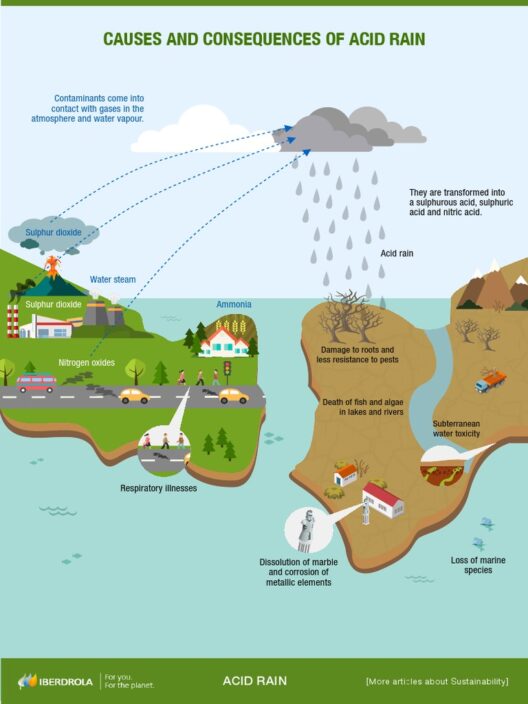
2. Air Pollution: The combustion of coal emits a plethora of noxious gases—including sulfur dioxide, nitrogen oxides, and particulate matter—that contribute to air pollution. These emissions are linked to respiratory diseases, cardiovascular problems, and even premature death. Coal plants are also a major source of carbon dioxide, a principal greenhouse gas driving climate change.
3. Climate Change: Coal’s role in exacerbating climate issues cannot be overstated. As one of the dirtiest fossil fuels in terms of carbon emissions, coal burning is a significant contributor to global warming. The energy sector is under increasing pressure to transition towards cleaner sources to meet international climate agreements, leaving coal as a contentious component of energy policy discussions.
4. Resource Depletion: Despite its abundance, coal is still a finite resource that will eventually be depleted. The continued reliance on coal may lead to a scenario where countries face shortages or price spikes as easily accessible reserves dwindle. Shifting towards more sustainable energy practices is crucial for ensuring long-term energy security.
5. Health Hazards: Coal mining and combustion pose considerable health risks to workers and nearby communities. Miners are susceptible to respiratory illnesses like black lung disease, while residents near coal power plants face increased health risks from pollutants. These factors raise ethical questions about the prioritization of economic benefit over public health.
Future of Coal Energy
As the discourse on energy continues to evolve, the future of coal energy remains in flux. With burgeoning advancements in renewable energy technologies, such as solar, wind, and hydroelectric power, the viability of coal is increasingly under scrutiny. Governments worldwide are investing in cleaner energy alternatives and are exploring options such as carbon capture and storage (CCS) to mitigate some of coal’s detrimental impacts.
However, transitioning away from coal is complex. Political, economic, and social factors influence how swiftly nations can shift their energy portfolios. To navigate this transition, it becomes imperative to seek balanced approaches that acknowledge the realities of coal energy while promoting sustainable alternatives.
Conclusion
In summary, the advantages and disadvantages of coal energy paint a multifaceted picture. While coal has profoundly influenced economic development and energy availability, its environmental and health repercussions are igniting a necessary reevaluation of its role in modern energy systems. As technology advances and societal values shift, the future of coal remains uncertain—shaping how communities, policymakers, and industries will navigate the delicate balance between energy needs and environmental stewardship.